Awa Yusan-bako Tiered Wooden Picnic Box: Tokushima’s Spring Craft [2026]
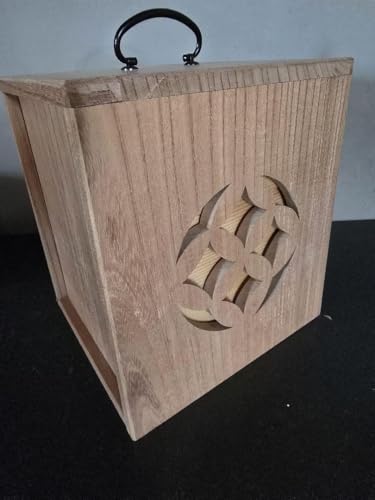
A hand-painted three-tier lacquered box that Tokushima children once carried on spring hillside outings — Awa sashimono joinery…
A hand-painted three-tier lacquered box that Tokushima children once carried on spring hillside outings — Awa sashimono joinery…
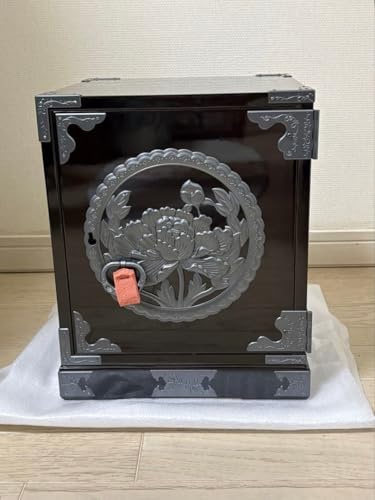
A small Sendai Tansu chest in zelkova wood, finished with kijiro-nuri grain-revealing lacquer and hand-forged iron hardware —…
A bare tochi-wood bowl from Higashi-Omi, cradle of Japan's kijishi woodturners since Prince Koretaka's age—spun on the rokuro…
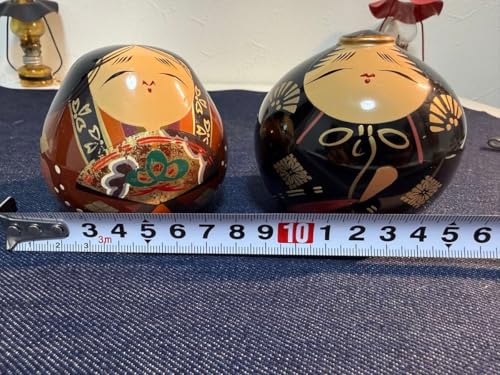
Turned-wood folk dolls finished in vermilion Ouchi-nuri lacquer, Ouchi ningyo were born when the Ouchi clan made Yamaguchi…
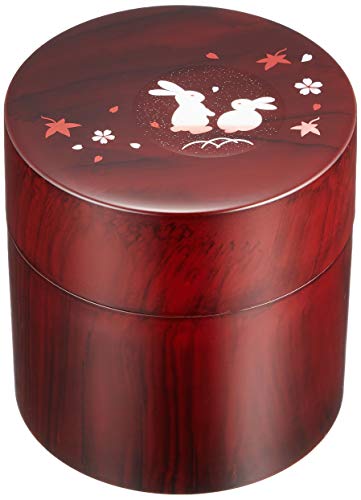
From Ishikawa's Yamanaka Onsen, home to Japan's finest woodturning, a bare zelkova tea caddy with hairline thread-rings cut…
Hand-carved in Takamatsu, Sanuki Ittobori shapes wood with bold single-knife facets and bright mineral pigments. Here's where to…
Hand-turned wooden tops from Edo-era Hakata, banded in bright lacquer and balanced on an iron tip — a…
Hand-woven from highland madake bamboo in Maniwa, Okayama, the Katsuyama Takezaiku zaru is a sturdy kitchen draining colander…
Echizen Tansu joins Fukui zelkova and paulownia joinery with hand-forged iron fittings from the same blacksmith town that…
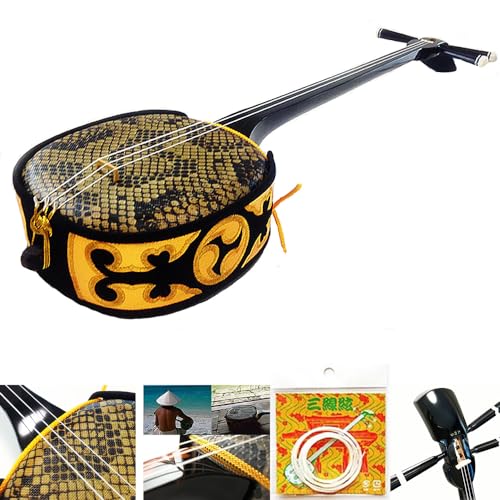
The sanshin is Okinawa's three-stringed lute, its neck carved from dense kuruchi ebony and its voice born in…
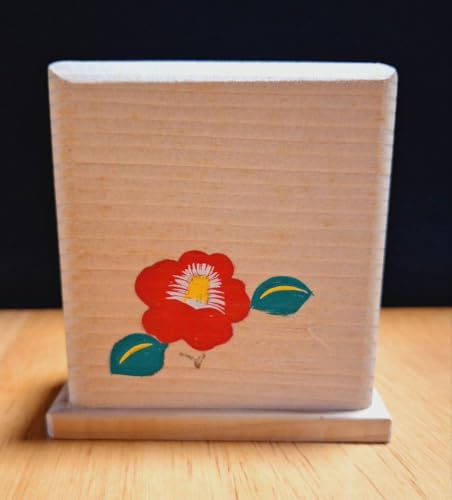
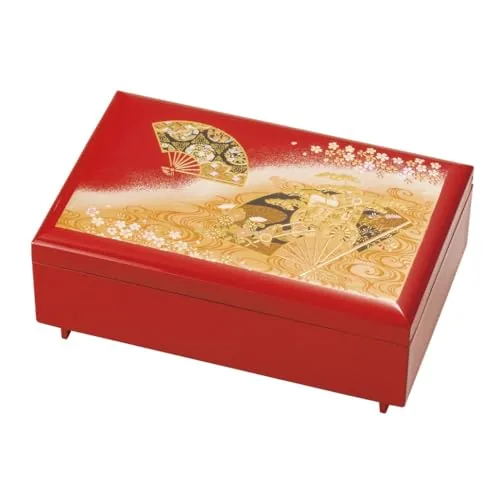
A hand-painted box from Hitoyoshi in Kumamoto's Kuma valley, the Hanatebako carries bold camellia motifs and an eight-century…
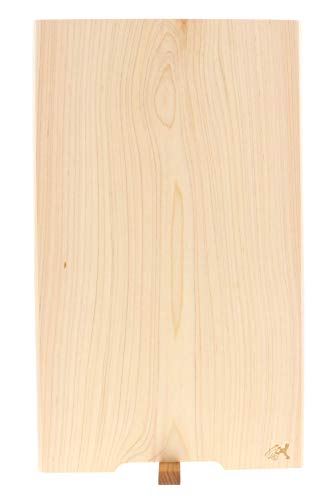
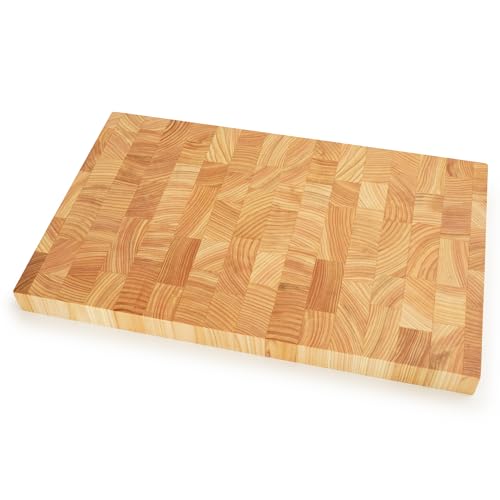
A Tosaryu Tosa hinoki cutting board brings the clean aroma and knife-friendly softness of Shimanto-river cypress from Kochi…
Owari kiri-zaiku is Nagoya's castle-town paulownia joinery. Its rice container uses paulownia's natural humidity buffering and insect resistance…
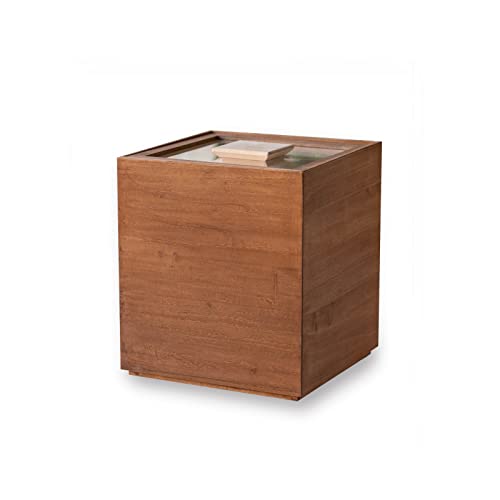
A paulownia rice container from Osaka's Senshu paulownia-joinery tradition. Kiri wood naturally regulates humidity and repels insects, keeping…
Kishu hinoki from Wakayama's Kii forests is prized for aroma and decay resistance. Here's where to buy an…
Odawara hikimono is one of Japan's oldest woodturning traditions, born in the Hojo castle town beside Hakone's forests.…
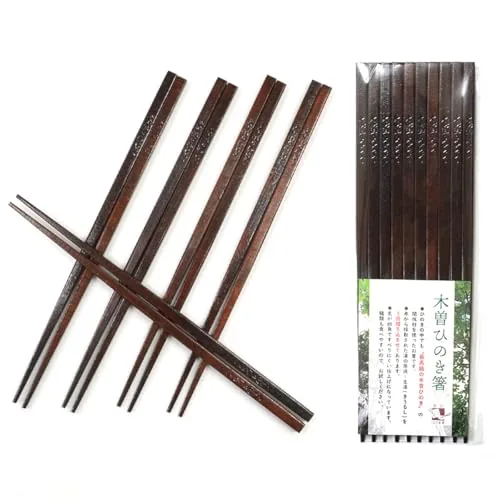
Hand-finished chopsticks turned from Yakusugi, the ancient cedar of Yakushima island. Tight, resin-rich grain from trees that grew…
Hyogo's Tajima region wove willow along the Maruyama River for over a thousand years. This hand-plaited Toyooka willow…
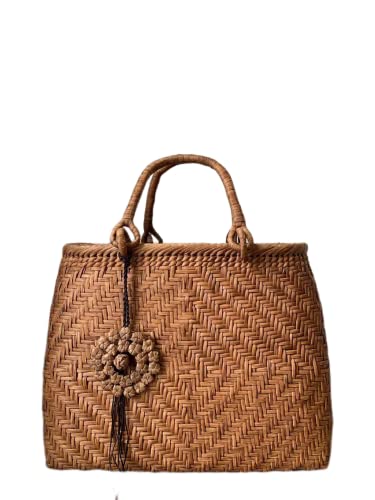
Woven from wild grapevine bark in the snowbound mountain villages of Okuaizu, this Mishima yamabudo basket bag is…
Kyo Sashimono is Kyoto's nail-free joinery, refined over centuries by the imperial court and the tea ceremony. This…
From Kamo in Niigata, where artisans make roughly 70% of Japan's paulownia chests, comes a kiri-wood rice bin.…
Iwayado Tansu pairs honey-toned zelkova and lacquer with hand-forged iron hardware, a chest-making craft born in the Oshu…
Hand-carved from Japanese yew (ichii) in Takayama, this Hida Ittobori okimono needs no paint — the wood's natural…
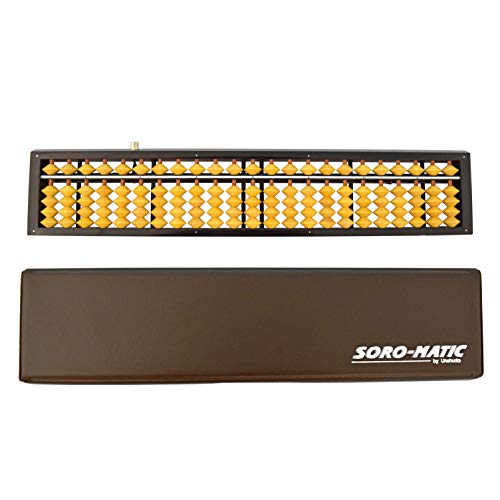
Unshu Soroban is the wooden abacus of Okuizumo, Shimane, born in Japan's tatara iron-sand country. Hard local birch,…
Kasukabe's nationally designated paulownia (kiri) woodwork turns Saitama's lightest wood into a moisture-regulating, fire-resistant box—ideal for storing kimono…
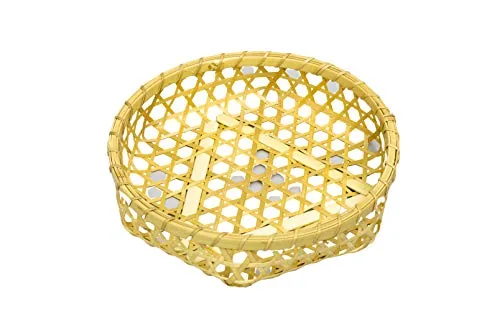
Beppu Takezaiku is Japan's only nationally designated bamboo craft, born from the rice and market baskets of Oita's…
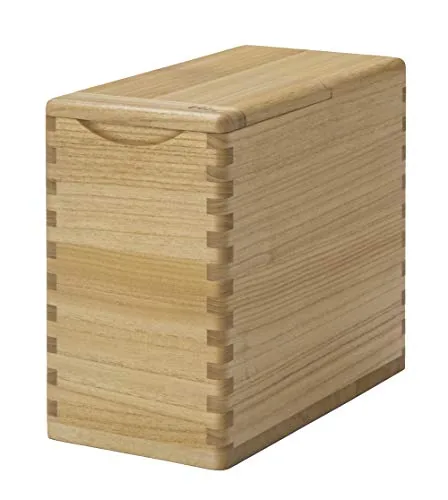
Suruga Sashimono is nail-free joinery woodwork born in Sumpu, where Tokugawa Ieyasu gathered master carpenters. This kiri (paulownia)…
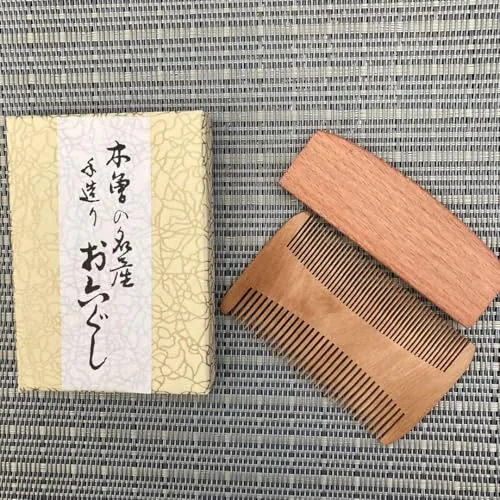
Hand-cut from dense minebari hardwood in Nagano's Kiso valley, the Oroku-gushi is a fine-tooth comb perfected along the…
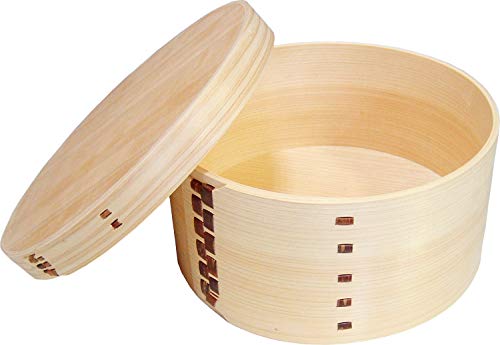
A wooden rice tub turned from Kiso cypress, the protected timber of Japan's central highlands. Its bare grain…
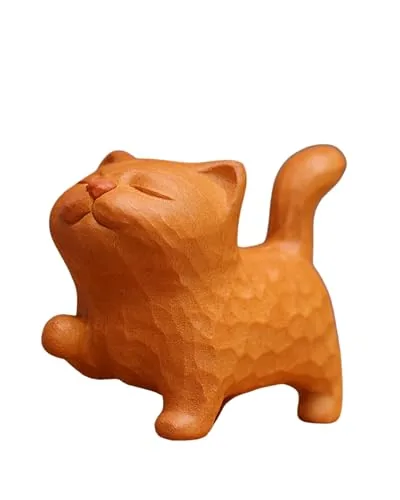
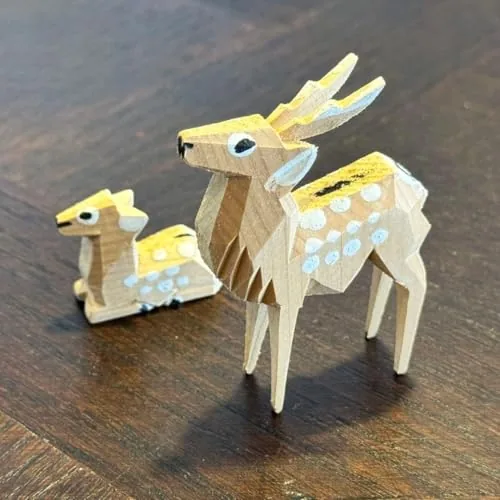
Nara Ittobori is a single-knife wood carving born from Kasuga Shrine festival figures. This carved deer okimono pairs…
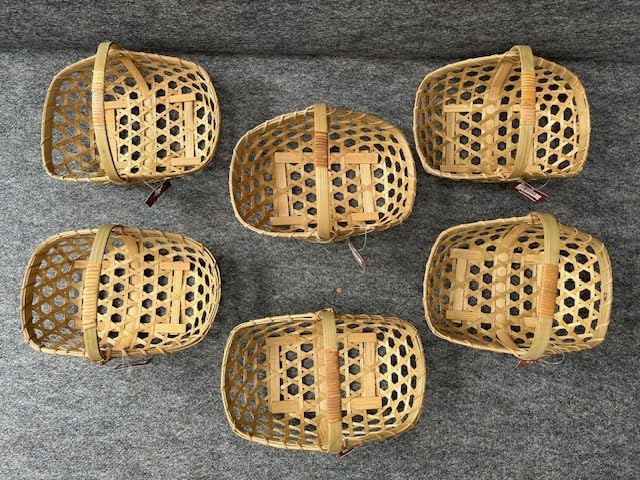
Beppu Takezaiku is Japan's only nationally designated bamboo craft, hand-woven from madake bamboo in Oita's hot-spring city. Here's…
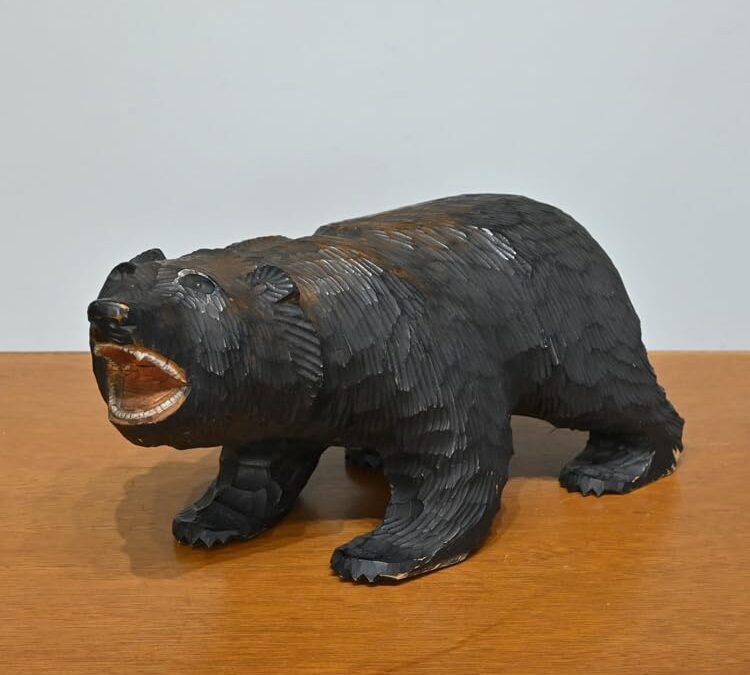
Hokkaido's iconic kibori-no-kuma is a hand-carved wooden bear that began as winter farm work in Yakumo and grew…
Obi-sugi cedar once grew tall and oil-rich for the Ito clan's Edo-era ships. Today the same fragrant Miyazaki…
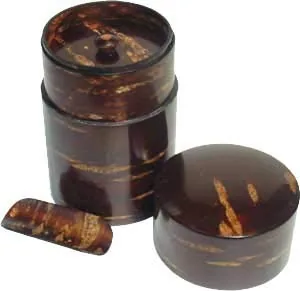
From the samurai town of Kakunodate in Akita, kabazaiku wraps polished wild cherry bark around a tea caddy…
Edo Kumiko coasters lock dozens of tiny cypress slats into a geometric asanoha hemp-leaf lattice with no nails…
Nikko-bori is a Tochigi woodcraft born around the 1636 Toshogu Shrine rebuild, when carvers stayed on and applied…
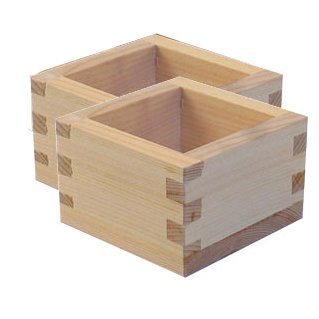
A hinoki masu from Ogaki, Gifu — the castle-town that crafts roughly 80% of Japan's wooden sake measures.…
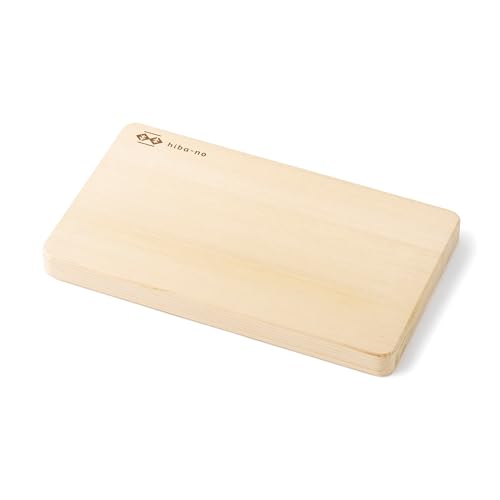
The Aomori hiba cutting board pairs a naturally antibacterial Japanese cypress with everyday durability. A Tohoku-rooted look at…
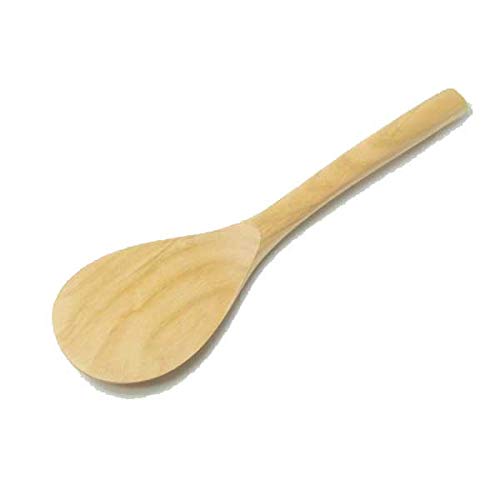
A hand-carved rice scoop from Miyajima, the sacred island off Hiroshima where a monk shaped the first shamoji…
A single-piece Kiso hinoki cutting board brings Owari-domain cypress into the kitchen — light, water-shedding, gentle on knife…