Odawara Sahari Bronze Wind Chime: Hand-Cast Hojo-Era Furin from Kanagawa [2026]
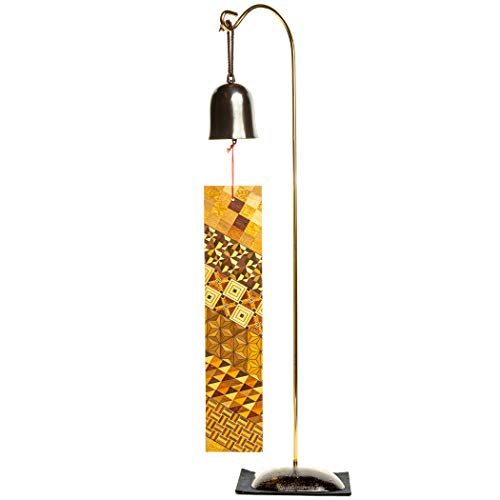
A hand-cast sahari bronze wind chime from Odawara, the Hojo clan's castle town whose foundries have tuned high-tin…
Editorial features on Japan's regional crafts — the makers, the materials, and the places each piece comes from.
A hand-cast sahari bronze wind chime from Odawara, the Hojo clan's castle town whose foundries have tuned high-tin…
This is the family of crafts that doesn't fit anywhere else — and contains some of Japan's most…
Cast-iron kettles from Iwate, hand-hammered copper from Tsubame, tin sake cups from Osaka, bronze bells from Takaoka —…
Japan builds in wood the way other cultures build in stone — and the small objects inherit the…
Most of Japan's blade towns began as sword towns — when the samurai era ended, the forges turned…
Indigo cotton from castle towns, silk from snow country, hemp crepe bleached on spring snowfields — Japanese regional…
Urushi — sap of the lacquer tree, layered and polished over weeks — is Japan's oldest luxury finish,…
Japan has been firing ceramics for longer than almost anywhere on earth — from the six ancient kilns…
Sanuki lacquerware from Takamatsu revives the kinma technique—lines carved into cured urushi, then packed with colored lacquer—on a…
Born in the Zen temples of Japan's first samurai capital, Kamakura-bori carves wood into peony relief and layers…
A hand-forged double-bevel nakiri from Nagano's Shinshu Uchihamono smiths, whose fire-forged, thin, feather-light blades trace back to swordsmiths…
Kawajiri Uchihamono is Kumamoto's port-town blacksmith tradition, born under Kato Kiyomasa and the Hosokawa domain. Here is where…
Kurume Kasuri is one of Japan's three great ikat weaves, hand-tied and indigo-dyed in Fukuoka's Chikugo plain since…
Onta-yaki is Oita's living folk-pottery village, and its chatter-marked tobikanna plates carry 300 years of one-family-per-kiln craft. Here…
A single-bevel usuba from Kawashiri, the medieval Midorikawa port town where Higo blacksmiths turned river-trade iron into blades.…
Shodai-yaki katakuchi from the foot of Mt. Shodai in Kumamoto pours straw-ash glaze in dramatic cascading streaks over…
A vermilion urushi sake cup crowned with Hidehira-nuri's signature gold-leaf clouds, carrying the golden aesthetic of Hiraizumi's 12th-century…
Yamanaka-nuri lacquer soup bowls pair Ishikawa's finest rokuro woodturning with black-and-vermilion urushi. Here is where to buy an…
Fukuoka's Hakata-ori is a 770-year silk weave whose ridged kenjo sash was presented yearly to the Kuroda lords.…
Wajima-nuri chopsticks are urushi ohashi built on Wajima's jinoko undercoat, layered through 100-plus steps for a durability and…
Kishu Negoro-nuri layers vermilion urushi over a black ground so the red wears back to reveal black—the quiet…
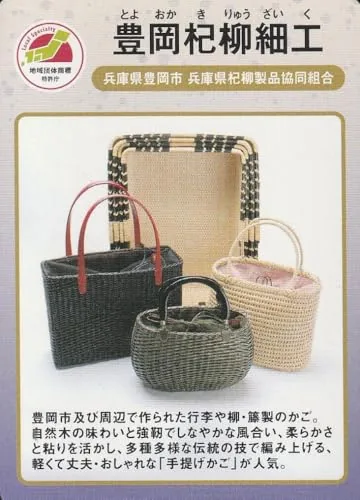
Toyooka Kiryu Zaiku is Hyogo's 1,000-year willow craft, born on the Maruyama River floodplain and once presented to…
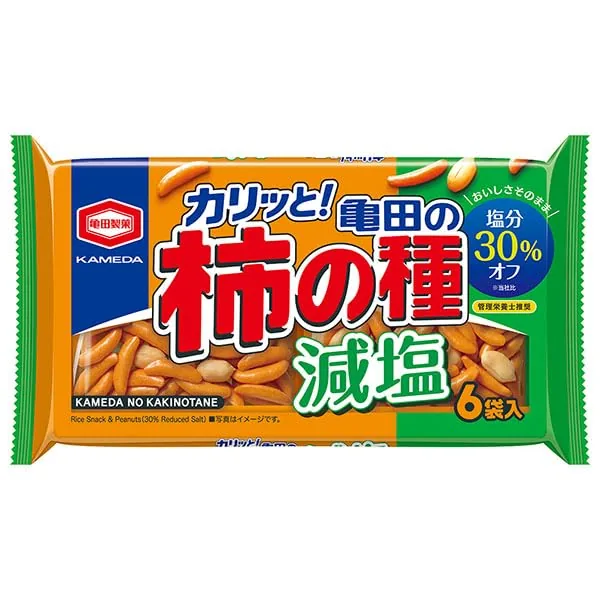
Kaki no Tane are small, curved soy-glazed arare—named for their resemblance to persimmon seeds—mixed with roasted peanuts, and…
Echizen Tansu pairs solid keyaki (zelkova) joinery with thick hand-forged iron hardware, a Fukui chest tradition born where…
Gokayama Washi is thick, strong kozo paper handmade in Toyama's World Heritage gassho villages. This letter set pairs…
Johana Shike-kinu is Toyama's last surviving slub-silk weave, born in a Jodo Shinshu temple town. Woven from double…
Inami woodcarving turns a single block of zelkova into a deep, openwork relief panel. Rooted in the temple…
Ueda Tsumugi is one of Japan's three great silk pongees, woven in Nagano's old Sanada castle town. This…
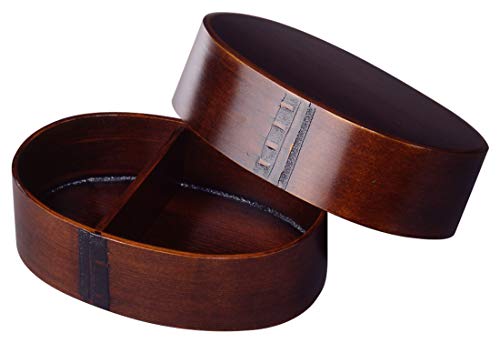
Kiso Menpa is a bentwood lunch box of hot-bent Kiso cypress sewn with cherry bark. The breathing wood…
A hand-forged Shinshu blade made for slicing buckwheat noodles, the soba-kiri carries Nagano's Kawanakajima swordsmith lineage into the…
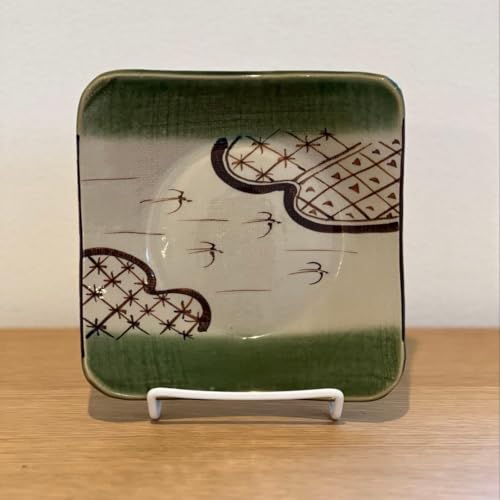
A copper-green Oribe serving dish from Gifu's Mino kilns — the bold, deliberately distorted tableware born of Momoyama…
Kawaguchi Imono is the cast iron craft of Saitama's old Nakasendo post town, where Arakawa river sand and…
A hand-forged kama from the Boso peninsula's Chiba Kosho-gu blacksmiths, the farm-and-garden tool tradition that earned Japan's national…
Forged in the old farm-tool smithies of the Shimosa plain, Chiba Kosho-gu bonsai shears pair a clean shearing…
Yuki Tsumugi is hand-spun true-silk floss woven on a backstrap loom in Ibaraki — a UNESCO-listed cloth. Here…
Tucked into the misty river valleys of Yame in southern Fukuoka, the village of Hoshino has built a…
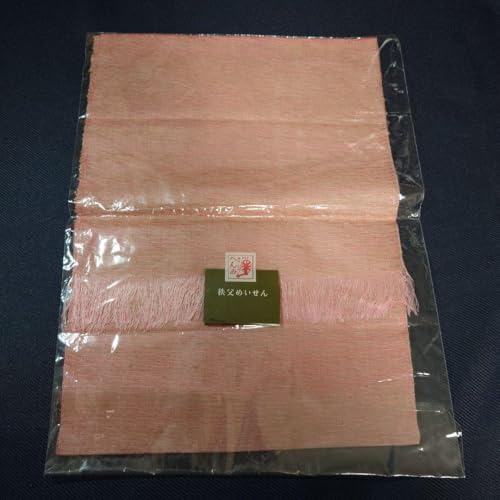
Chichibu Meisen is Saitama's bold, double-sided silk woven by the hogushi-zome process, where warp threads are stencil-printed before…
Yuki Tsumugi is hand-spun from real silk floss and woven on a backstrap loom in Oyama, Tochigi —…
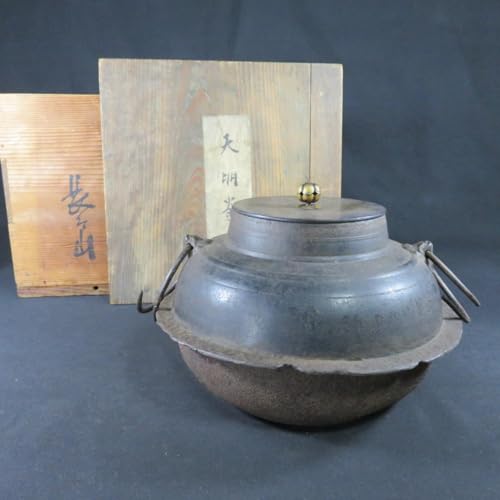
Sano's Tenmyo iron-casting tradition reaches back to the Heian era. Its rough-skinned chagama kettle is one of Japan's…
Woven from shina-tree bast fiber in Yamagata's Sekigawa village, Uetsu Shinafu ranks among Japan's three oldest cloths—a durable,…