Tendo Shogi Koma: Where to Buy Hand-Carved Wooden Shogi Pieces [2026]
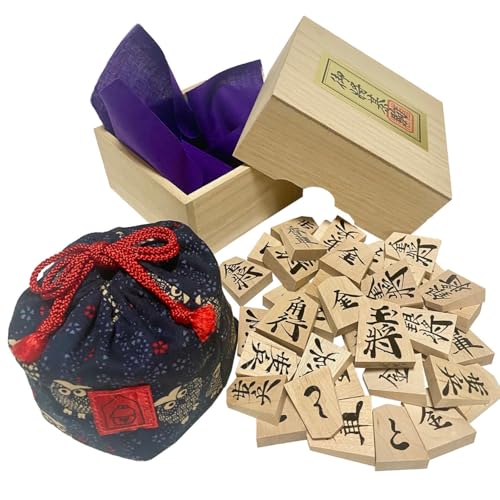
Tendo in Yamagata carves roughly 95% of Japan's shogi pieces, a craft born from samurai side-work in the…
Editorial features on Japan's regional crafts — the makers, the materials, and the places each piece comes from.
Tendo in Yamagata carves roughly 95% of Japan's shogi pieces, a craft born from samurai side-work in the…
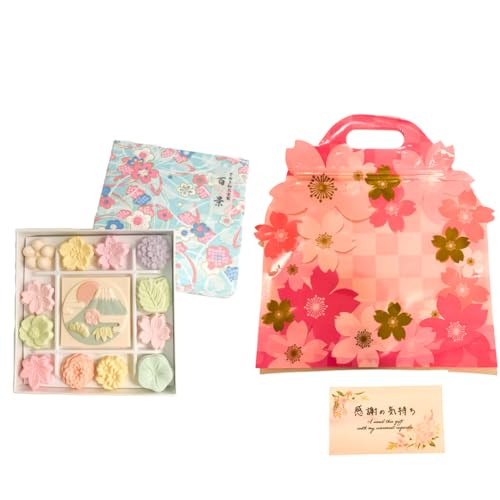
Wasanbon is Japan's most refined traditional sugar, milled to a powder so fine it melts on the tongue,…
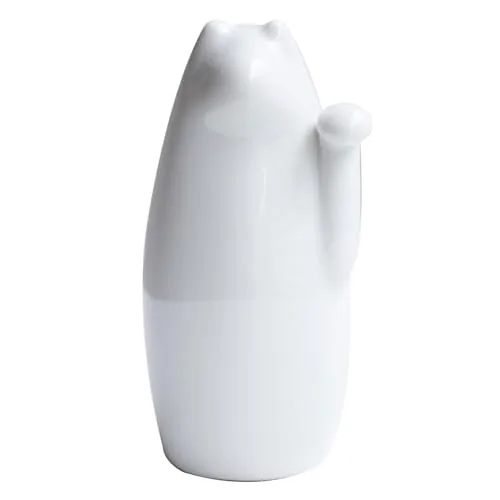
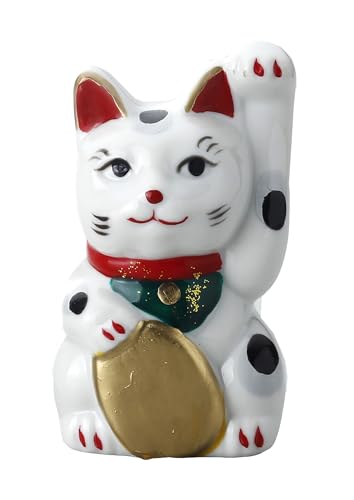
Imado-yaki is the Edo-era Asakusa earthenware tied to the maneki-neko's birth legend. A hand-shaped Tokyo clay lucky cat…
Imado-yaki is Tokyo's old Asakusa earthenware and the birthplace of the maneki-neko. This hand-shaped, low-fired beckoning cat carries…
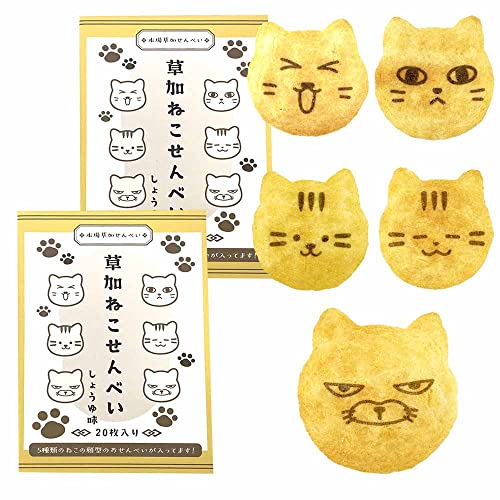
Soka Senbei are firm, hand-pressed rice crackers from Soka, a former post town on the old Nikko Kaido…
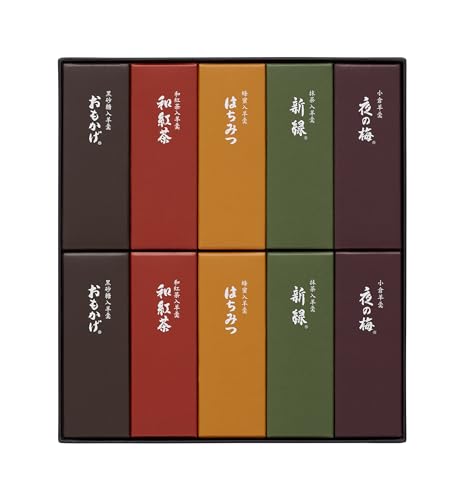
Toraya (虎屋), founded in Kyoto in the early 1500s and purveyor of wagashi to the Japanese Imperial Court…
Yamaguchi's Ouchi-nuri lacquer carries the gold autumn-grass and lozenge crest of the medieval Ouchi court. Here is where…
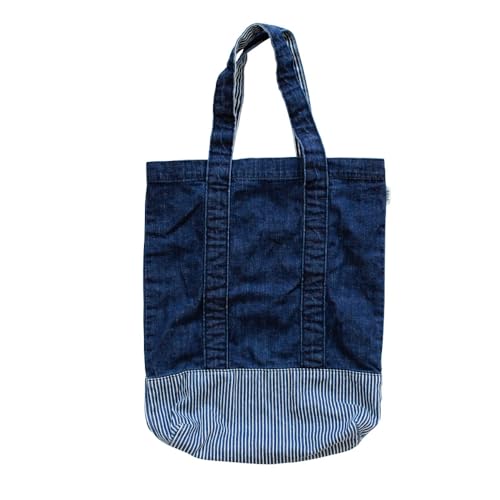
From Kurashiki's Kojima district, the birthplace of Japanese jeans, comes a heavyweight selvedge denim tote woven on vintage…
A hand-forged nakiri vegetable knife from Okayama's Osafune, the ancient Bizen-den swordmaking heartland whose smiths turned from blades…
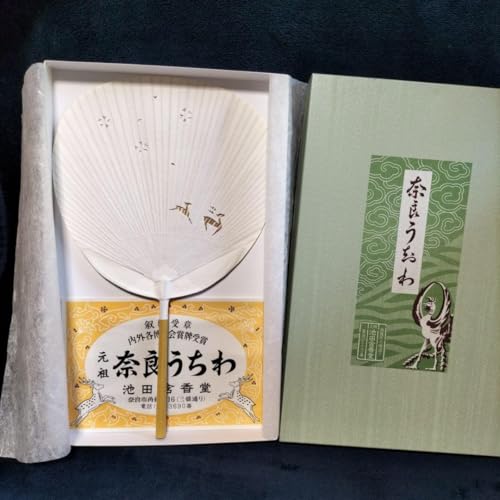
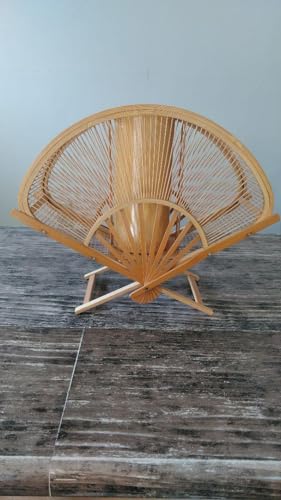
Nara Uchiwa is a transparent openwork fan whose ultra-fine carved deer and Shosoin motifs trace back to Kasuga…
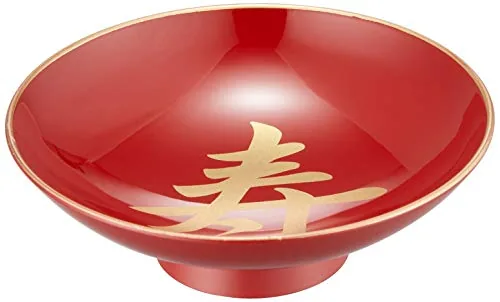
Kishu Negoro-nuri sake cups wear vermillion urushi over a black ground that surfaces with use. A temple-born Wakayama…
A bronze orin (rin) singing bowl cast in Takaoka, Japan's bronzeware capital since 1609. Sahari alloy gives a…
A hand-cast 100% tin sake cup from Takaoka, Toyama — the casting town that supplies most of Japan's…
Inami Choukoku is Japan's premier temple-carving tradition, and this hand-carved keyaki owl turns those chisel skills into a…
Ashikaga Meisen is Tochigi's bold, ikat-patterned everyday silk, woven in the hometown of the Ashikaga shoguns. This slim…
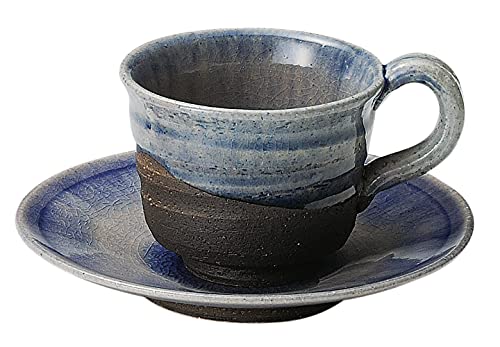
Kasama-yaki is the Kanto region's oldest stoneware, born under the Mito-allied Kasama domain in the 1770s. This hand-glazed…
Shiroishi Washi is the unusually tough kozo paper of Katakura's castle town in southern Miyagi—strong enough to be…
Aizu E-rosoku are hand-painted Japanese candles from snowbound Fukushima, made from sumac wax and decorated with seasonal blossoms.…
Sendai-hira is Miyagi's most formal woven silk, born from Date-clan patronage and once reserved for the highest hakama.…
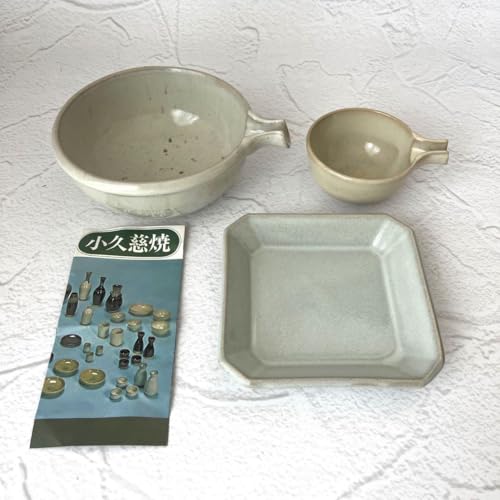
Kokuji-yaki is Iwate's northernmost kiln, firing amber-and-white ame-glaze stoneware since the 1810s. Its katakuchi spouted bowl pours sauces,…
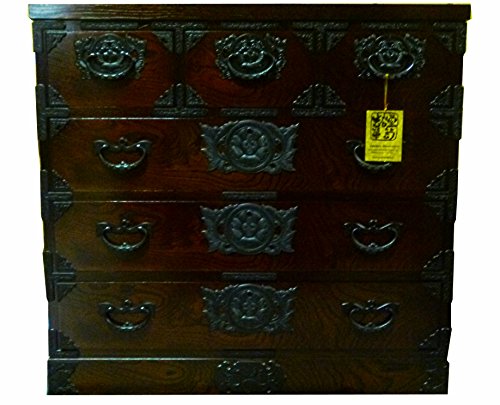
Iwayado Tansu joins keyaki zelkova wood, kijiro lacquer, and hand-forged Nanbu iron hardware in a chest born in…
Hirashimizu-yaki from Yamagata City fires the iron-flecked clay of Mt. Chitose into the signature 'zangetsu' lingering-snow glaze. This…
Hirashimizu-yaki from Yamagata City fires local iron-rich Chitoseyama clay into a 'remaining snow' celadon, where dark mineral spots…
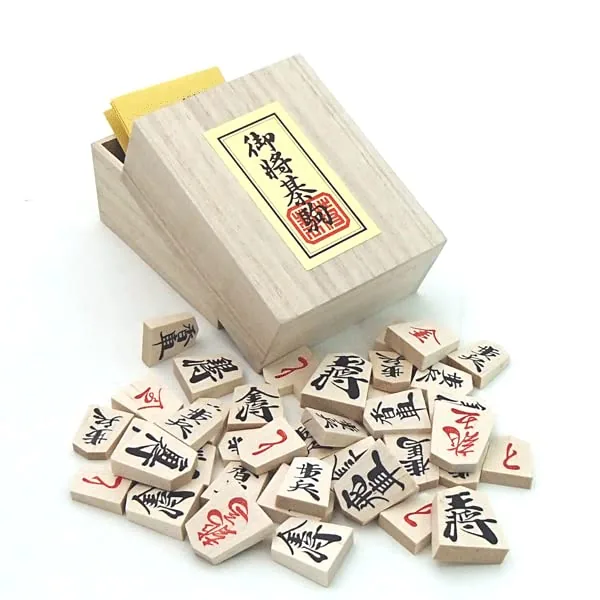
Tendo in Yamagata carves about 95% of Japan's shogi pieces. A guide to authentic Tendo Shogi Koma sets…
Niigata Shikki take-nuri chopsticks recreate the nodes and grain of real bamboo entirely in urushi lacquer. A Niigata…
Gifu Wagasa is Japan's iconic washi-and-bamboo paper umbrella, hand-built in Gifu City from Mino washi and Nagara River…
Omi Jofu is Shiga's flagship ramie textile—crisp hand-twisted hemp with crepe shibo texture and indigo kasuri, woven near…
Suruga Takesensuji Zaiku is Shizuoka's round-rod bamboo craft from Ieyasu's Sunpu capital — hand-bored cylindrical bamboo splints joined…
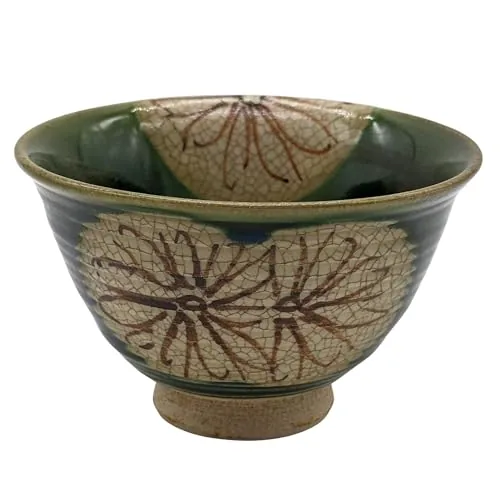
Oribe-yaki is the boldest of Momoyama tea ceramics: copper-green glaze, off-kilter forms, and iron-brush geometry. Here is where…
A snow-bleached ramie crepe from Niigata's Echigo snow country, Ojiya-chijimi twists cool, crinkled 'shibo' texture into a light,…
Mumyoi-yaki is fired from the iron-rich red earth of Sado's gold mines, polished to a metallic sheen and…
Najio Washi is Hyogo's clay-infused gampi paper, prized for its lustrous, insect- and fade-resistant surface. Once used for…
A tokkuri sake flask from Inkyuzan-yaki, Tottori's oldest working kiln under the Ikeda clan. Ash and namako glazes…
Okinawa's Yaeyama Minsa weaves a 5-and-4 stripe meaning 'together forever.' Where to buy an authentic Ishigaki minsa cotton…
Etchu Seto-yaki is Toyama's oldest ceramic ware, born in 1594 at the foot of the Tateyama mountains. This…
A hand-carved hardwood tray from Nibutani in Hokkaido, incised with the flowing moreu, aiushi and ramu motifs of…
Aizu Momen is Fukushima's thick indigo-striped cotton, woven since a 16th-century lord brought the craft to the snow…
A sand-cast bronze hanaire from Takaoka, the town that casts nine-tenths of Japan's copperware. Hand-patinated for ikebana and…
From Hyogo's centuries-old 'city of hardware,' the Miki Uchihamono ryoba is a double-edged Japanese pull saw with rip…
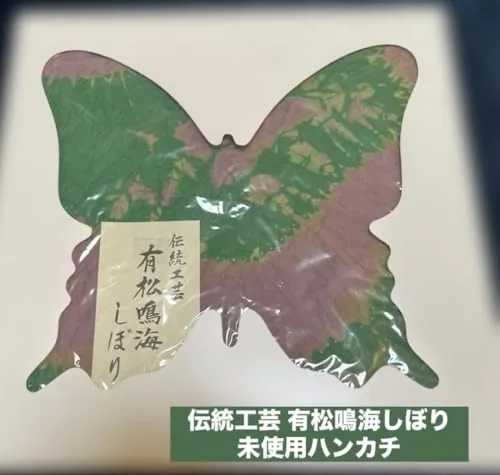
Arimatsu-Narumi Shibori is Aichi's Tokaido tie-dye, born in a 1608 post town. This hand-dyed indigo cotton handkerchief carries…