Fukui Habutae Shioze Silk Fukusa: Tea Ceremony Wrapping Cloth [2026]
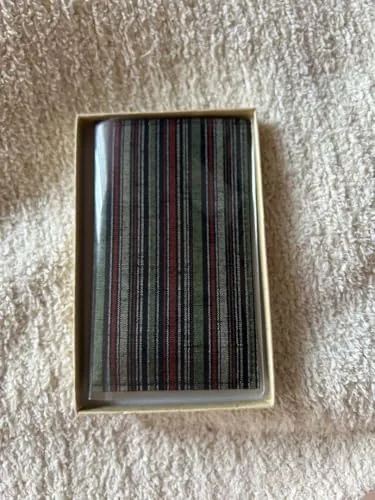
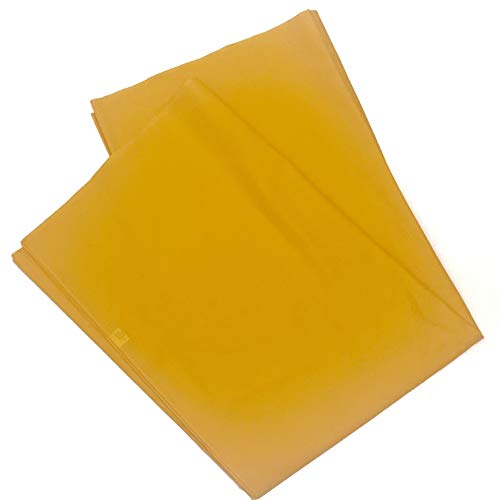
Fukui made Japan the world's silk capital in the Meiji era, and its Shioze habutae—a thick, even plain-weave—remains…
Editorial features on Japan's regional crafts — the makers, the materials, and the places each piece comes from.
Fukui made Japan the world's silk capital in the Meiji era, and its Shioze habutae—a thick, even plain-weave—remains…
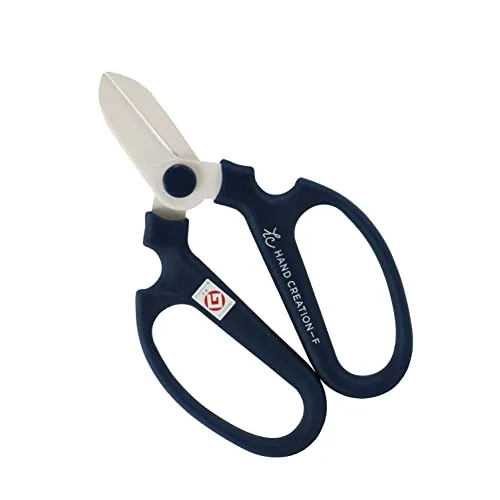
Kyoto is the birthplace of ikebana, and its Kyo Hamono smiths forge the warabite-gata hanabasami — loop-handle flower…
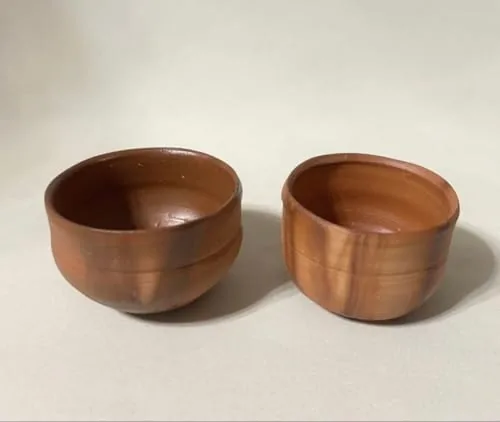
From Okayama's Imbe village, one of Japan's Six Ancient Kilns, this unglazed wood-fired Bizen guinomi carries scarlet hidasuki…
Osaka Karaki Sashimono joins imported rosewood and ebony into a nail-free serving tray, born from the merchant port…
Naniwa Honzome is Osaka's hand-poured chusen dyeing, the technique born in Sakai in the 1880s. A noren door…
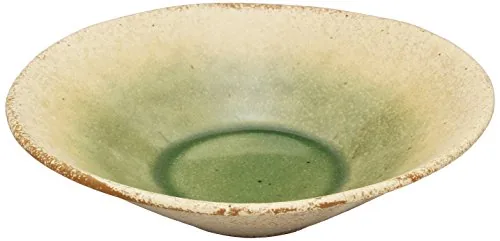
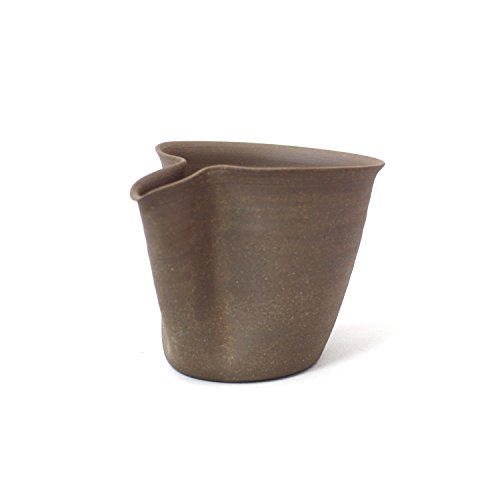
A blue-green glazed katakuchi pourer from Matsushiro-yaki, the Sanada clan's old domain kiln in Nagano. Its copper-ash nagashi-gake…
Akita Hachijo is a rare plant-dyed silk from the old Satake domain, its kariyasu golden-yellow hira-ori woven into…
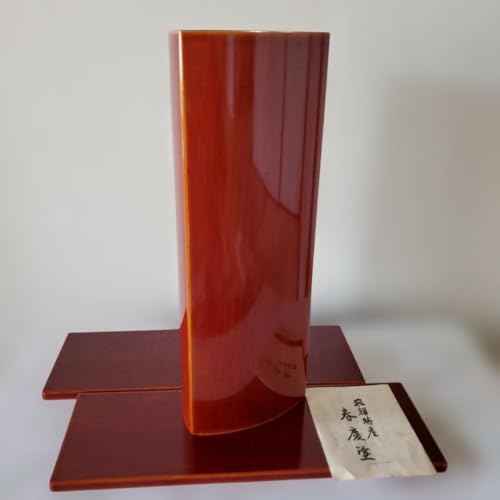
Hida Shunkei is the original transparent-lacquer ware of Takayama, where amber urushi is laid over bare sawara wood…
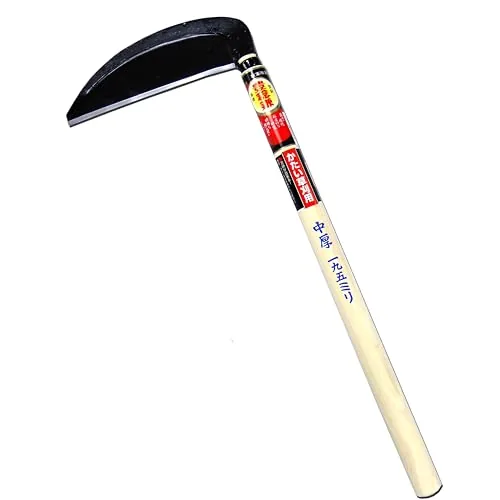
Shinshu Uchihamono garden sickles trace to swordsmiths who settled after the Kawanakajima battles—razor-thin, hand-forged high-carbon blades carrying deep…
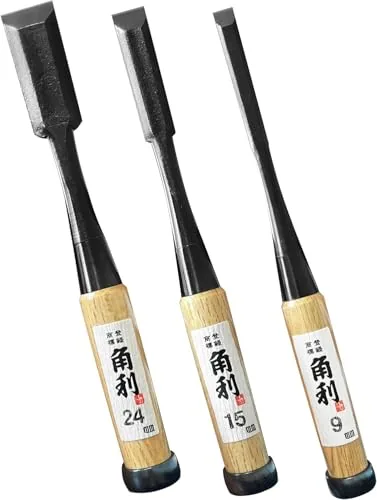
From Niigata's blacksmith town of Sanjo, the oire-nomi is a laminated high-carbon bench chisel built for fine joinery.…
Ueda Tsumugi is the Sanada castle town's slubbed silk, prized for a durability so legendary it outlasts three…
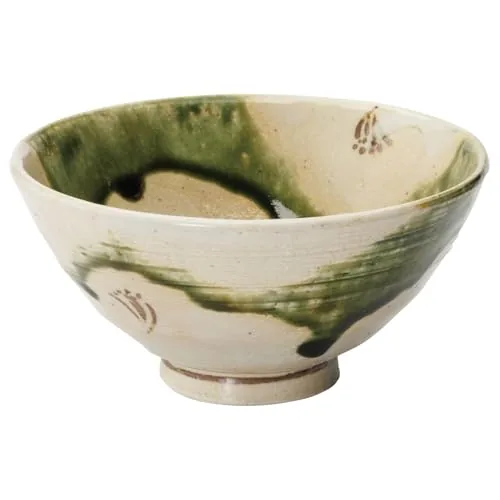
Mino-yaki Oribe ware brings Momoyama-era tea aesthetics to the table: copper-green glaze, asymmetric warped forms, and bold iron-painted…
Ryukyu lacquerware carries the vermilion warmth of the Ryukyu Kingdom's royal workshops. This free cup showcases tsuikin, the…
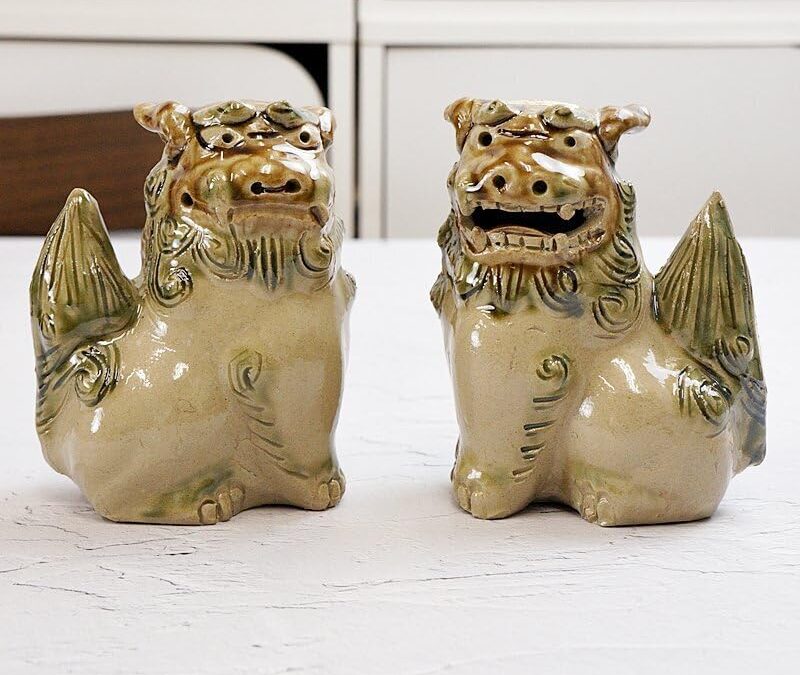
Hand-formed in Naha's centuries-old Tsuboya kiln district, these yachimun shisa lion-dogs guard the threshold against misfortune. A grounded…
Imado-yaki is the Edo-born earthenware of Asakusa, and Imado Shrine is celebrated as the birthplace of the maneki-neko.…
A hand-lacquered keyaki owan from the Naruko Onsen tradition, finished in transparent kijiro-nuri so the zelkova grain glows…
Mino-yaki Oribe ware turns Furuta Oribe's bold green copper glaze and deliberately warped 'hyuge' forms into a mukozuke…
Tokyo Ginki is the Edo silversmith tradition once serving the shogunate. This hand-engraved, mirror-polished pure-silver tumbler keeps drinks…
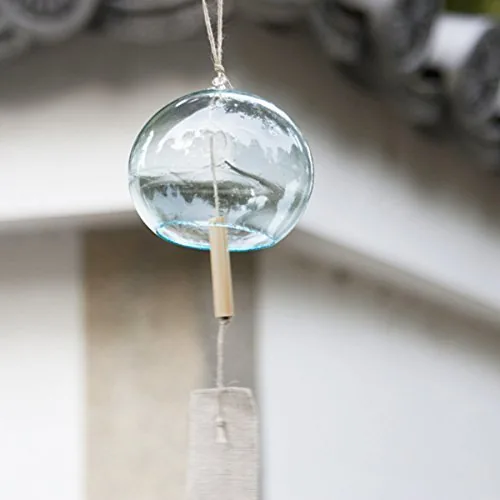
Edo Furin are mold-free, mouth-blown glass wind bells painted from the inside, with a deliberately rough-cut rim that…
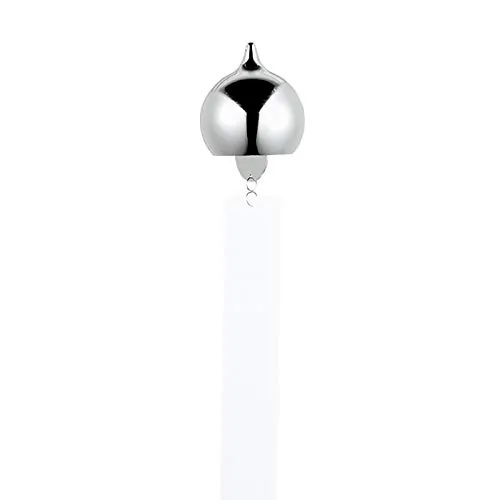
A hand-finished brass wind bell from Takaoka, Toyama — the foundry town that casts roughly 90% of Japan's…
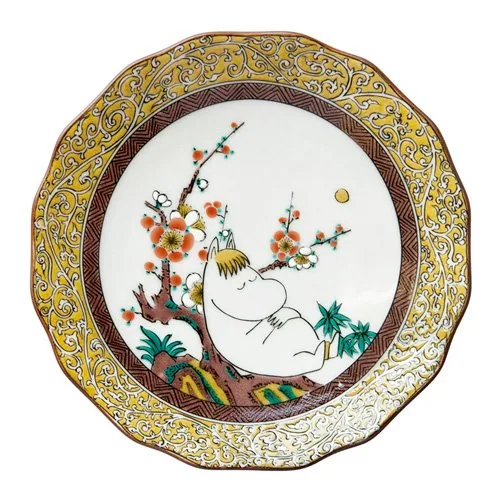
Kutani-yaki mamezara bring 370 years of Kaga overglaze color to the table — five bold gosai pigments on…
Inami in Toyama is Japan's temple-carving capital, where Zuisen-ji sculptors carve keyaki and camphor with 200-plus chisels. This…
Woven in Nishiwaki, Hyogo since 1792, Banshu-ori is Japan's leading yarn-dyed cotton. Its sakizome threads are dyed before…
Kyo Shikki is Kyoto's refined lacquerware, born from the old capital's court, temples, and tea ceremony. The maki-e…
Gunma's Isesaki Meisen is the bold-patterned silk that dressed Taisho Japan. Here is where to find an authentic…
Echizen-yaki is one of Japan's Six Ancient Kilns, fired unglazed for 850 years so wood-ash settles into a…
A single-knife miniature carved from Hida yew, left unstained so the wood's two-tone grain deepens to amber with…
Niigata's Murakami Kibori Tsuishu is deeply carved zelkova layered with vermilion urushi. Here is a level-headed look at…
Ojiya Chijimi is Niigata's snow-country ramie crepe, woven with high-twist weft for a crisp, cooling texture and bleached…
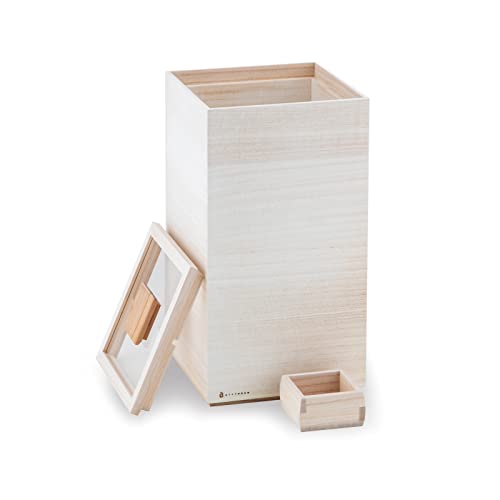
A humidity-regulating paulownia rice keeper from Kamo, Japan's paulownia-chest capital. Lightweight, insect-resistant kiri wood keeps rice fresh in…
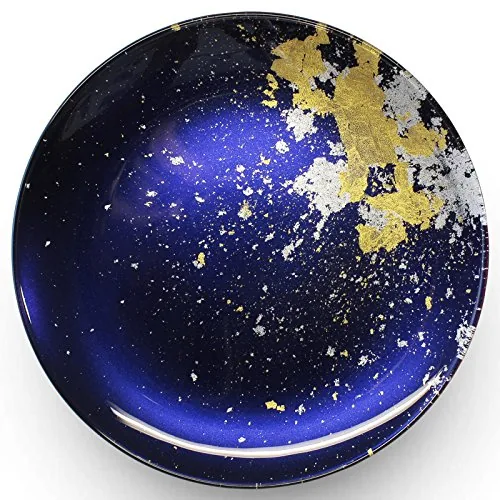
Aizu-nuri began when lord Gamo Ujisato brought Omi lacquer artisans to Aizu in 1590. This makie serving plate…
A hand-painted silk furoshiki dyed in the Kaga Yuzen tradition of Kanazawa, defined by the five Kaga-gosai colors,…
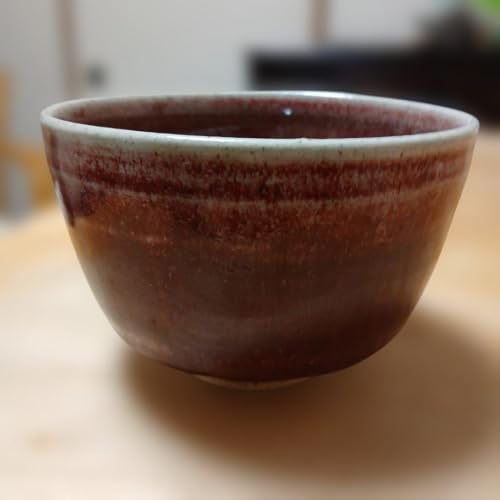
Hirashimizu-yaki tea bowls from Yamagata are glazed with zansha, a 'remaining-snow' effect where iron in the local Mt.…
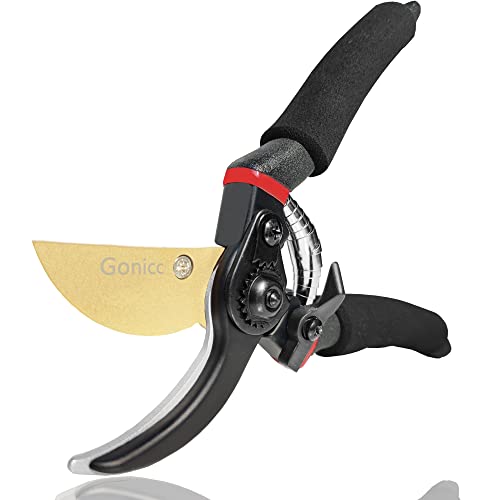
Hand-forged carbon-steel pruning shears from Banshu Miki, Hyogo's centuries-old hardware town. Classic butterfly-handle Koryu form built for bonsai,…
A slim eyeglass case sewn from Matsusaka Momen, the indigo-striped cotton that dressed Edo's townspeople. Soft hand-loomed cloth,…
Kasama-yaki is the Kanto region's oldest pottery and the parent kiln of Mashiko. Its iron-rich clay makes a…
Echizen-yaki is one of Japan's Six Ancient Kilns, fired unglazed at high heat so wood ash melts into…
Nara Shikki lacquerware carries the raden mother-of-pearl tradition straight from the 8th-century Shosoin treasures of Todai-ji. This guide…
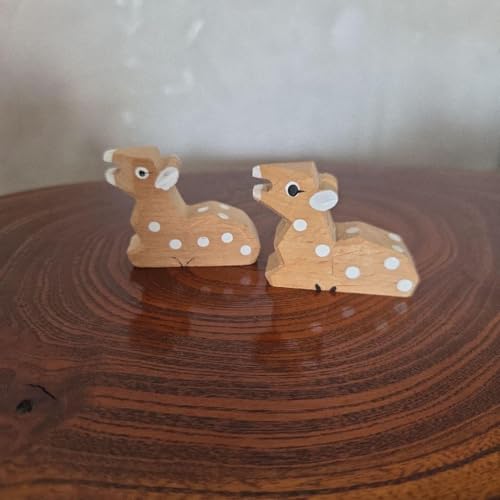
Nara Ittobori turns a few decisive chisel strokes into a faceted, polychrome wooden deer — the sacred messenger…
A hand-thrown Mashiko-yaki pour-over dripper in Tochigi's signature persimmon kaki glaze, born from the mingei movement of Hamada…