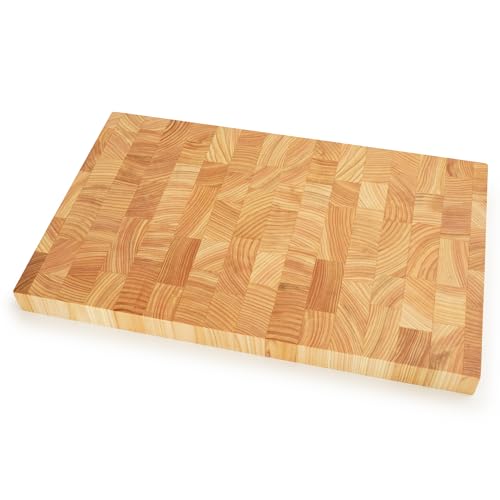
Kiso Hinoki Cutting Board — Nagano Cypress Woodwork Guide [2026]
A single-piece Kiso hinoki cutting board brings Owari-domain cypress into the kitchen — light, water-shedding, gentle on knife…
A single-piece Kiso hinoki cutting board brings Owari-domain cypress into the kitchen — light, water-shedding, gentle on knife…
Hida Shunkei lacquer lets cypress grain glow through amber urushi—a Takayama craft descended from the legendary Hida carpenters,…
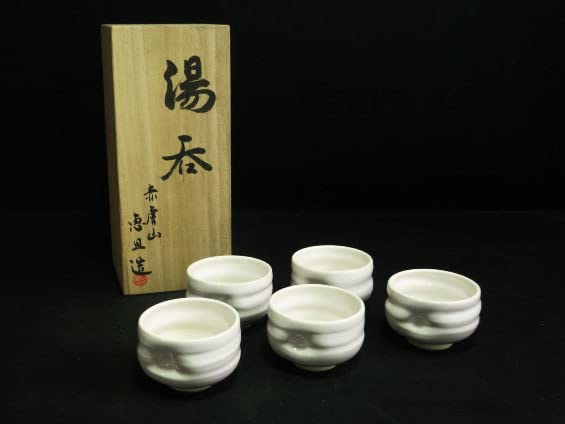
Shiro-Satsuma's ivory crackle glaze, born under the Shimazu domain, once charmed Meiji export buyers. Here's where to buy…
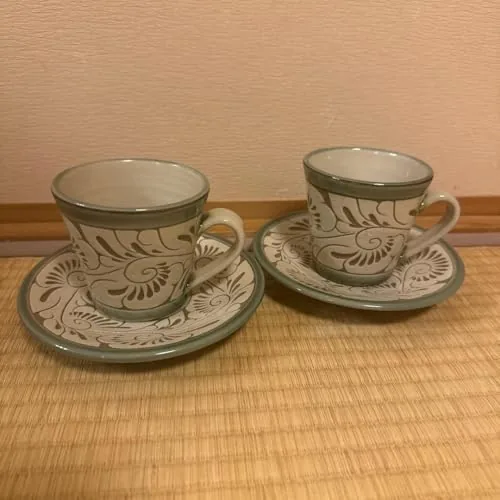
Yachimun is Okinawa's Tsuboya pottery, shaped by the Ryukyu Kingdom's trading era. We cover its bold glazes, arabesque…
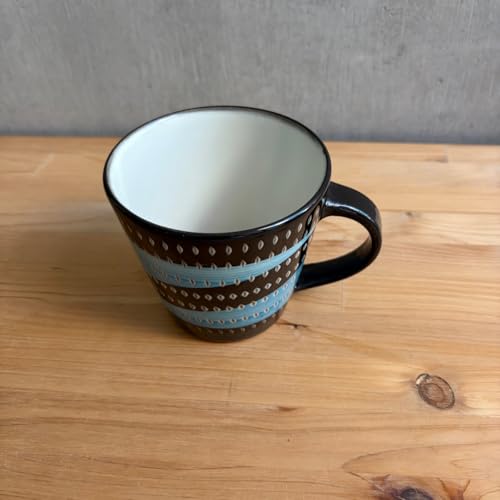
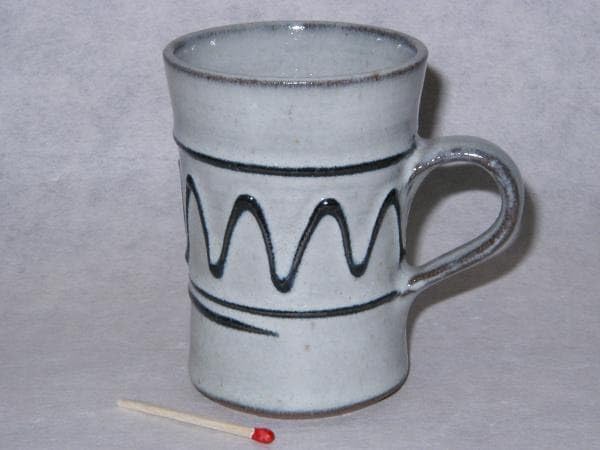
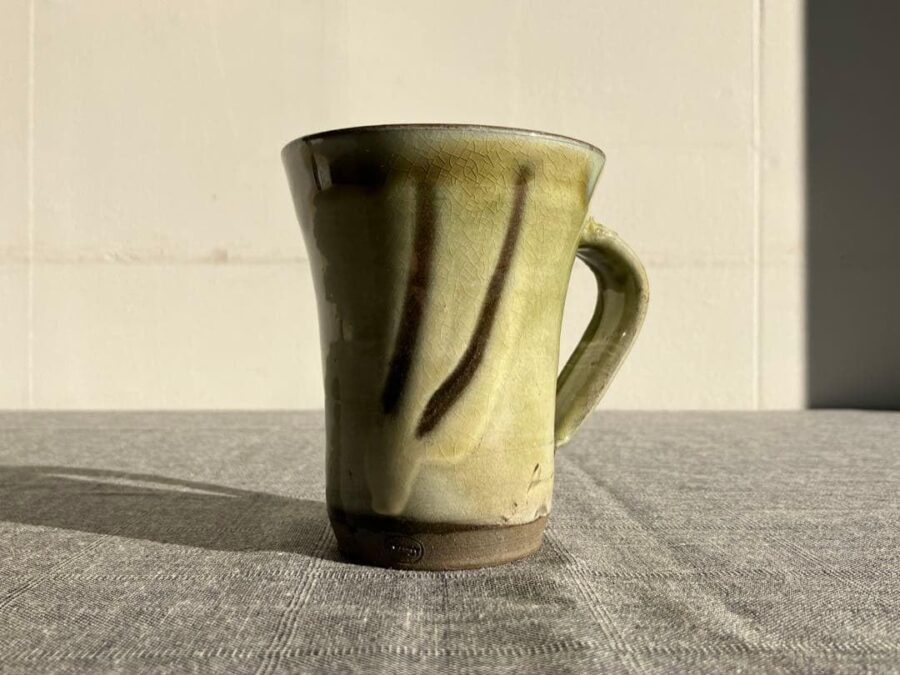
Koishiwara yaki's tobikanna chatter marks turn a daily mug into a slice of Fukuoka mingei. A buyer's guide…
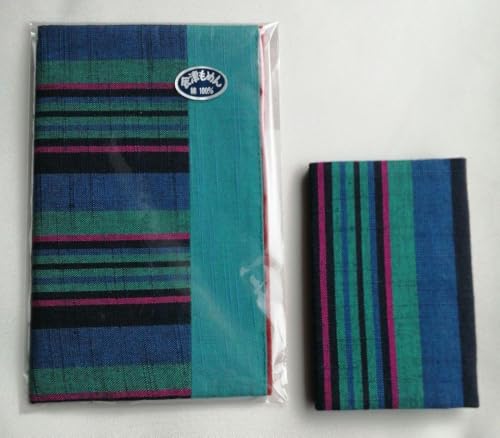
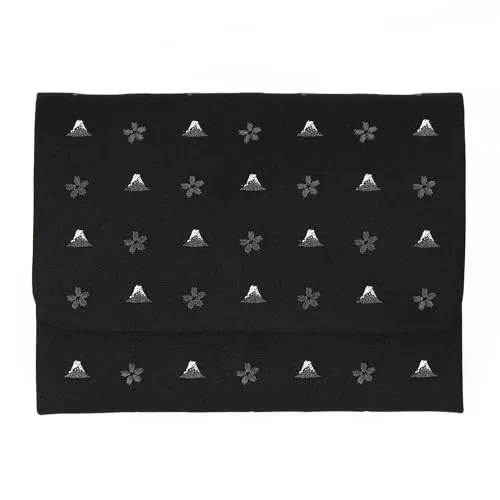
Woven in Aizu for over four centuries, this indigo-striped cotton pouch carries the sturdy everyday craft of a…
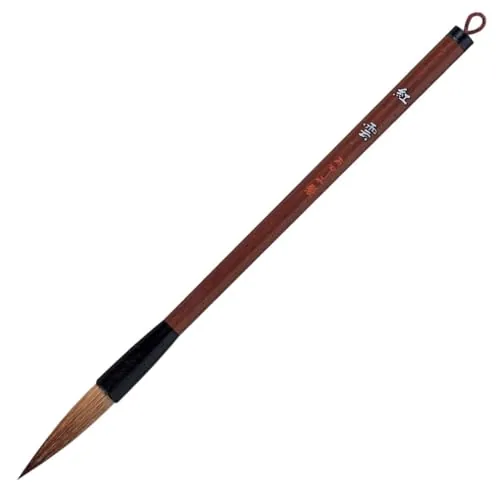
A traditional Nara calligraphy brush from Akashiya, a brushmaker rooted in Japan's first capital—with notes on hair grades,…
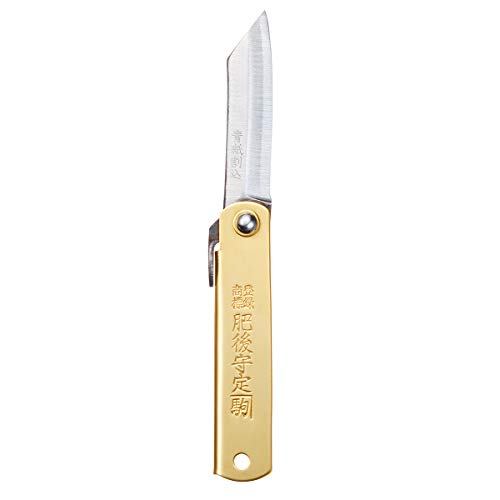
Japan's friction-folding pocket knife, hand-forged in Miki, Hyogo by the sole licensed maker. Where to buy the Higonokami…
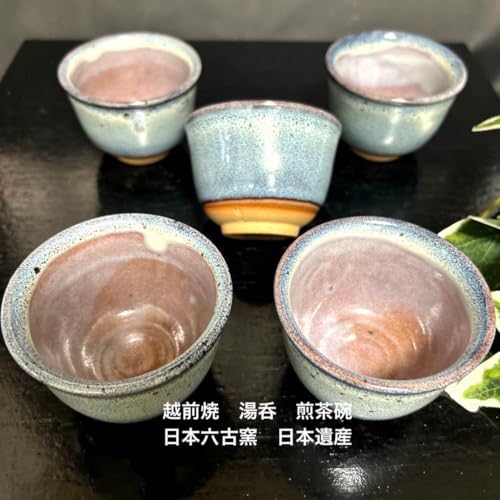
Echizen ware from Fukui is one of Japan's Six Ancient Kilns. This iron-rich stoneware yunomi shows natural ash-glaze…
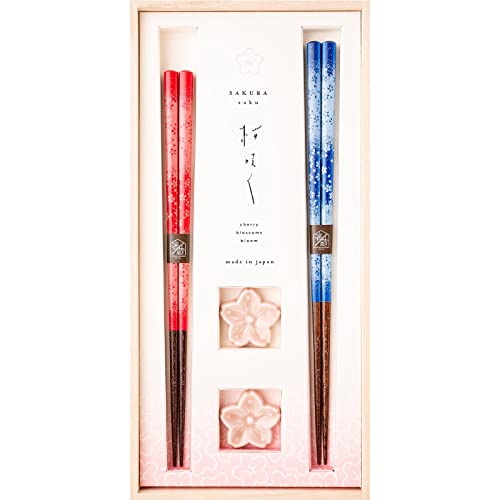
Wakasa Nuri lacquer chopsticks from Obama, Fukui carry shell-inlay layers polished to a deep luster. Here is where…
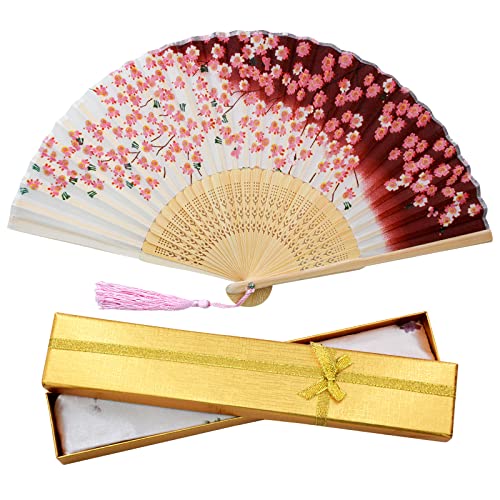
The folding fan was invented in Heian-era Kyoto, and Kyo Sensu still carries that courtly refinement—here is how…
A katsura-wood hand mirror carved in relief and finished in urushi, Kamakura-bori carries an 800-year line that began…
Akahada-yaki is Nara's milky-glazed pottery, brushed with Nara-e figures of deer and pavilions over reddish clay. Here's where…
From Heian-era looms to post-Onin War weavers in west Kyoto, Nishijin-ori carries 1,200 years of silk craft into…
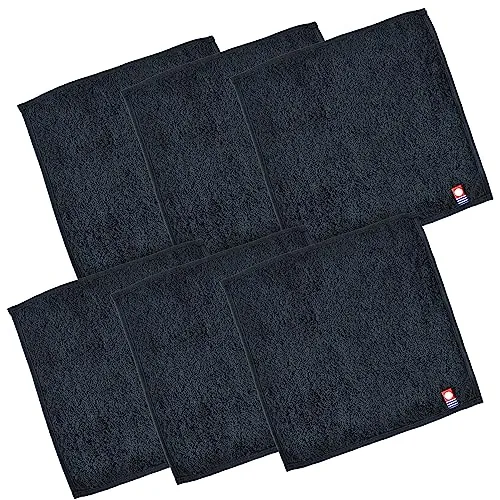
Japan-based editorial team in Toyama and Nara introduces Imabari Towel — Ehime's Setouchi soft-water cotton textile rooted in…
Tanba-yaki is one of Japan's Six Ancient Kilns, fired in Sasayama hills since the Heian era. Our team…
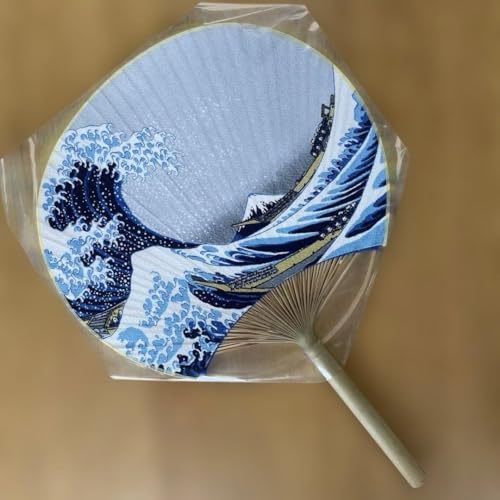
Boshu Uchiwa from Chiba's Tateyama coast is one of Japan's three great uchiwa, hand-split from a single bamboo…
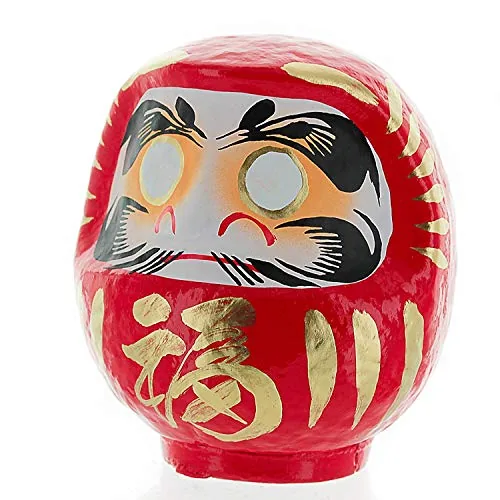
Takasaki Daruma is Gunma's iconic papier-mâché wishing doll, born at Shorinzan Daruma-ji temple in the late Edo period…
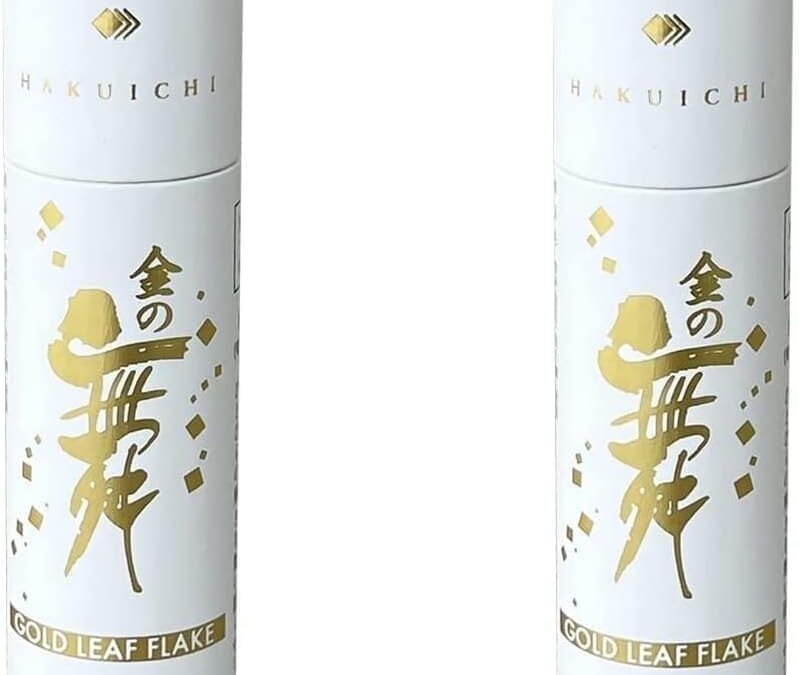
Hakuichi's Kanazawa kinpaku — gold leaf from the city that hammers over 99% of Japan's foil — carries…
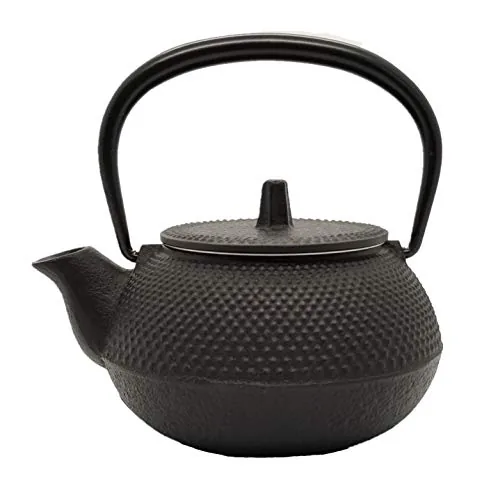
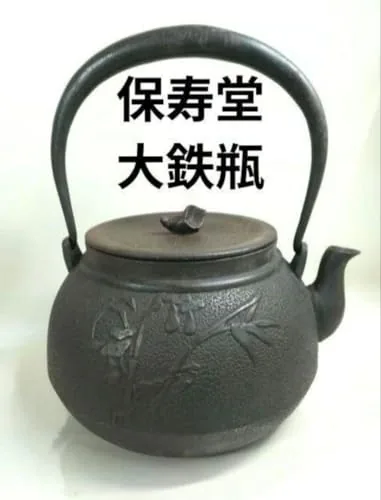
Nambu Tekki cast iron tetsubin from Morioka, Iwate carries four centuries of Tohoku ironworking. We line up the…
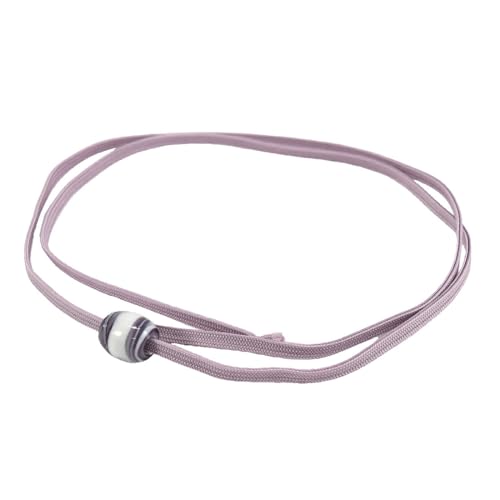
Iga Kumihimo silk obijime carries centuries of Mie braiding craft — once worn on samurai armor lacing, now…
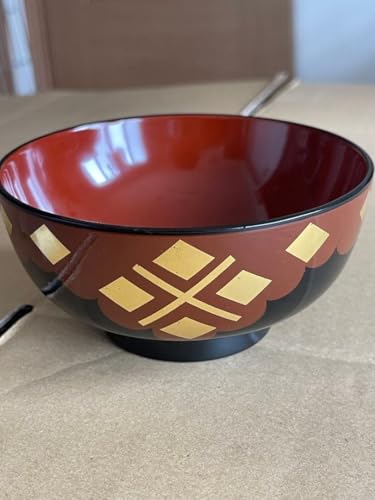
Iwate's 12th-century Hiraizumi lacquer tradition: gold-leaf kumo and hishigata patterns on Joboji urushi, hand-applied in Ichinoseki workshops.
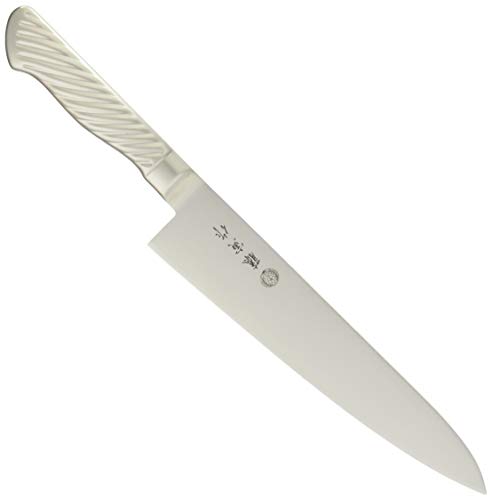
Tojiro's DP series put Sanjo bladesmithing on the global kitchen map. Here's why the cobalt-alloy santoku is Niigata's…
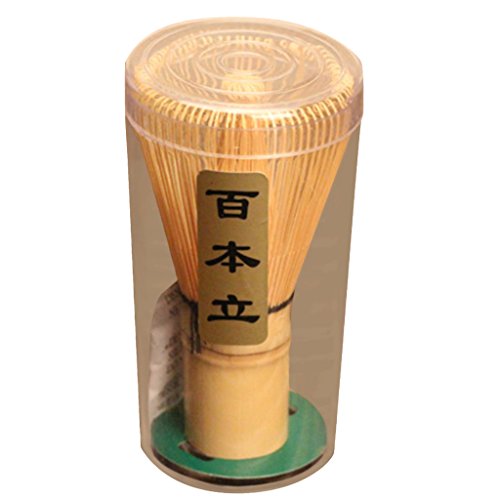
Hand-shaved bamboo matcha whisk from Ikoma's Takayama district, where Nara artisans have refined chasen for 500 years.
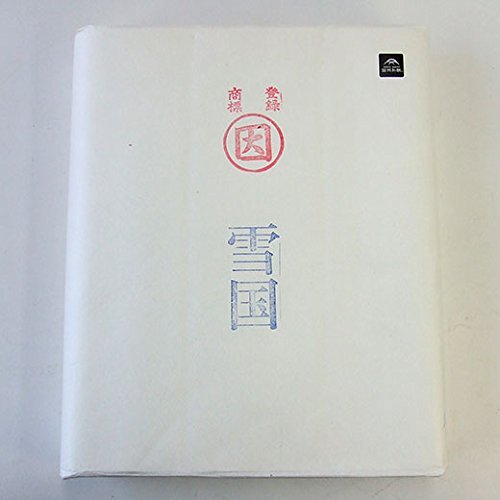
Tottori's Inshu Washi has been Japan's standard shodo calligraphy paper since the 8th century — light, even ink…
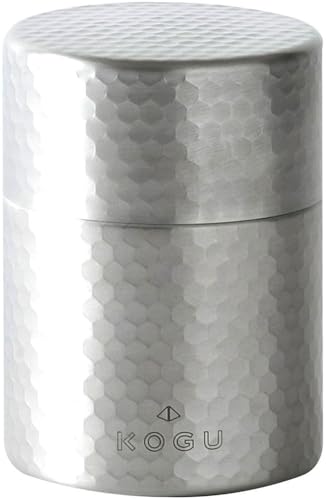
A hand-spun tin tea caddy from Kaikado, the Kyoto chazutsu house that has refined a 130-step process since…
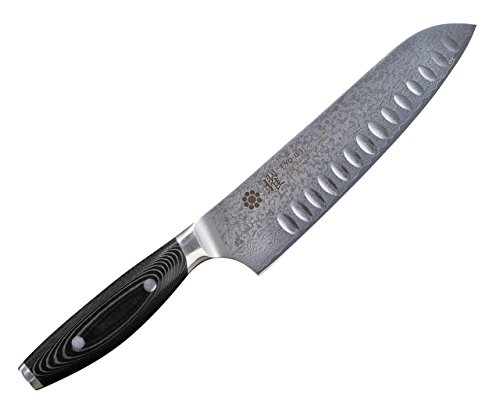
A 69-layer VG10 Damascus santoku forged in Seki, Gifu — Yaxell Ran channels 800 years of Mino bladesmithing…
Yamagata Imono spans 950 years of refined cast iron. Kikuchi Hojudo's thin-wall tetsubin softens tap water with a…
Inami's 250-year temple-carving lineage shapes owl okimono from camphor wood. Toyama editors curate US Amazon picks for collectors…
Onta-yaki (小鹿田焼) is the **mountain-village mingei pottery tradition of Sarayama**, in Hita City, northwestern Ōita Prefecture — practiced…
Iwatsuki ningyō (岩槻人形) is the **Japanese doll tradition of Iwatsuki** (now part of Saitama City) — practiced since…
Mashiko-yaki (益子焼) is the **mingei-tradition pottery of Mashiko**, in southeastern Tochigi Prefecture — a Kasama-yaki daughter kiln founded…
Hagi-yaki (萩焼) is the **tea-ceremony pottery of Hagi**, in northern Yamaguchi Prefecture — practiced continuously since 1604 when…
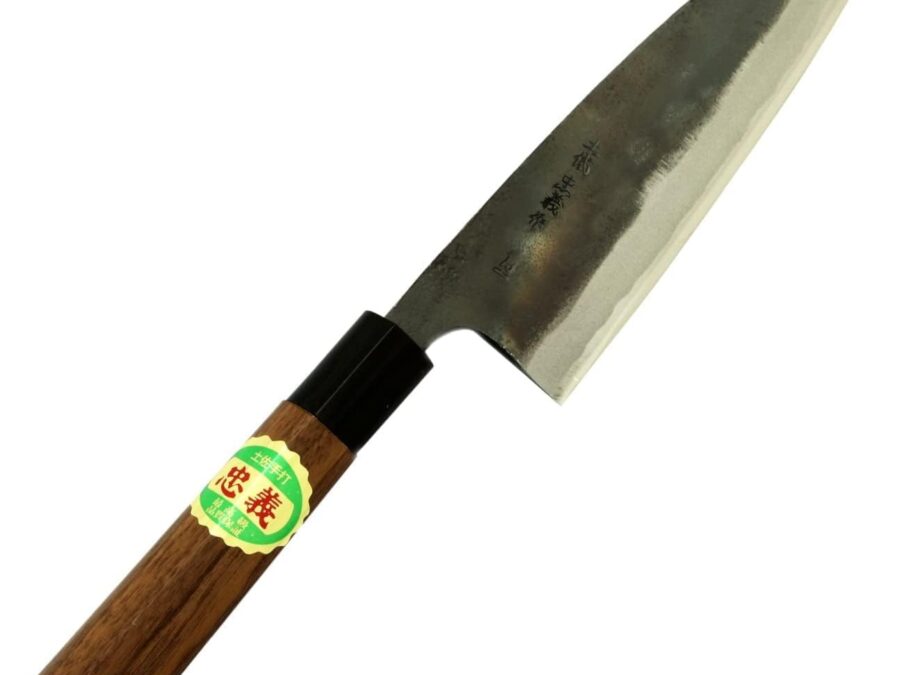
Tosa uchihamono (土佐打刃物) is the **forged-blade tradition of Kōchi Prefecture** on Shikoku — practiced continuously since the 16th…
Suruga take-sensuji-zaiku (駿河竹千筋細工) is the **fine bamboo basketry tradition of Shizuoka City** — practiced since the early 19th…
Kishū-shikki (紀州漆器) is the **lacquerware tradition of Kuroe, in northern Wakayama Prefecture** — practiced continuously since the late…
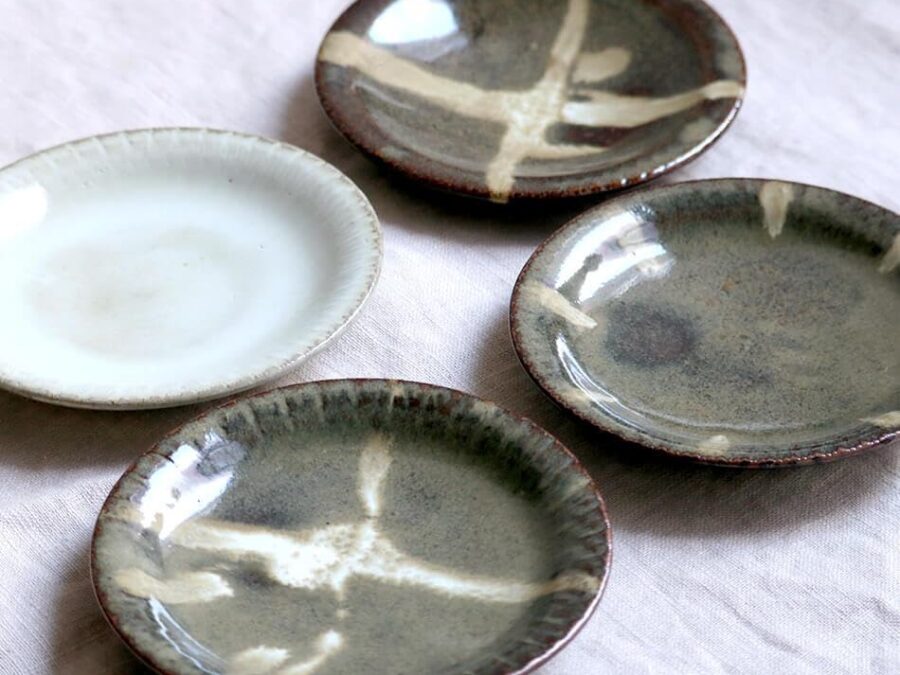
Shōdai-yaki (小代焼) is the **reduction-fired stoneware tradition of Arao** in northwestern Kumamoto Prefecture — practiced continuously since 1632…
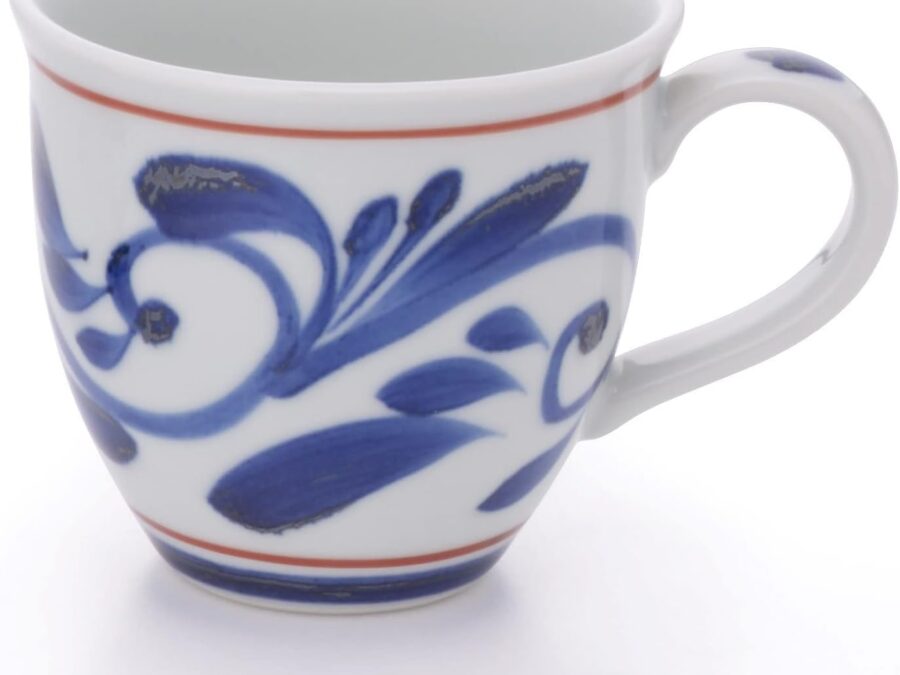
Tobe-yaki (砥部焼) is the **white porcelain tradition of Tobe Town**, in central Ehime Prefecture on Shikoku — practiced…
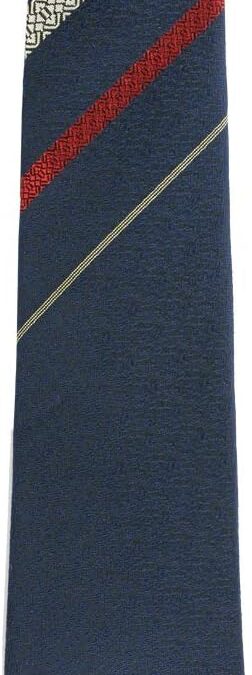
Hakata-ori (博多織) is the **silk-brocade weaving tradition of Hakata** in northern Fukuoka Prefecture — practiced continuously since 1241…
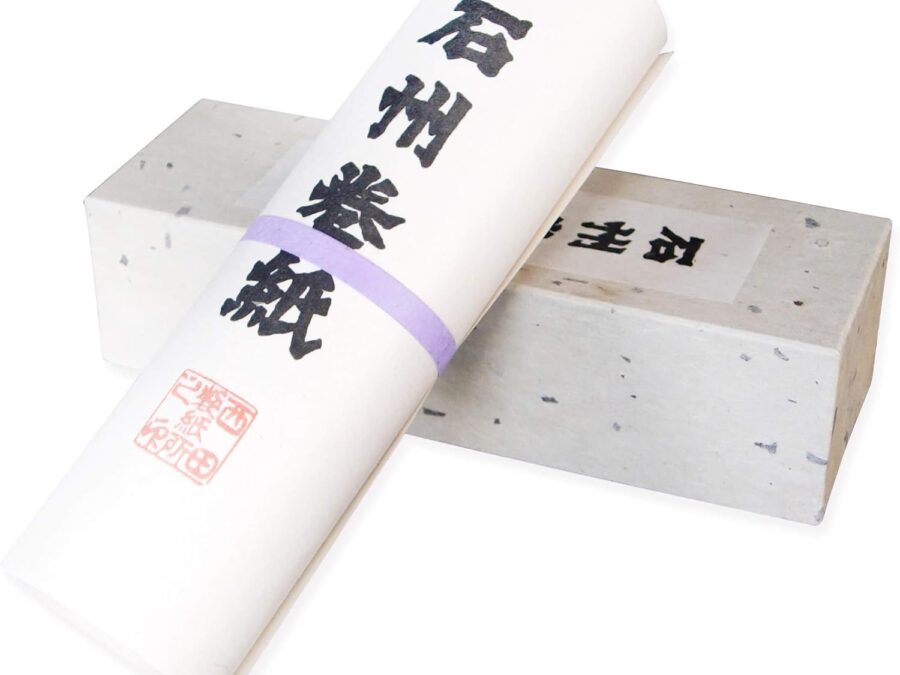
Sekishū-washi (石州和紙) is the **handmade paper tradition of Iwami region**, in western Shimane Prefecture — produced continuously since…