Shinshu Tsumugi Silk Card Case: Where to Buy Nagano Weave [2026]
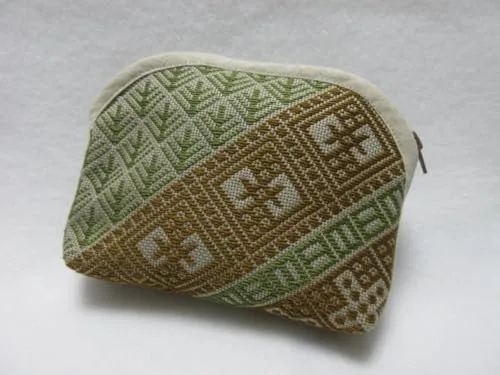
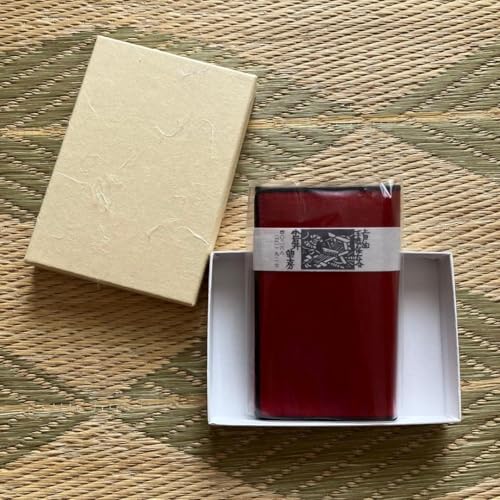
Hand-woven Shinshu Tsumugi silk from Nagano's old sericulture belt, plant-dyed and cut into a slim card case. Here…
Hand-woven Shinshu Tsumugi silk from Nagano's old sericulture belt, plant-dyed and cut into a slim card case. Here…
Hirado domain's official kiln still paints cobalt karako children on paper-thin white porcelain. A guide to buying a…
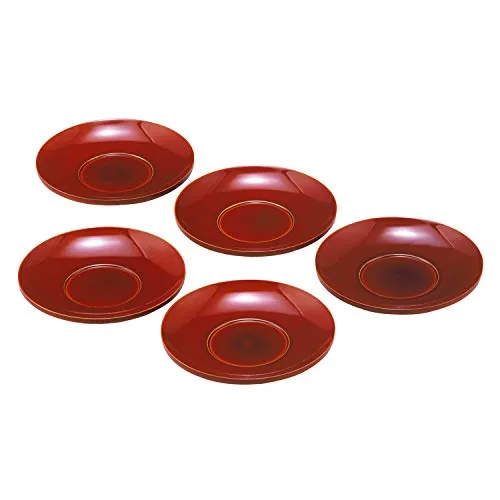
Hida Shunkei-nuri leaves the wood grain visible under clear amber urushi. These Takayama-made chataku saucers show why Gifu's…
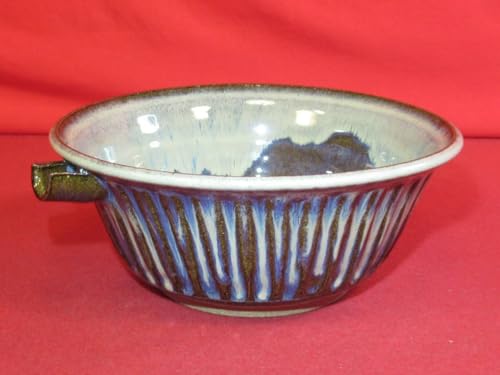
Shodai-yaki's straw-ash nagashi glaze has run over Kumamoto clay since 1632. Where to buy a katakuchi sake pourer,…
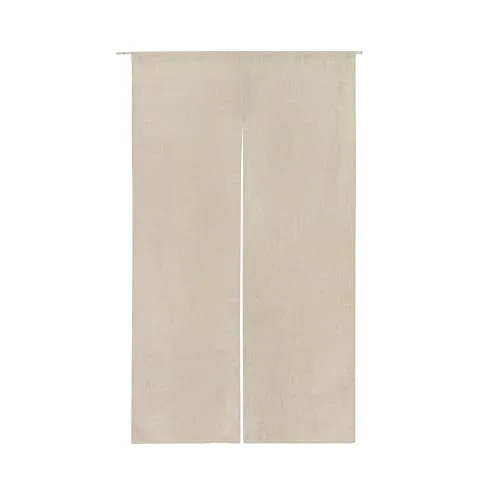
Enshu cotton stripe has been woven by the Tenryu River since Tokugawa times. Where to buy an authentic…
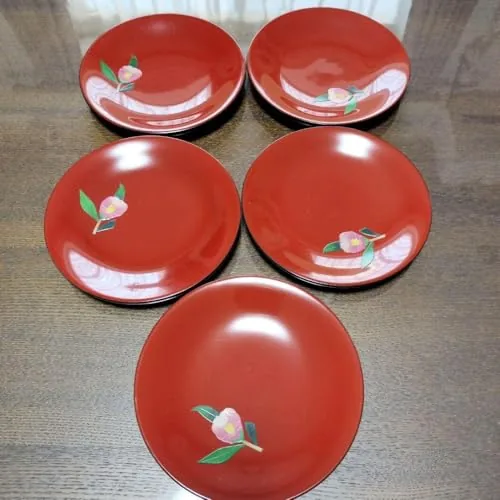
Okinawa's Ryukyu lacquerware carries tsuikin relief patterns pressed from colored lacquer dough. We break down what the kashizara…
Kurume Kasuri is one of Japan's three great kasuri traditions, woven from pre-dyed indigo threads whose blurred edges…
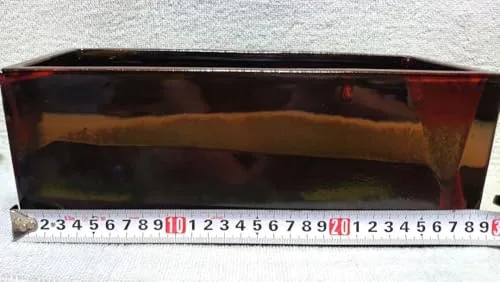
Fukushima's oldest kiln town makes a rectangular amber-glazed vessel built for pickling and oven work. What it costs,…
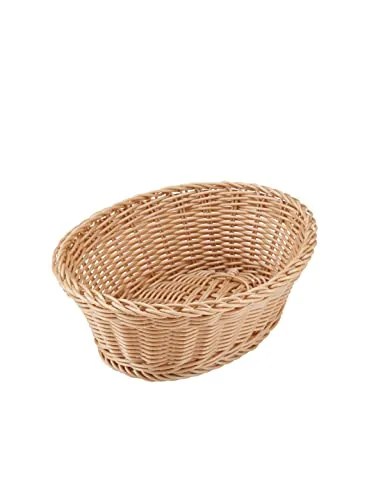
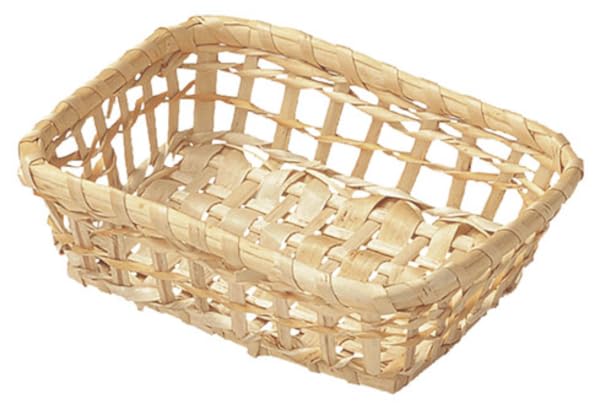
Beppu Takezaiku baskets are woven from Oita madake bamboo by hand, a craft grown from hot-spring souvenir workshops.…
Hasami-yaki is Nagasaki's 400-year porcelain tradition, now known worldwide for clean, stackable, matte-glazed tableware. Here is where to…
A Fukuoka kiln favored by tea master Kobori Enshu, Takatori-yaki pairs thin, refined walls with warm amber ash…
A hand-woven copper tea strainer from Kyoto's Kanaami wire-netting craft, its hexagonal kikko mesh braided entirely by hand…
Turned from Yakusugi, the ancient cedar of Yakushima's UNESCO forest, this tea caddy carries thousand-year growth rings and…
Kurume Kasuri, one of Japan's three great ikat weaves, turns hand-dyed indigo cotton into easy monpe trousers. Here's…
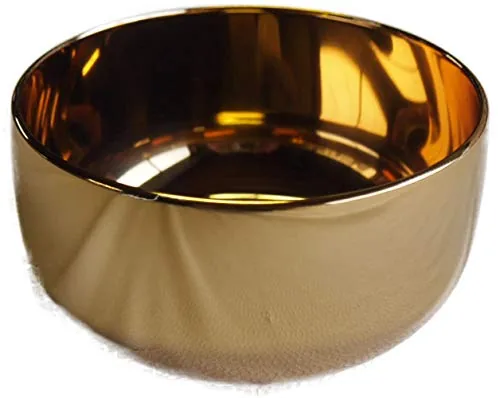
Takaoka is where roughly 90% of Japan's cast bronzeware is made, and its orin (rin gong) bells carry…
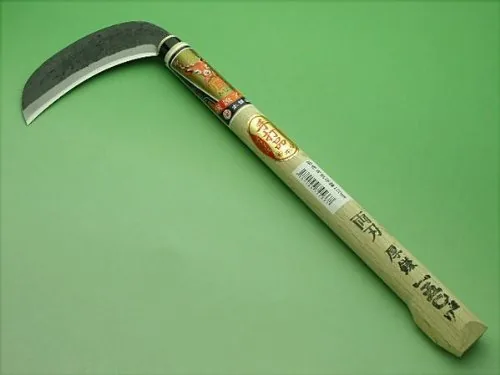
A free-forged Japanese grass sickle from Kochi's 400-year Tosa Uchihamono tradition. Learn what sets its jiyu-tanzo blade apart…
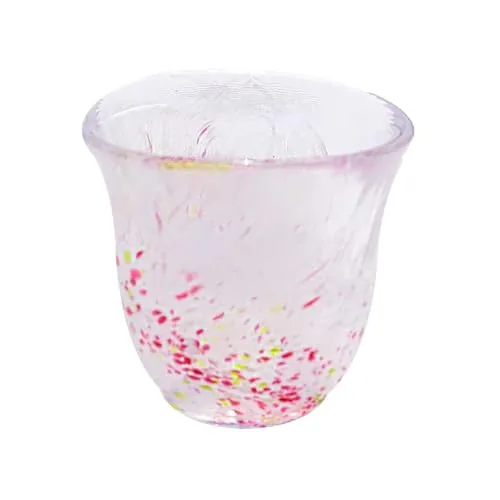
A hand-blown tumbler from Toyama, Japan's self-declared 'City of Glass,' where contemporary studio glassblowing grew directly out of…
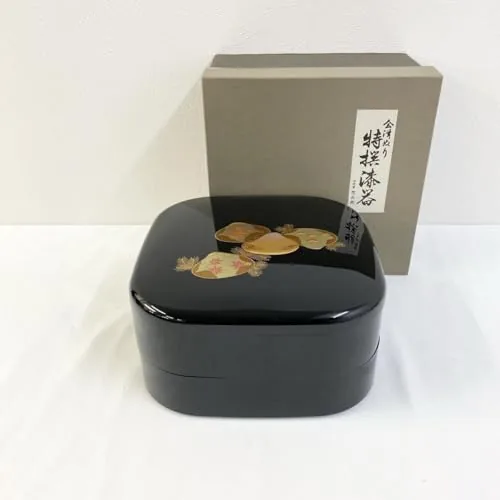
A two-tier Aizu-nuri jubako from Fukushima, finished in deep urushi lacquer with maki-e detail. Built for New Year…
Tsugaru Kogin-zashi is a counted-stitch embroidery born of Edo-era Aomori, white cotton worked into indigo hemp in geometric…
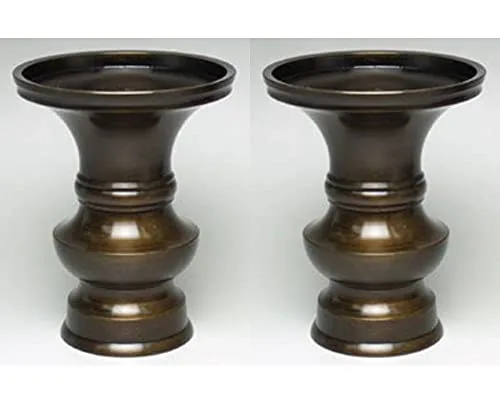
Takaoka Dōki is Japan's foremost bronze-casting craft, born in Toyama in 1611. This cast-bronze kabin flower vase pairs…
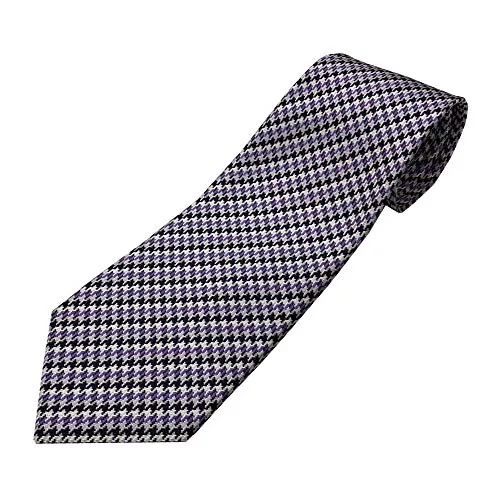
A yarn-dyed jacquard tie woven in Kyoto's Nishijin district, where court weavers have worked silk since the Heian…
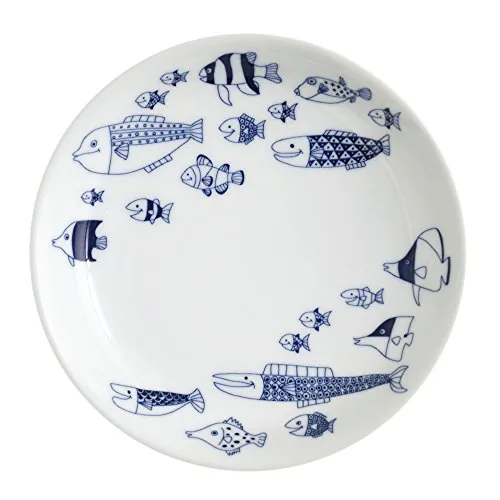
Tsuboya-yaki is Okinawa's signature 'yachimun' pottery, thick-bodied and boldly glazed. This hand-thrown 5-sun plate carries the classic fish…
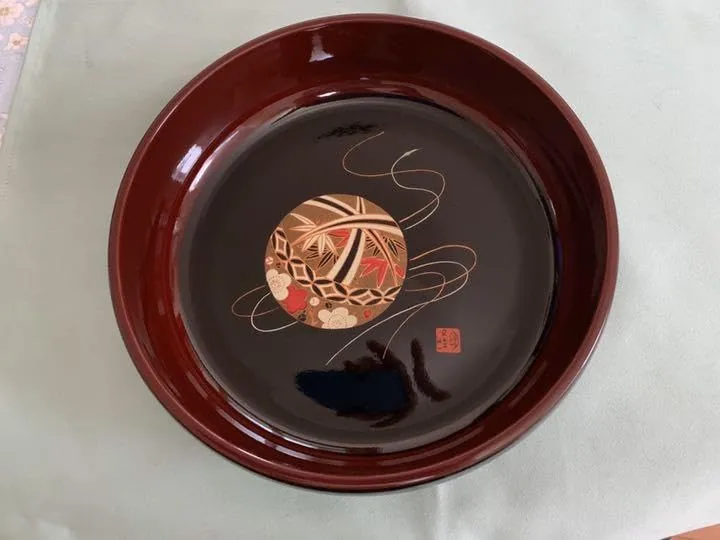
A hand-lacquered Aizu obon serving tray from Fukushima, decorated in gold makie over deep urushi. One of Japan's…
Obori Soma-yaki double-walled yunomi from Fukushima stay cool to hold yet keep tea hot, glazed in aoi-hibi blue…
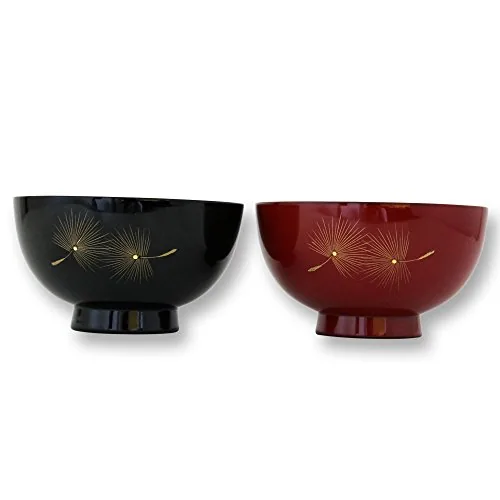
Wajima Nuri, Japan's most revered urushi lacquerware, makes soup bowls that pair a jinoko-hardened wood core with a…
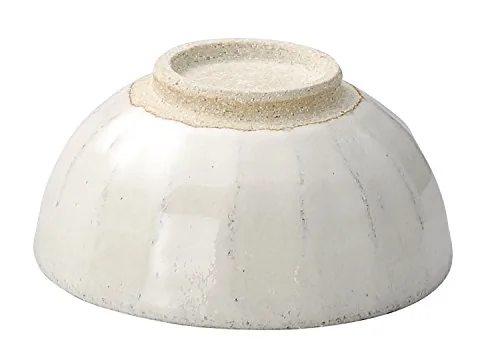
Mino-yaki from eastern Gifu produced Japan's first white glaze, Shino. This warm milk-white donburi rice bowl carries that…
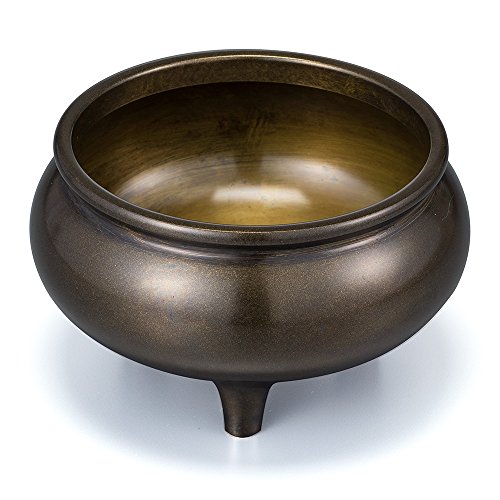
Takaoka Doki is Japan's foremost bronze-casting tradition, born in 1611 Toyama. This hand-cast koro incense burner carries a…
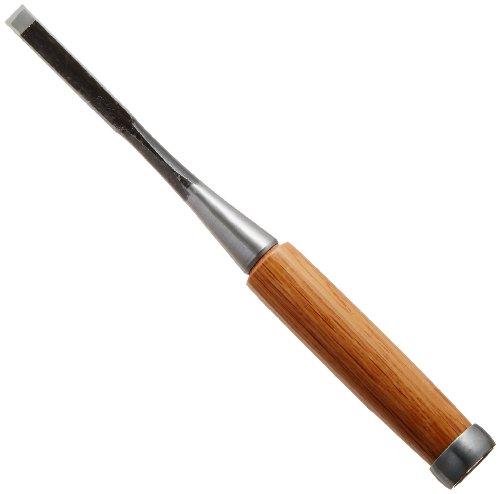
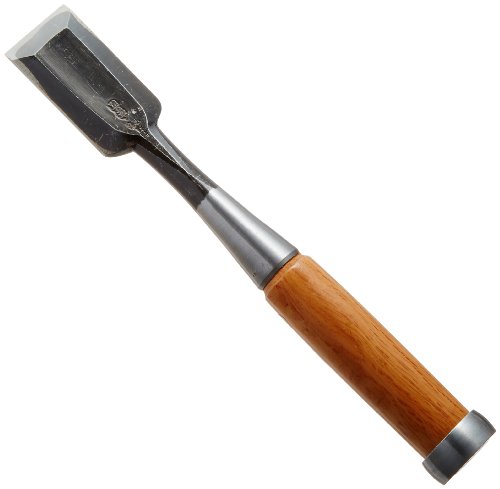
Miki Uchihamono oire-nomi are laminated white-steel bench chisels from Hyogo's carpentry-tool capital, born from the rebuilding after Hideyoshi's…
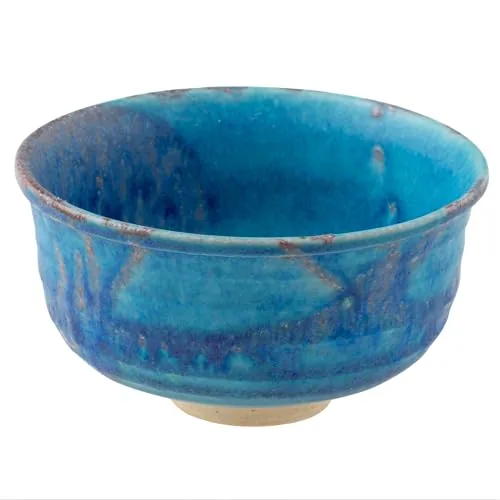
A wood-fired Shigaraki-yaki matcha chawan from Shiga, one of Japan's Six Ancient Kilns. Coarse local clay, natural ash-glaze…
A hand-forged laminated bench chisel from Banshu Miki, Hyogo — Japan's great hardware town. Blue-steel edge, red-oak handle,…
Omi-Jofu is Shiga's nationally designated ramie textile, hand-woven along the Aichi River east of Lake Biwa. This airy…
Izushi-yaki is Japan's rare pure-white porcelain from Tajima. Here is where to buy a translucent, relief-carved coffee cup…
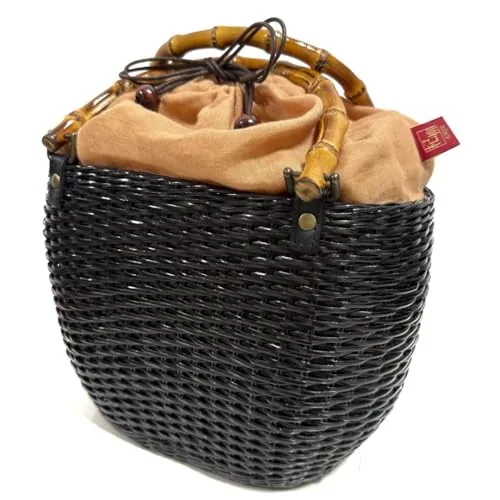
Toyooka's Kiryu-zaiku willow baskets are woven from Maruyama River basket willow—a Tajima craft traced to a Nara-period box…
A hand-woven willow basket from Toyooka in northern Hyogo, where 1,200 years of Tajima wickerwork seeded Japan's largest…
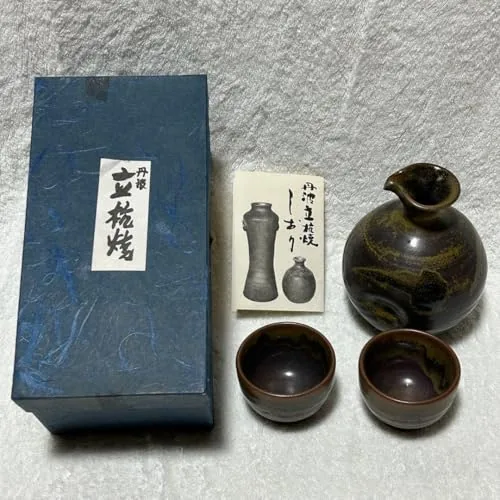
One of Japan's Six Ancient Kilns, Tanba-Tachikui ware turns iron-rich clay into a natural ash glaze. What to…
Tamba Tachikui-yaki is one of Japan's Six Ancient Kilns, fired near Sasayama for over 800 years. This unglazed…
Shigaraki ware is one of Japan's Six Ancient Kilns, fired in the Shiga hills where Emperor Shomu once…
A cast-bronze orin (rin) bell from Takaoka, the 400-year foundry town that cast Toyama's Great Buddha. We break…
Kagawa Shikki is Shikoku's carved lacquer tradition from the Takamatsu domain. Here's where to buy an authentic Kinma-decorated…
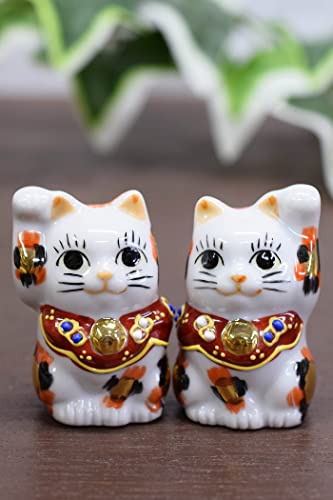
The Kutani-yaki maneki-neko is the premium standard for Japan's lucky cat: hand-painted in Kutani's five overglaze colors and…