Kagawa Shikki Kinma Lacquer Bowl: Where to Buy Sanuki Lacquerware [2026]
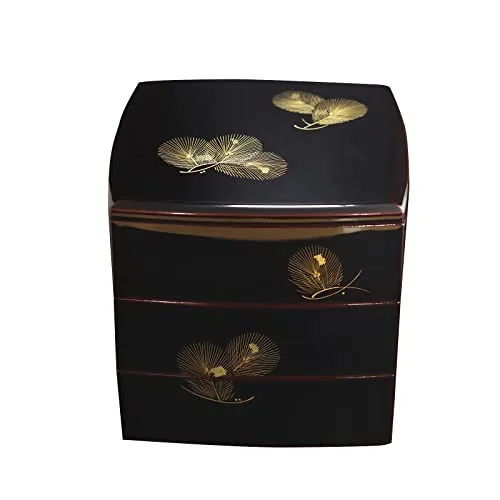
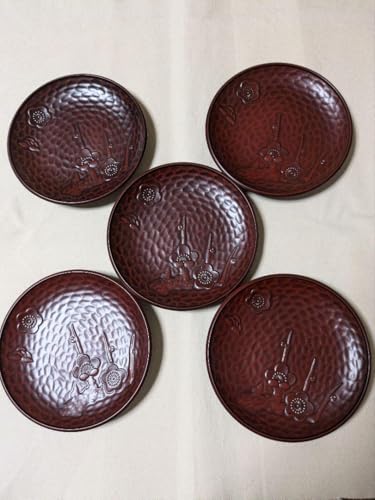
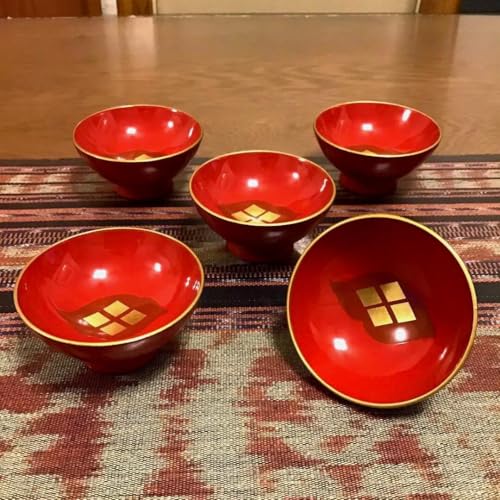
Kagawa Shikki (Sanuki lacquerware) carries the incised, color-filled Kinma technique revived by Tamakaji Zokoku under the Takamatsu domain.…
Kagawa Shikki (Sanuki lacquerware) carries the incised, color-filled Kinma technique revived by Tamakaji Zokoku under the Takamatsu domain.…
Kaga Yuzen is Kanazawa's hand-painted silk dyeing, built on five earthy Kaga colors and realistic, insect-bitten leaves. Here…
A hand-finished pure-tin chazutsu from Osaka's Naniwa Suzuki tradition. Soft, malleable tin forms a near-airtight double lid that…
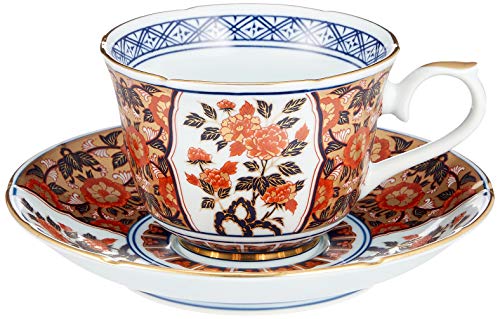
Ishikawa's Kutani ware paints its famous five-color gosai overglaze onto a Western-style coffee cup and saucer, pairing 360-year…
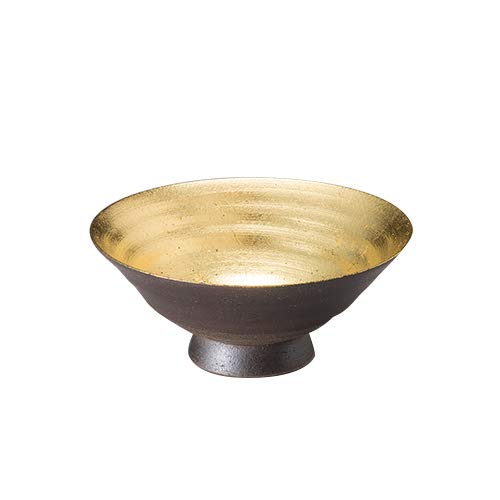
Kanazawa produces nearly all of Japan's gold leaf. This gilded lacquer sakazuki pairs a turned-wood core with Kaga's…
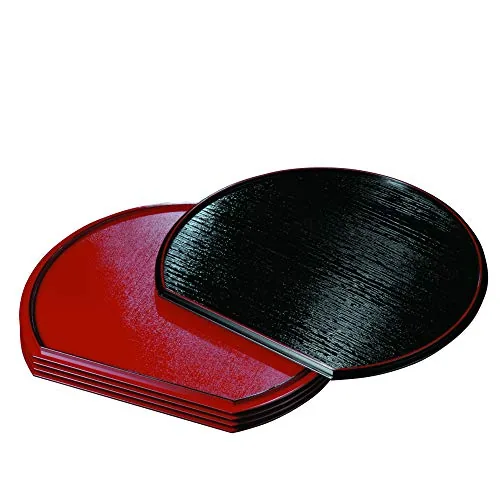
Echizen Shikki is one of Japan's largest urushi lacquer centers, with roughly 1,500 years of history in Fukui.…
Nousaku's KAGO is cast from 100% tin so soft you bend it by hand into a bowl or…
Kaga's Kutani ware turns five-color overglaze enamel into a daily coffee mug. A Japanese editorial team explains the…
Moka Momen was Edo's most prized cotton, once supplying the shogun's capital with its finest cloth. This indigo-dyed…
Choshi Chijimi is a rare indigo cotton crepe from Chiba's Tone River port, its twisted-weft shibo texture making…
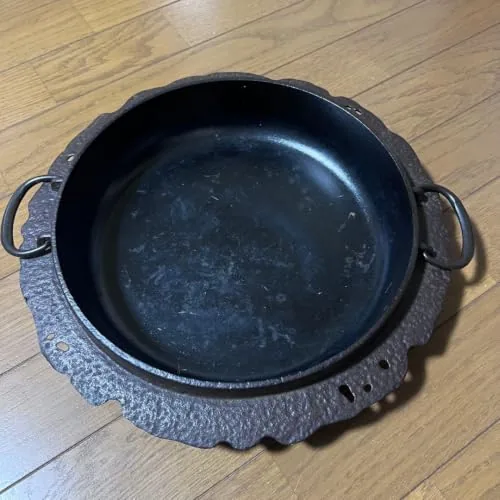
Born from the Mamigasaki River's molding sand nearly 900 years ago, Yamagata Imono's thin-cast iron sukiyaki nabe sears,…
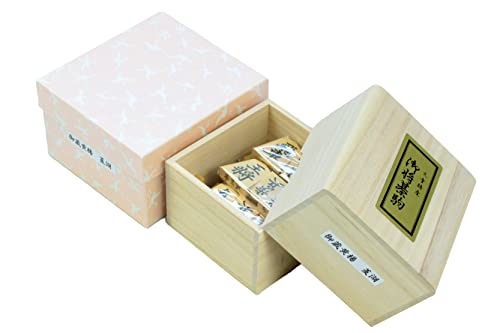
Tendo in Yamagata makes most of Japan's shogi pieces, a craft born among Oda-clan samurai. A guide to…
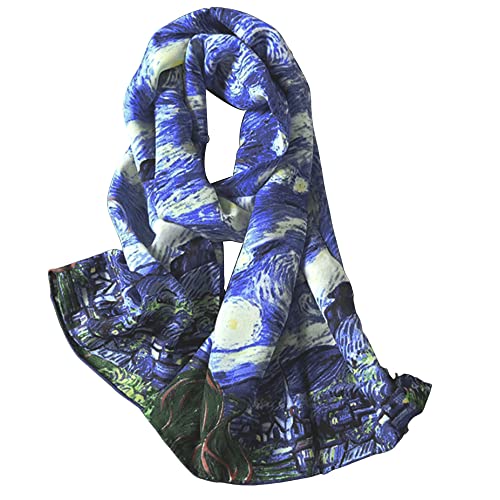
A hand-screen-printed pure silk scarf from Yokohama, the port city that once shipped most of Japan's raw silk…
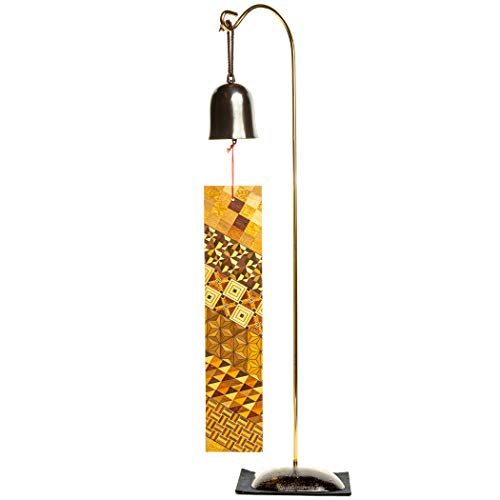
A hand-cast sahari bronze wind chime from Odawara, the Hojo clan's castle town whose foundries have tuned high-tin…
This is the family of crafts that doesn't fit anywhere else — and contains some of Japan's most…
Cast-iron kettles from Iwate, hand-hammered copper from Tsubame, tin sake cups from Osaka, bronze bells from Takaoka —…
Japan builds in wood the way other cultures build in stone — and the small objects inherit the…
Most of Japan's blade towns began as sword towns — when the samurai era ended, the forges turned…
Indigo cotton from castle towns, silk from snow country, hemp crepe bleached on spring snowfields — Japanese regional…
Urushi — sap of the lacquer tree, layered and polished over weeks — is Japan's oldest luxury finish,…
Japan has been firing ceramics for longer than almost anywhere on earth — from the six ancient kilns…
Sanuki lacquerware from Takamatsu revives the kinma technique—lines carved into cured urushi, then packed with colored lacquer—on a…
Born in the Zen temples of Japan's first samurai capital, Kamakura-bori carves wood into peony relief and layers…
A hand-forged double-bevel nakiri from Nagano's Shinshu Uchihamono smiths, whose fire-forged, thin, feather-light blades trace back to swordsmiths…
Kawajiri Uchihamono is Kumamoto's port-town blacksmith tradition, born under Kato Kiyomasa and the Hosokawa domain. Here is where…
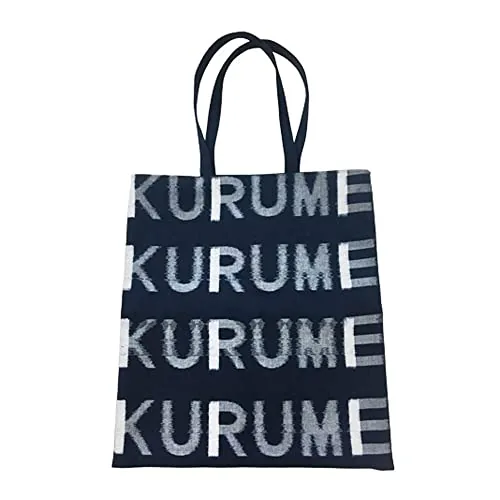
Kurume Kasuri is one of Japan's three great ikat weaves, hand-tied and indigo-dyed in Fukuoka's Chikugo plain since…
Onta-yaki is Oita's living folk-pottery village, and its chatter-marked tobikanna plates carry 300 years of one-family-per-kiln craft. Here…
A single-bevel usuba from Kawashiri, the medieval Midorikawa port town where Higo blacksmiths turned river-trade iron into blades.…
Shodai-yaki katakuchi from the foot of Mt. Shodai in Kumamoto pours straw-ash glaze in dramatic cascading streaks over…
A vermilion urushi sake cup crowned with Hidehira-nuri's signature gold-leaf clouds, carrying the golden aesthetic of Hiraizumi's 12th-century…
Yamanaka-nuri lacquer soup bowls pair Ishikawa's finest rokuro woodturning with black-and-vermilion urushi. Here is where to buy an…
Fukuoka's Hakata-ori is a 770-year silk weave whose ridged kenjo sash was presented yearly to the Kuroda lords.…
Wajima-nuri chopsticks are urushi ohashi built on Wajima's jinoko undercoat, layered through 100-plus steps for a durability and…
Kishu Negoro-nuri layers vermilion urushi over a black ground so the red wears back to reveal black—the quiet…
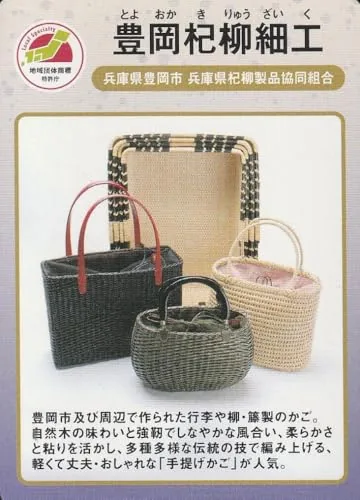
Toyooka Kiryu Zaiku is Hyogo's 1,000-year willow craft, born on the Maruyama River floodplain and once presented to…
Echizen Tansu pairs solid keyaki (zelkova) joinery with thick hand-forged iron hardware, a Fukui chest tradition born where…
Gokayama Washi is thick, strong kozo paper handmade in Toyama's World Heritage gassho villages. This letter set pairs…
Johana Shike-kinu is Toyama's last surviving slub-silk weave, born in a Jodo Shinshu temple town. Woven from double…
Inami woodcarving turns a single block of zelkova into a deep, openwork relief panel. Rooted in the temple…
Ueda Tsumugi is one of Japan's three great silk pongees, woven in Nagano's old Sanada castle town. This…