Inami Choukoku Carved Owl Ornament: Toyama Woodcarving Guide [2026]
A hand-carved camphor-wood owl from Inami, Japan's largest woodcarving town, where temple craftsmen turned transom carving into deep-relief…
Editorial features on Japan's regional crafts — the makers, the materials, and the places each piece comes from.
A hand-carved camphor-wood owl from Inami, Japan's largest woodcarving town, where temple craftsmen turned transom carving into deep-relief…
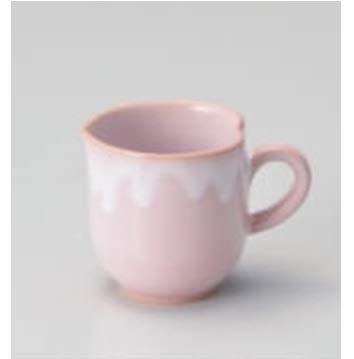
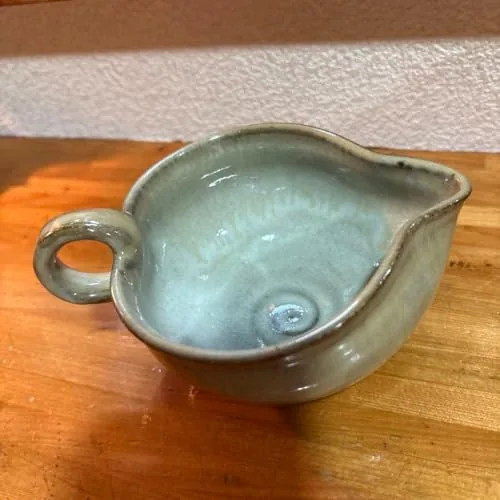
Hirashimizu-yaki fires iron-rich clay from Mt. Chitose into a creamy 'lingering snow' glaze. A quiet mingei mug from…
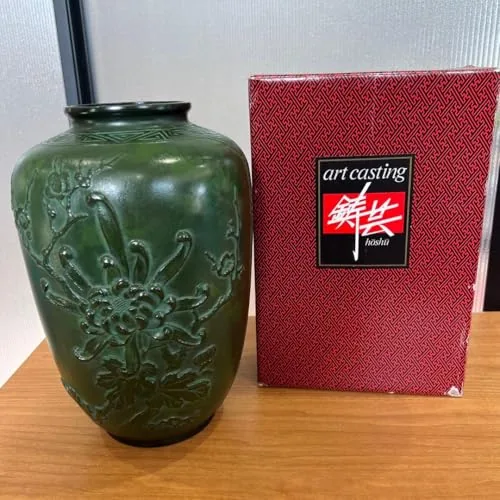
Takaoka casts most of Japan's bronze. This flower vase, finished with the city's signature chakushoku metal-coloring, carries four…
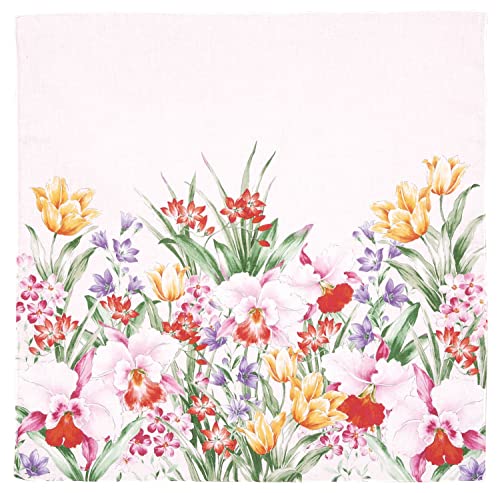
Kaga Yuzen is Kanazawa's hand-painted silk dyeing, defined by the muted Kaga gosai palette and realistic bird-and-flower motifs.…
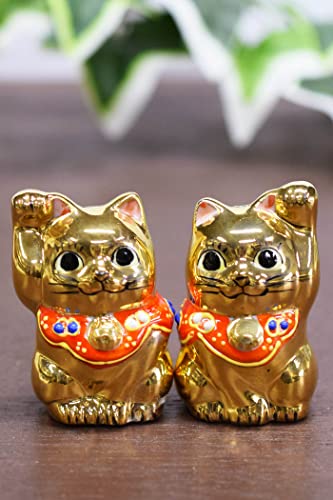
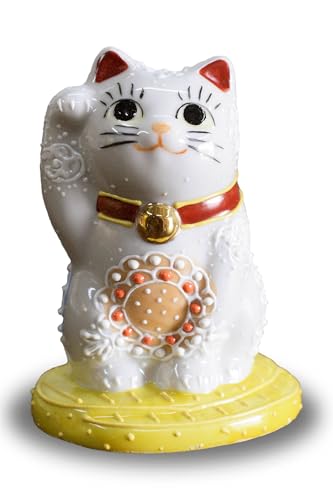
A hand-painted Kutani-yaki beckoning cat from Ishikawa brings the bold five-color overglaze and gold detailing of Kaga's million-koku…
Aizu Hongo-yaki is Tohoku's oldest ceramic tradition, born from castle roof tiles ordered by lord Gamo Ujisato. Its…
Yamagata Imono is one of Japan's oldest casting traditions, born on the Mamigasaki River in 1057. This cast…
A hand-painted Kutani-yaki maneki-neko brings Kaga's 360-year overglaze porcelain tradition home — five-color gosai enamels and gold leaf…
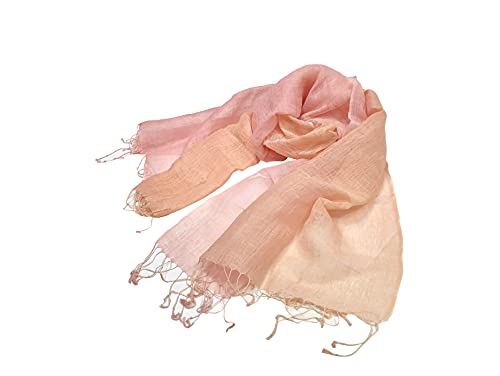
Yonezawa-ori is Yamagata's samurai-domain silk, revived by reformer Uesugi Yozan and dyed with the prefecture's prized safflower. A…
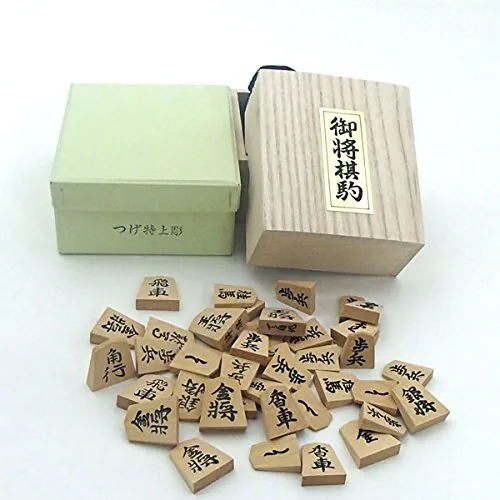
Tendo in Yamagata carves roughly 95% of Japan's shogi pieces, a craft born when impoverished samurai took up…
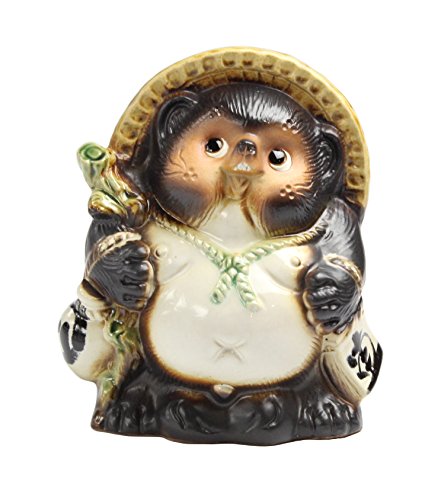
The Shigaraki-yaki tanuki is Japan's most recognizable good-luck figurine, hand-shaped from iron-rich Shiga clay at one of the…
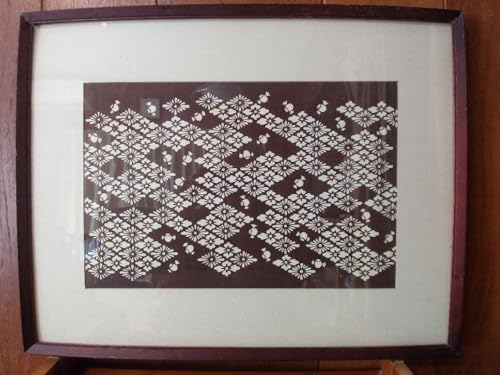
Ise Katagami is the thousand-year stencil-paper craft of Suzuka, Mie—washi hardened with persimmon tannin, then hand-carved into lace-fine…
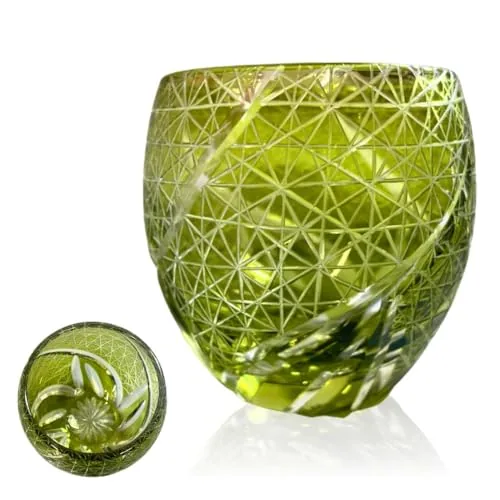
Edo Kiriko is Tokyo's colored cut-glass craft, born in 1834 Edo and refined with British technique in Meiji.…
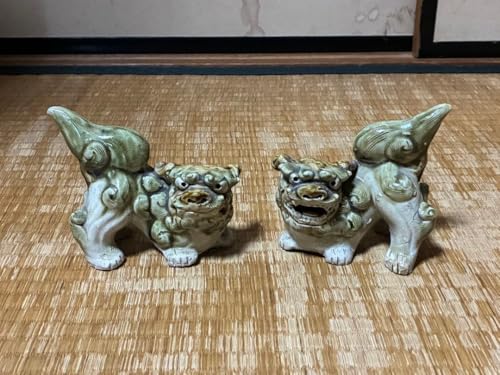
Tsuboya-yaki is Okinawa's flagship ceramic craft, born from the Ryukyu Kingdom's royal kilns. We cover where to buy…
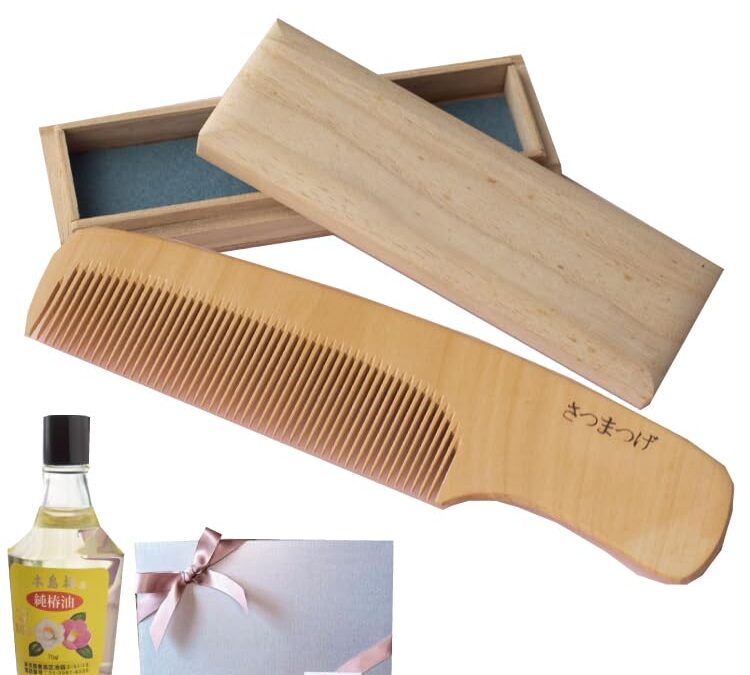
A hand-cut comb of dense Satsuma boxwood, seasoned for years in camellia oil. Antistatic, gentle on hair, and…
A small drawered paulownia chest from Kasukabe, Saitama's old paulownia-joinery town. Featherlight, humidity-buffering, and insect-resistant kiri wood made…
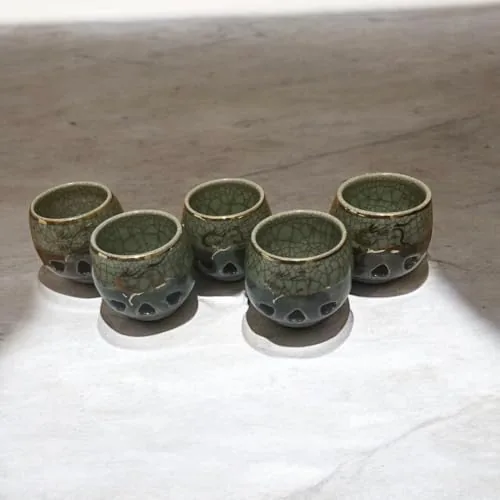
Fukushima's coastal flagship kiln: a double-walled (nijuyaki) sake cup glazed in cracked aohibi blue and brushed with the…
Matsusaka Momen is the indigo-striped cotton that made Edo-era merchants fashionable nationwide. Hand-loomed in Mie, its quiet stripes…
Echizen-yaki is one of Japan's Six Ancient Kilns, fired unglazed from iron-rich Fukui clay so falling wood ash…
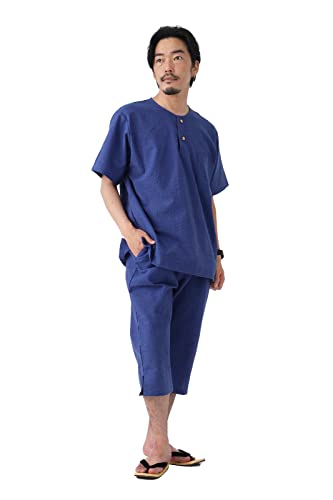
A breathable Awa Shijira-ori jinbei from Tokushima — puckered indigo cotton woven to barely touch the skin. Here…
Shodai-yaki is Kumamoto's flagship stoneware, born from the Hosokawa clan's 1632 transfer to Higo. Its poured-glaze katakuchi pourer…
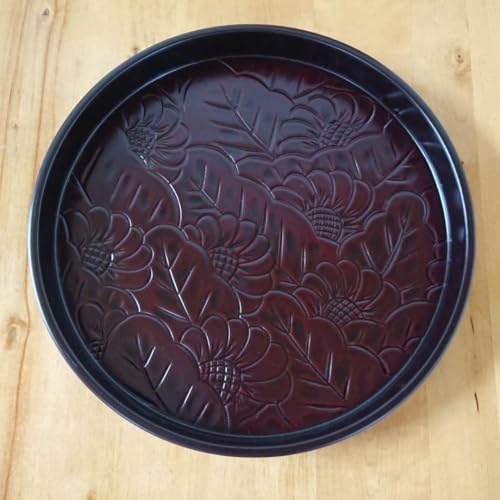
Kamakura-bori carves a pattern into katsura wood before layering urushi lacquer—a Zen-temple craft born from imported Song carved…
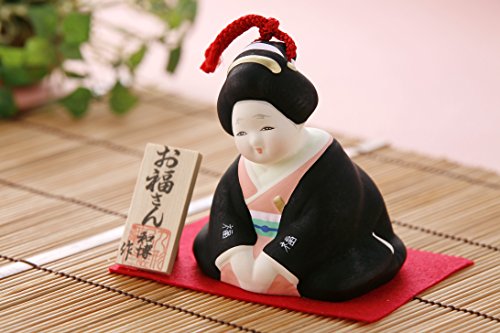
Hakata Ningyo are unglazed, bisque-fired clay figurines painted with quiet precision in Fukuoka. We sort out the real…
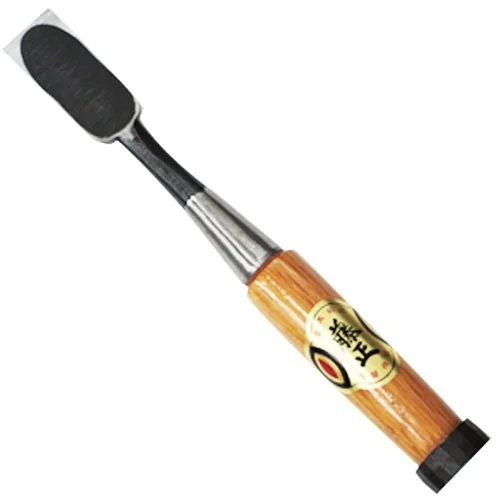
Banshu Miki's hand-forged oire-nomi bench chisel laminates hard white steel to soft iron for a keen, re-sharpenable edge…
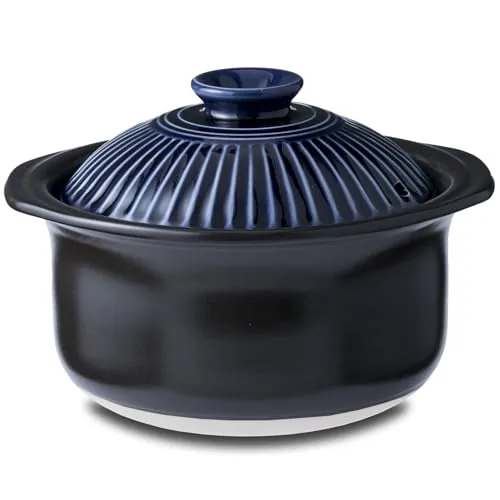
Yokkaichi's Banko-yaki produces roughly 80% of Japan's donabe. High-petalite clay survives direct flame, making this earthen pot ideal…
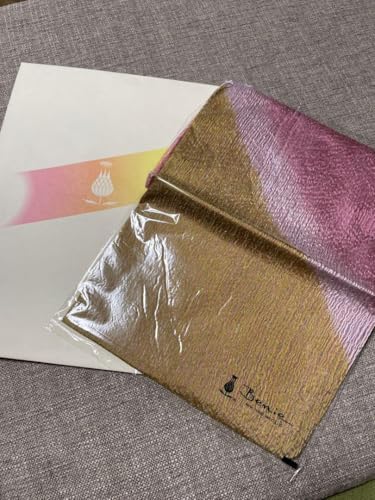
Yonezawa-ori is the silk that saved a bankrupt domain. Woven in Yamagata and colored with Mogami safflower (benibana),…
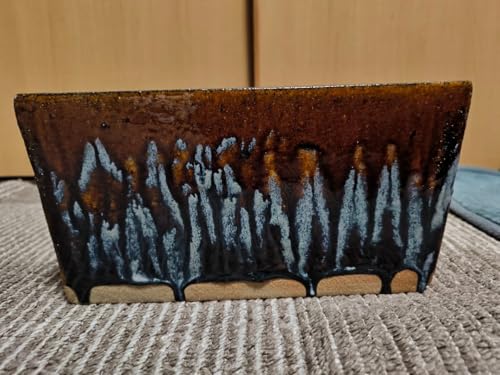
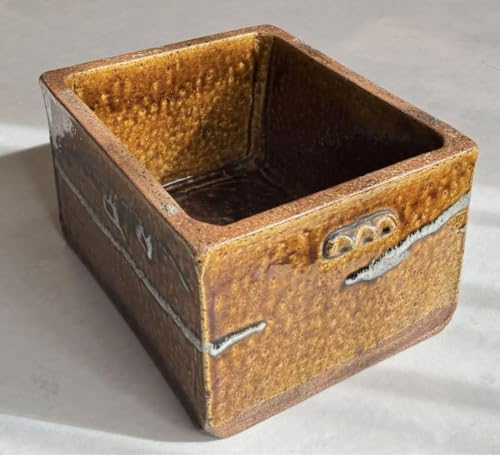
Aizu Hongo-yaki is Tohoku's oldest kiln town, and its amber-glazed nishin-bachi—a lidded square pot for simmering dried herring—carries…
Aizu Hongo-yaki is the oldest pottery in the Tohoku region, born from castle roof tiles in 1593. Its…
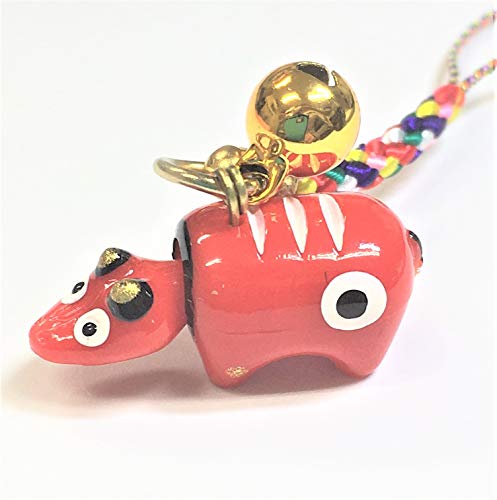
A nodding red ox from Aizu, Fukushima — a 1,200-year-old papier-mâché charm against misfortune. Where to buy authentic…
Ojiya Chijimi is Niigata's snow-country ramie crepe, woven from hand-spun choma fiber and bleached on the snow. A…
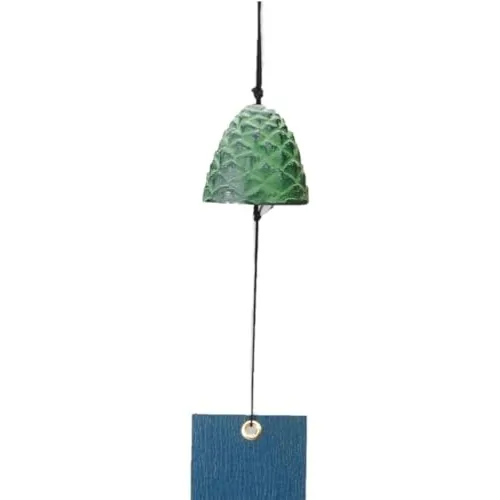
Iwate's Nambu ironware isn't only kettles. A cast iron furin rings with a clear, lingering summer tone born…
Kurume Kasuri is one of Japan's three great ikat traditions, hand-tied and indigo-dyed thread by thread in Fukuoka.…
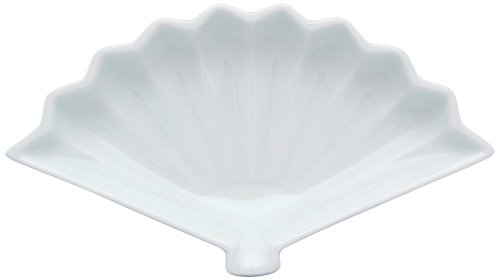
Izushi-yaki is the only pure-white porcelain among Japan's traditional crafts, fired in the Tajima castle town of Izushi.…
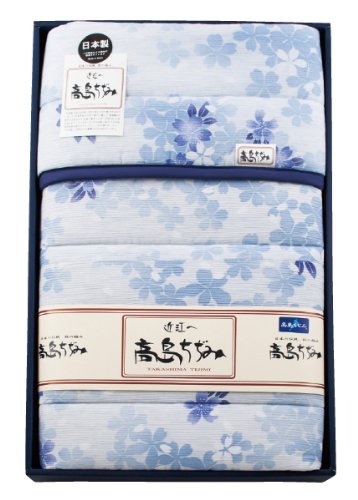
Woven on the soft water of Lake Biwa, Takashima Chijimi is Japan's foremost crepe cotton — its high-twist…
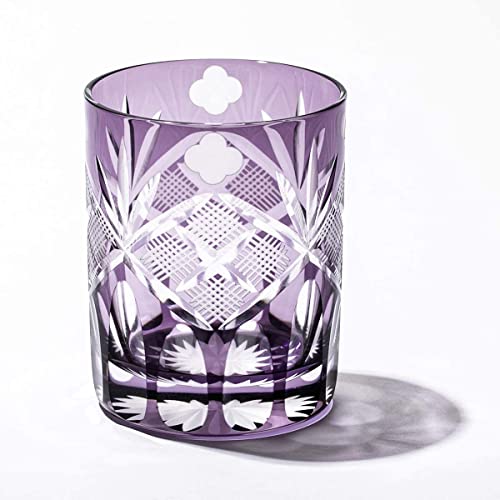
Edo Kiriko is Tokyo's hand-cut glass craft, born in 1834 Edo. This faceted whisky glass throws prismatic light…
Bingo Kasuri from Fukuyama is one of Japan's three great kasuri. This indigo-dyed cotton tote turns hand-resisted ikat…
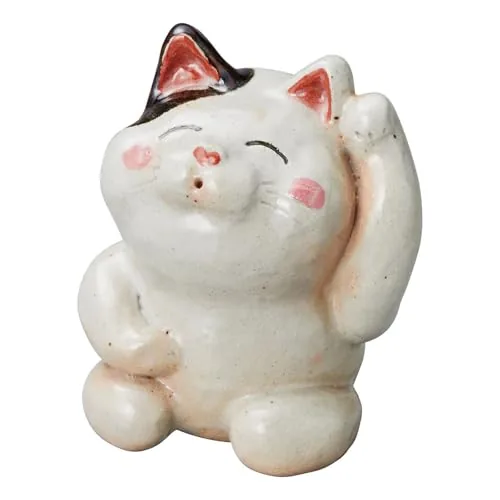
A hand-painted ceramic beckoning cat from Seto, the Aichi kiln town that gave Japanese the very word for…
Omi Jofu is a ramie-and-hemp summer cloth woven on the humid eastern shore of Lake Biwa and carried…
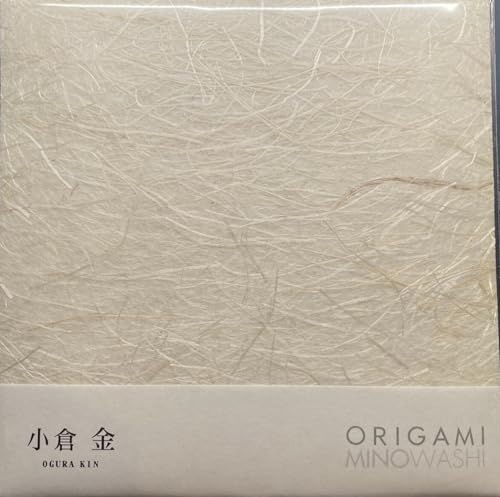
Mino washi, Gifu's UNESCO-listed handmade paper, brings over a thousand years of even nagashizuki craft to origami sheets…
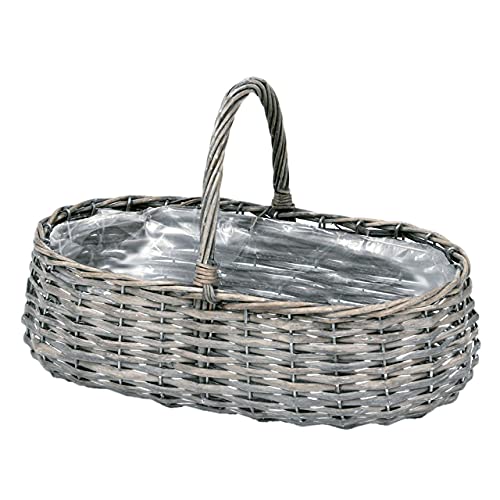
Beppu Takezaiku is Japan's only nationally designated bamboo craft, hand-woven from local madake using eight base techniques refined…