Odawara Shikki Keyaki Woodgrain Lacquer Soup Bowl Guide [2026]
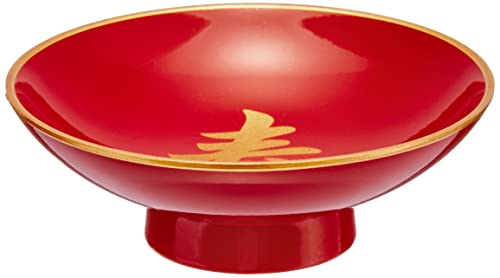
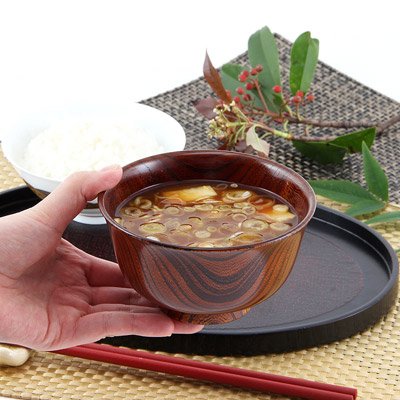
A wiped-lacquer (suri-urushi) soup bowl turned from zelkova in the old Hojo castle town of Odawara, where the…
Editorial features on Japan's regional crafts — the makers, the materials, and the places each piece comes from.
A wiped-lacquer (suri-urushi) soup bowl turned from zelkova in the old Hojo castle town of Odawara, where the…
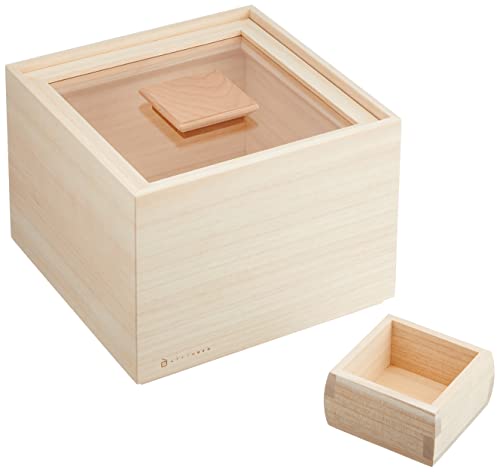
Saitama's Kasukabe paulownia (kiri) joinery turns moisture-regulating, insect-resistant wood into a kome-bitsu rice container with a measuring lid…
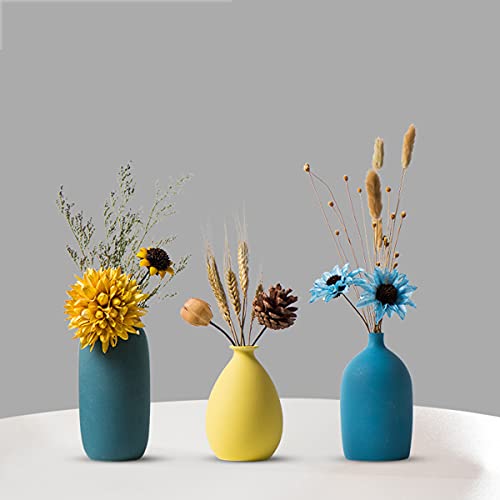
One of Japan's Six Ancient Kilns, Bizen ware is unglazed, wood-fired stoneware whose porous body keeps water fresh…
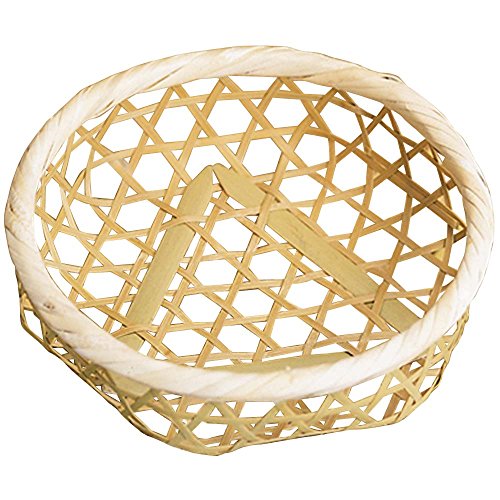
From Japan's largest bamboo-craft region in Oita, a hand-woven madake kago shaped by centuries of Beppu hot-spring trade…
Suruga Sashimono is Shizuoka's nail-less joinery craft, born from master carpenters who gathered to rebuild Sengen Shrine. This…
Hirashimizu-yaki from Yamagata City fires a pear-skin 'nashi-seiji' celadon found nowhere else. This guide covers the kiln's iron-flecked…
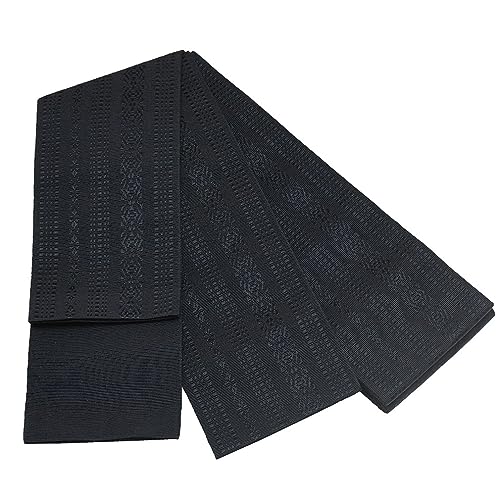
Hakata-ori is Fukuoka's flagship silk weave, taut and ribbed so the sash holds its knot. Here is where…
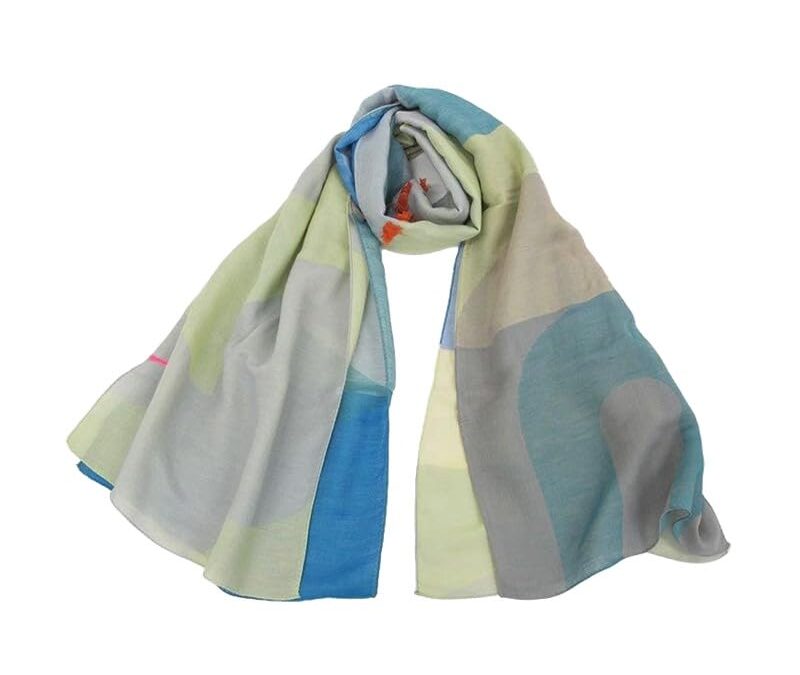
A lightweight all-season stole woven in Nishiwaki, Hyogo from sakizome (yarn-dyed) cotton. We explain how Banshu-ori's soft-water dyeing…
A single sheet of copper, raised entirely by hammer in Niigata's Tsubame-Sanjo metal town. We cover what makes…
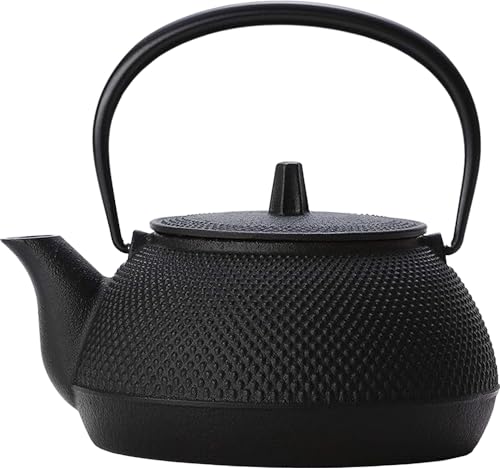
Where to buy a Nambu Tekki cast iron teapot from Iwate — an enamel-lined kyusu built to brew…
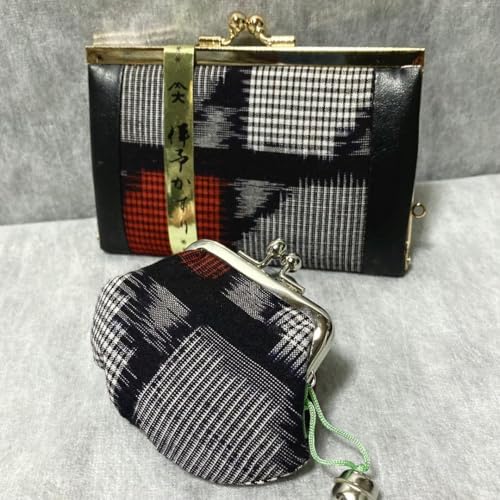
Iyo-gasuri is one of Japan's three great kasuri weaves, born in Matsuyama. This clasp-frame gamaguchi coin purse carries…
Iida in southern Nagano makes roughly 70% of Japan's mizuhiki — the stiffened washi cords tied into auspicious…
Echizen-yaki is one of Japan's Six Ancient Kilns, fired unglazed in Fukui since the late 12th century. This…
Tosa's free-forged kuro-uchi nakiri pairs a rustic black blacksmith finish with a flat edge built for clean vegetable…
Edo Komon is Tokyo's stencil-dyed textile born from samurai kamishimo formalwear — solid from afar, ultra-fine pattern up…
Yuki Tsumugi is Ibaraki's UNESCO-listed silk, hand-spun from floss silk without twist and woven on a back-strap loom.…
Ojiya Chijimi is Niigata's snow-country ramie cloth, hand-twisted into a crinkled shibo crepe and snow-bleached on spring fields.…
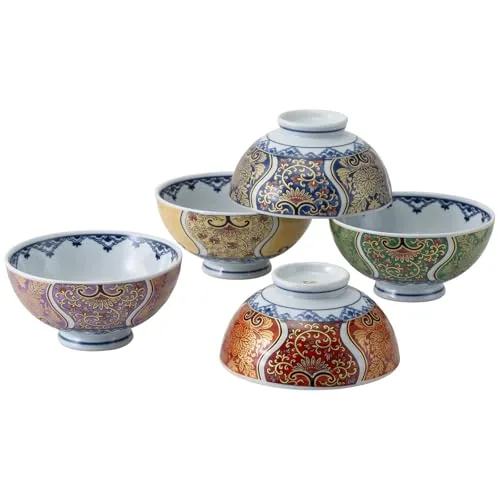
Gifu's Mino-yaki is the kiln region behind nearly half of Japan's tableware. This Oribe square plate revives the…
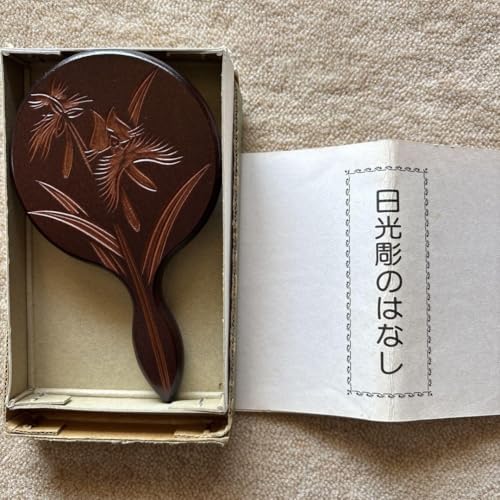
Nikko-bori carving descends from the artisans who rebuilt Nikko Toshogu. This wooden hand mirror shows the flowing hikkaki-knife…
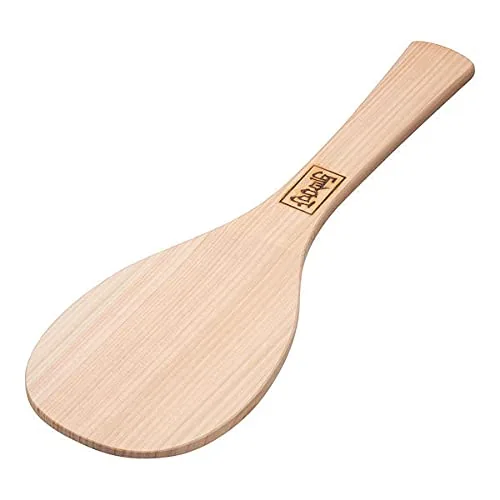
Miyajima-zaiku shamoji are the wooden rice paddles born at the gate of Itsukushima Shrine, carved from cypress and…
A hand-painted Kyo-yaki / Kiyomizu-yaki matcha chawan from Kyoto's Gojozaka kilns — the colored-overglaze tea bowl born in…
Edo Sashimono is Tokyo's nail-free joinery craft, fitting island-mulberry boards with hidden mortise-and-tenon joints. We break down what…
Aizu Momen is the sturdy striped cotton of Fukushima's old castle town, woven since the days of lord…
Omi-jofu is Shiga's METI-designated ramie linen, woven along Lake Biwa's humid east shore and spread nationwide by the…
Hosokawa-shi from Ogawa, Saitama is one of three Japanese handmade washi traditions inscribed by UNESCO. Made from 100%…
Kurume Gasuri is the indigo cotton ikat born in Fukuoka's Chikugo plain around 1800. Here is where to…
Edo Komon is Tokyo's samurai-era stencil-dyed silk, its tiny komon pattern born of Edo sumptuary restraint—here carried into…
Matsusaka Momen is the indigo-striped cotton that dressed Edo's townspeople, woven in Mie's old merchant city. A sober,…
Koishiwara-yaki's tobikanna chatter-mark plates carry 340 years of Fukuoka folk-kiln craft. We break down the wheel-cut rhythm, the…
Jōbōji-nuri is Iwate's plain, undecorated lacquerware from Ninohe, finished in Japan's finest domestic urushi. This guide covers where…
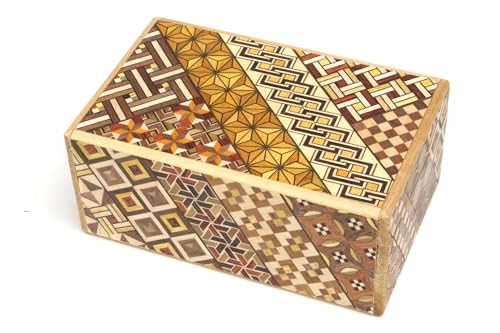
Hakone Yosegi-zaiku is Japanese marquetry built from naturally colored woods, never dyes. The secret puzzle box (himitsu-bako) hides…
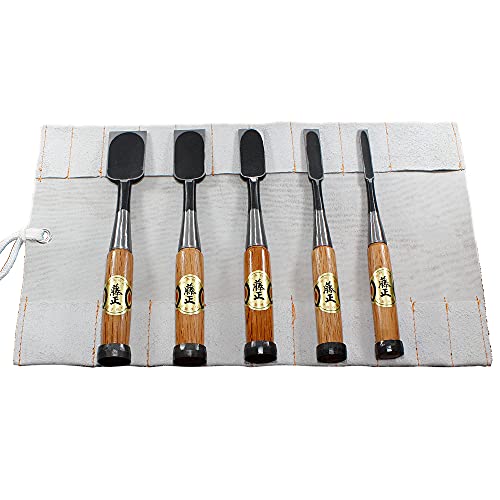
A hand-forged Japanese bench chisel from Miki, Hyogo — laminated high-carbon steel on soft iron, the carpenter's-tool tradition…
Hand-carved by the temple sculptors of Inami, Toyama, these relief chopstick rests turn a single block of wood…
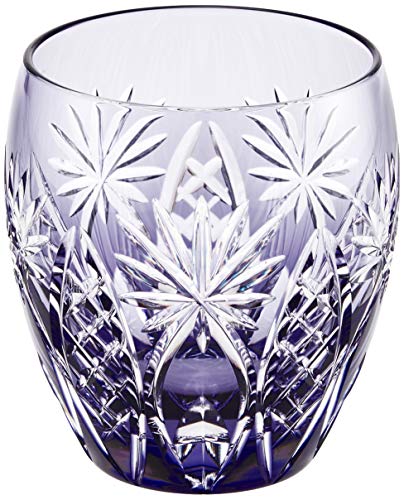
Edo Kiriko is Tokyo's hand-cut crystal craft, born in 1834 Edo and refined into the geometric color-overlay glassware…
Yonezawa-ori is the silk woven in Yamagata's old Uesugi castle town, dyed with benibana safflower along the Mogami…
A double-bevel nakiri vegetable knife forged in the Izumo region of Shimane, where Okuizumo's tatara furnaces and Yasugi…
Ryukyu lacquerware (Ryukyu shikki) carries the Okinawan kingdom's tribute-trade heritage. This vermilion tray showcases tsuikin, the islands' own…
Beppu take-zaiku is the only bamboo craft designated a national traditional craft of Japan. Hand-woven from Oita madake…
A volcanic ash-glazed ceramic wine cup from Yamanashi, the cradle of Japanese winemaking. Born in Katsunuma's vineyards beneath…
A hand-thrown ceramic tokkuri from the Boso Peninsula, anchored in Sawara's Little-Edo canal sake-brewing culture. We sort out…