Hida Shunkei-nuri Lacquer Bud Vase (Hanaire): Where to Buy [2026]
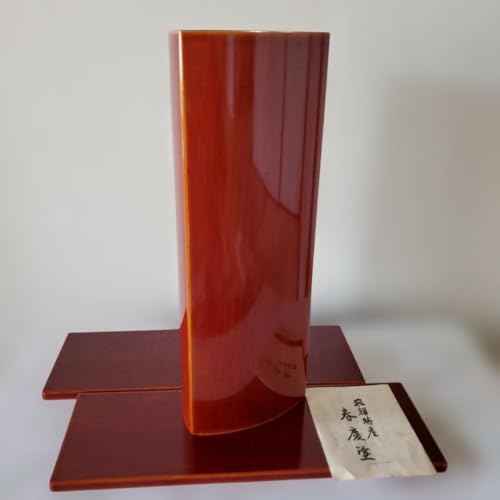
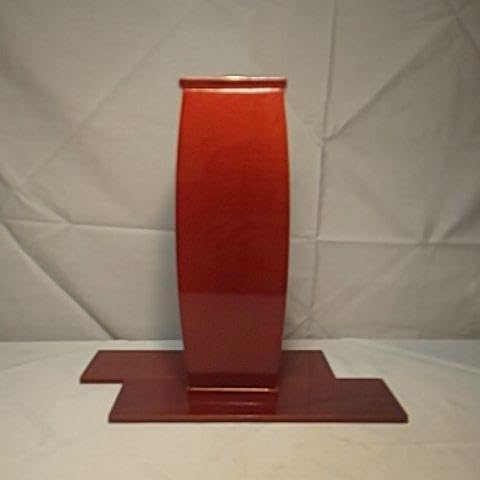
Hida Shunkei-nuri finishes a turned cypress vase in translucent amber lacquer that lets the raw wood grain read…
Hida Shunkei-nuri finishes a turned cypress vase in translucent amber lacquer that lets the raw wood grain read…
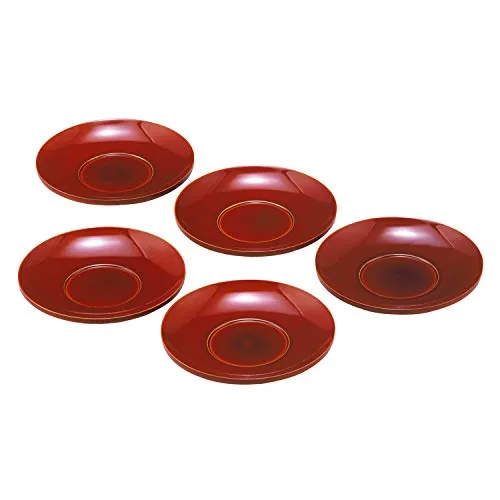
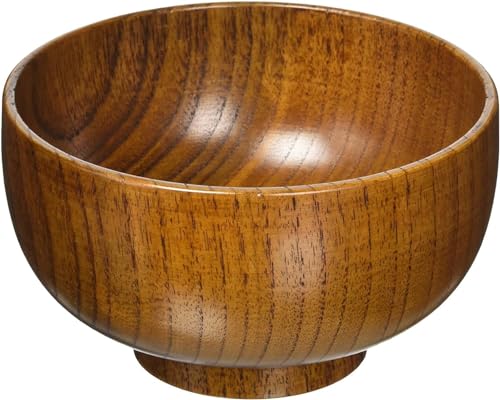
Hida Shunkei-nuri leaves the wood grain visible under clear amber urushi. These Takayama-made chataku saucers show why Gifu's…
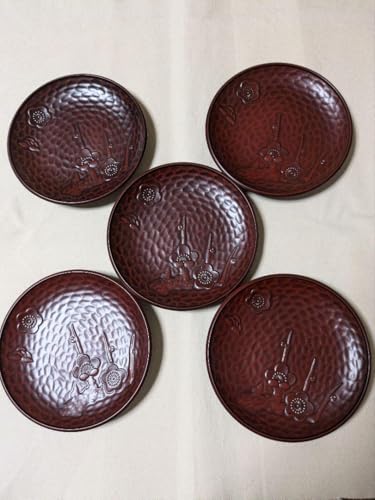
Okinawa's Ryukyu lacquerware carries tsuikin relief patterns pressed from colored lacquer dough. We break down what the kashizara…
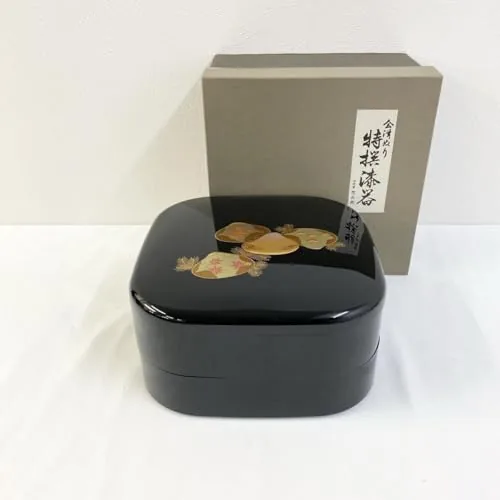
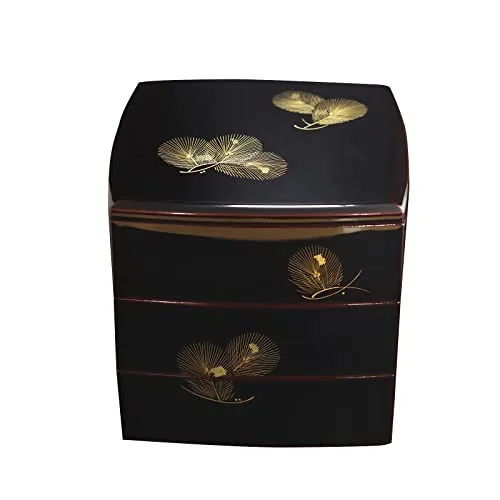
A two-tier Aizu-nuri jubako from Fukushima, finished in deep urushi lacquer with maki-e detail. Built for New Year…
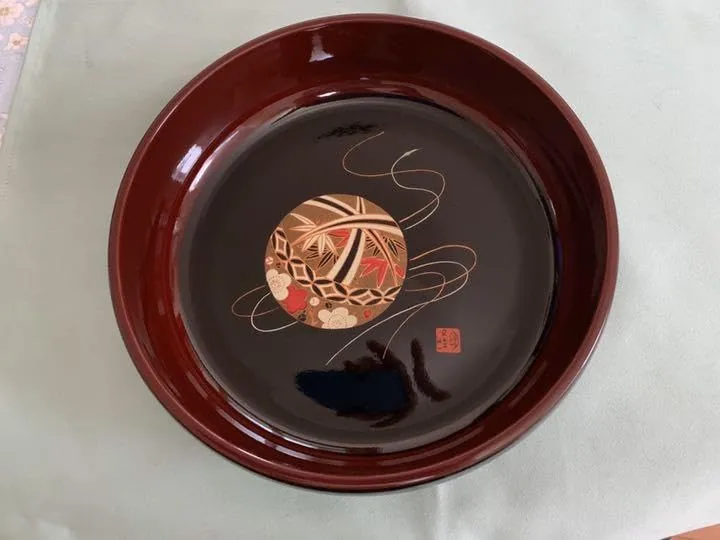
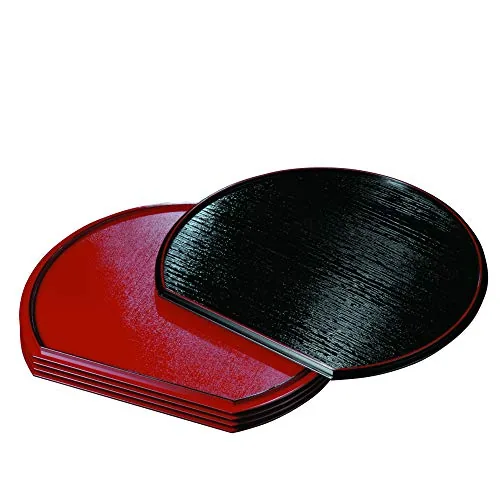
A hand-lacquered Aizu obon serving tray from Fukushima, decorated in gold makie over deep urushi. One of Japan's…
Wajima Nuri, Japan's most revered urushi lacquerware, makes soup bowls that pair a jinoko-hardened wood core with a…
Kagawa Shikki is Shikoku's carved lacquer tradition from the Takamatsu domain. Here's where to buy an authentic Kinma-decorated…
Kagawa Shikki (Sanuki lacquerware) carries the incised, color-filled Kinma technique revived by Tamakaji Zokoku under the Takamatsu domain.…
Echizen Shikki is one of Japan's largest urushi lacquer centers, with roughly 1,500 years of history in Fukui.…
Urushi — sap of the lacquer tree, layered and polished over weeks — is Japan's oldest luxury finish,…
Sanuki lacquerware from Takamatsu revives the kinma technique—lines carved into cured urushi, then packed with colored lacquer—on a…
Born in the Zen temples of Japan's first samurai capital, Kamakura-bori carves wood into peony relief and layers…
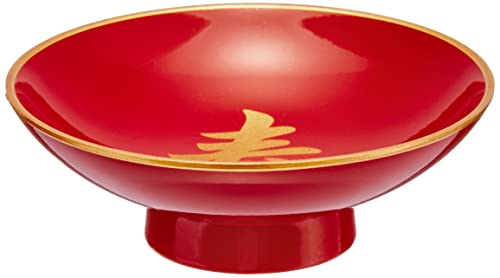
A vermilion urushi sake cup crowned with Hidehira-nuri's signature gold-leaf clouds, carrying the golden aesthetic of Hiraizumi's 12th-century…
Yamanaka-nuri lacquer soup bowls pair Ishikawa's finest rokuro woodturning with black-and-vermilion urushi. Here is where to buy an…
Wajima-nuri chopsticks are urushi ohashi built on Wajima's jinoko undercoat, layered through 100-plus steps for a durability and…
Kishu Negoro-nuri layers vermilion urushi over a black ground so the red wears back to reveal black—the quiet…
Yamaguchi's Ouchi-nuri lacquer carries the gold autumn-grass and lozenge crest of the medieval Ouchi court. Here is where…
Kishu Negoro-nuri sake cups wear vermillion urushi over a black ground that surfaces with use. A temple-born Wakayama…
Niigata Shikki take-nuri chopsticks recreate the nodes and grain of real bamboo entirely in urushi lacquer. A Niigata…
Hida Shunkei is the original transparent-lacquer ware of Takayama, where amber urushi is laid over bare sawara wood…
Ryukyu lacquerware carries the vermilion warmth of the Ryukyu Kingdom's royal workshops. This free cup showcases tsuikin, the…
A hand-lacquered keyaki owan from the Naruko Onsen tradition, finished in transparent kijiro-nuri so the zelkova grain glows…
Kyo Shikki is Kyoto's refined lacquerware, born from the old capital's court, temples, and tea ceremony. The maki-e…
Niigata's Murakami Kibori Tsuishu is deeply carved zelkova layered with vermilion urushi. Here is a level-headed look at…
Aizu-nuri began when lord Gamo Ujisato brought Omi lacquer artisans to Aizu in 1590. This makie serving plate…
Nara Shikki lacquerware carries the raden mother-of-pearl tradition straight from the 8th-century Shosoin treasures of Todai-ji. This guide…
Kamakura-bori carves a pattern into katsura wood before layering urushi lacquer—a Zen-temple craft born from imported Song carved…
A wiped-lacquer (suri-urushi) soup bowl turned from zelkova in the old Hojo castle town of Odawara, where the…
Jōbōji-nuri is Iwate's plain, undecorated lacquerware from Ninohe, finished in Japan's finest domestic urushi. This guide covers where…
Ryukyu lacquerware (Ryukyu shikki) carries the Okinawan kingdom's tribute-trade heritage. This vermilion tray showcases tsuikin, the islands' own…
A two-tier black-and-vermilion urushi jubako from Saitama's Koedo merchant town of Kawagoe. We explain the Edo-period lacquer tradition…
A hand-lacquered owan from Yamagata's butsudan-and-maki-e workshops, where Mogami River merchants carried Kyoto and Aizu techniques inland. Deep…
A vermilion-and-black urushi katakuchi pourer from Kochi, hand-lacquered over local hinoki. Rooted in Tosa's forestry domain and its…
A round zelkova plate from Gunma's Joshu highlands, finished in fuki-urushi (wiped lacquer) so the wood grain glows…
A hand-lacquered vermilion (shu-urushi) round tray from Saga's Hizen lacquer tradition, its deep shrine-red echoing the lacquered architecture…
A modern Hokkaido lacquer coaster set finished in urushi over a relief-carved Ainu moreu spiral motif — a…
A hand-lacquered wooden owan from Hyogo's Harima region, where Himeji's castle town and the Engyo-ji pilgrimage nurtured generations…
A wiped-lacquer (fuki-urushi) serving tray of Hita cedar from Oita, where the urushi sinks into the wood to…
A vermilion-and-black urushi soup bowl rooted in Sawara, Chiba's Edo-era 'Little Edo' canal town whose merchant wealth and…
A maki-e lacquer hand mirror in Nagasaki's Nanban export tradition, where Dejima-era trade fused Japanese urushi with Chinese…