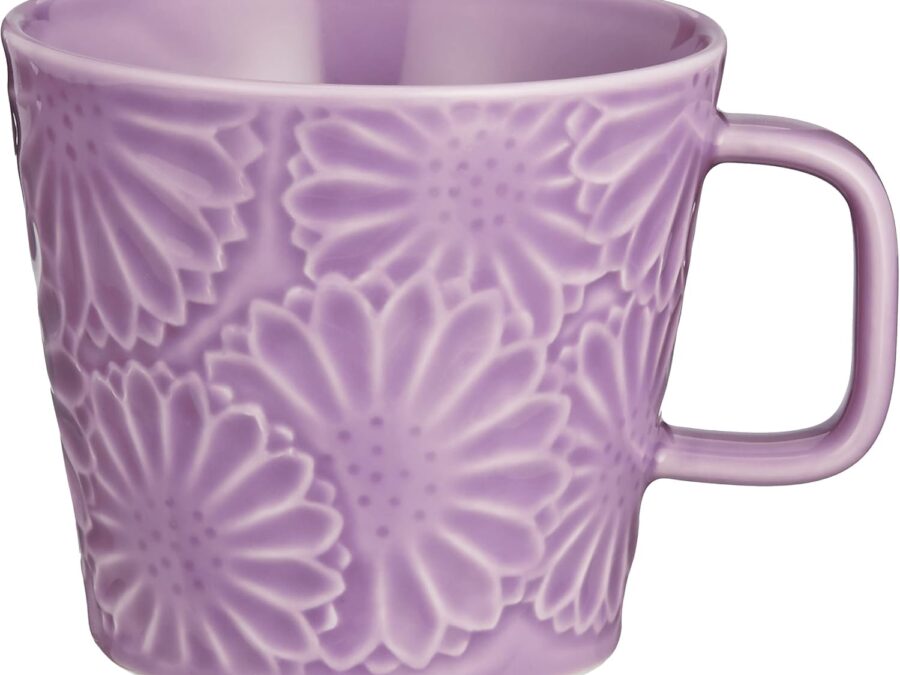
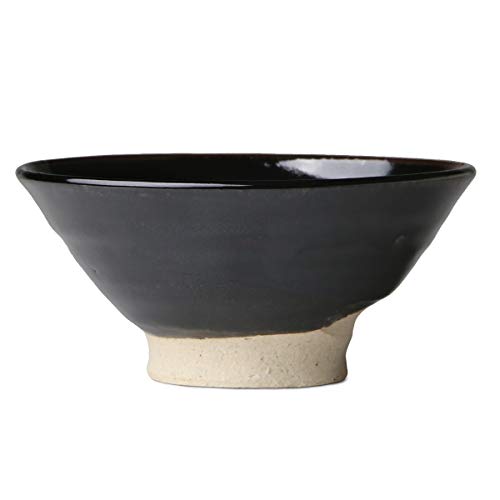
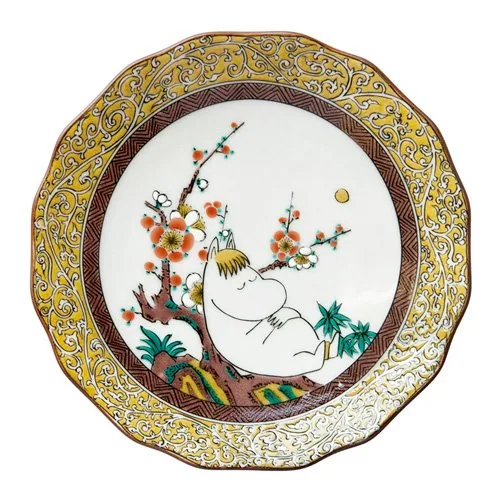
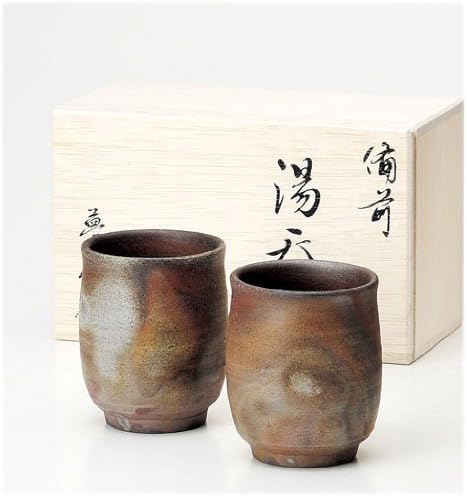
Japan has been firing ceramics for longer than almost anywhere on earth — from the six ancient kilns that never stopped burning to porcelain towns that taught Europe what fine china could be. This guide maps every pottery piece we have reviewed, organized by what you actually want to do with it: drink tea, pour sake, serve dinner, cook rice.
All 126 pieces below link to our full individual guides — each covers the region’s history, what makes the piece distinctive, and exactly how to order it from Amazon Japan with international shipping. New to importing? Start with the step-by-step buying guide.
How to choose
- Unglazed stoneware (Bizen, Shigaraki, Tokoname) develops character with use — best for tea and sake wares you will handle daily.
- Porcelain (Arita, Hasami, Kutani) is thin, bright and dishwasher-tolerant — the practical choice for plates and mugs.
- Regional glazes are the shortcut to a distinctive shelf: amber ame-yu from Tōhoku, deep green Oribe from Gifu, snow-white Hagi that crackles over years.
- Check capacity before buying teapots — Japanese kyūsu are deliberately small (200–360 ml) for repeated steepings.
Tea Bowls (Chawan) (9)


Yunomi Teacups (14)


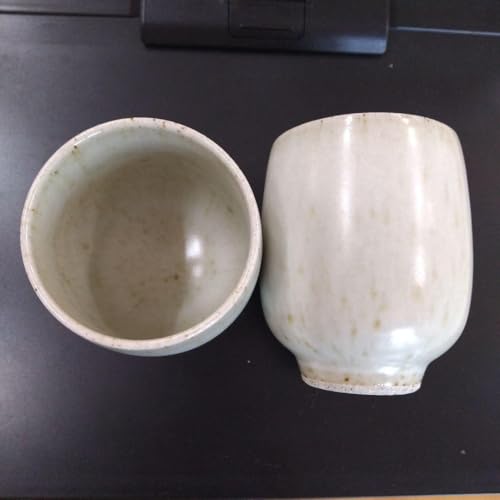
Sake Cups & Tokkuri (24)


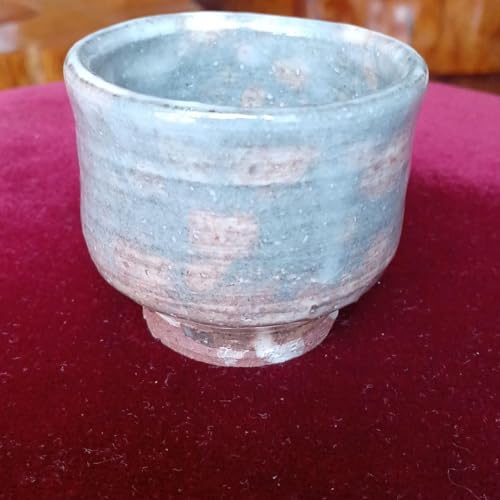




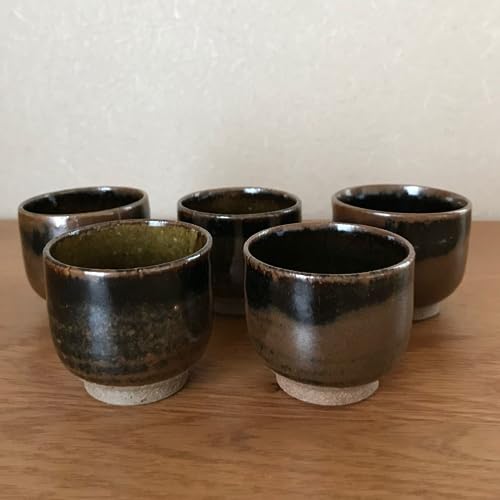
Teapots (7)


Mugs (7)
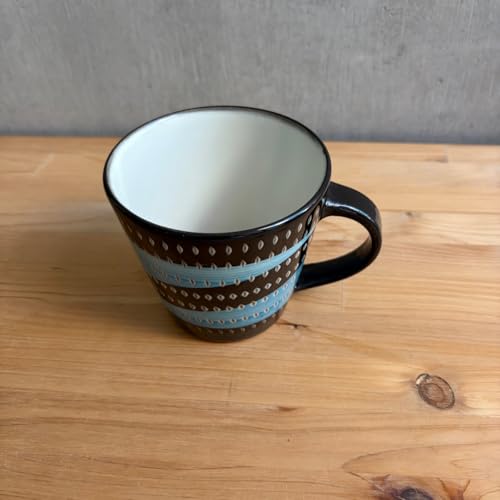


Cups, Tumblers & Coffee (11)


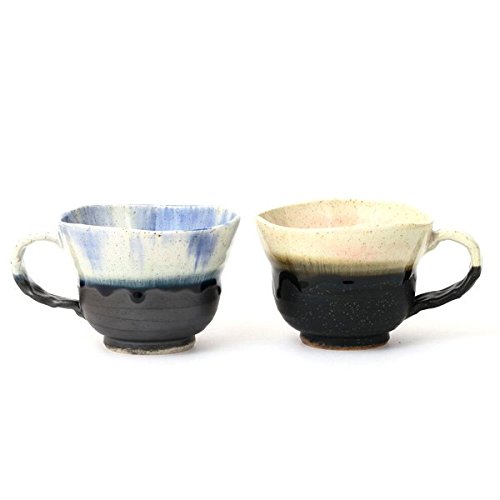


Vases & Flower (5)


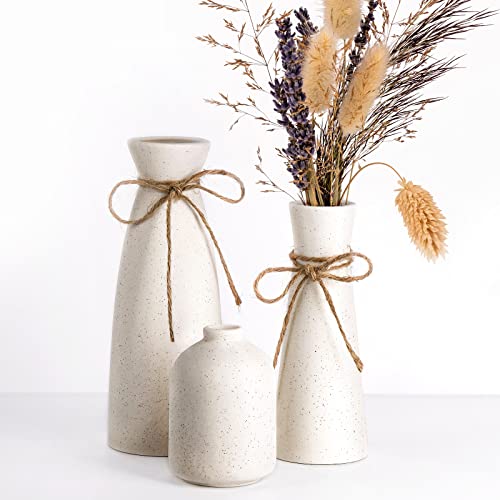
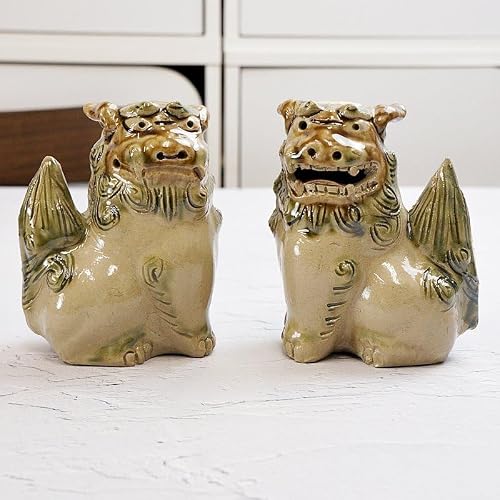
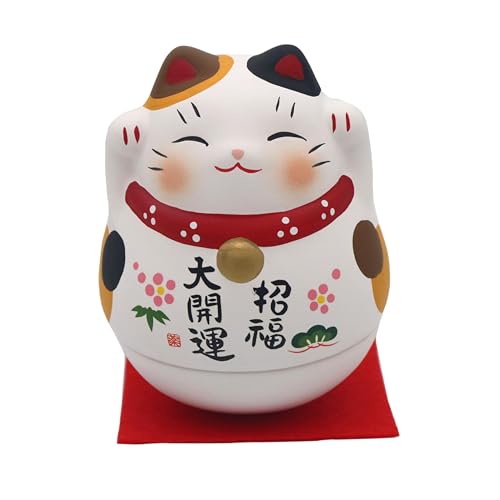
Figurines & Lucky Charms (14)


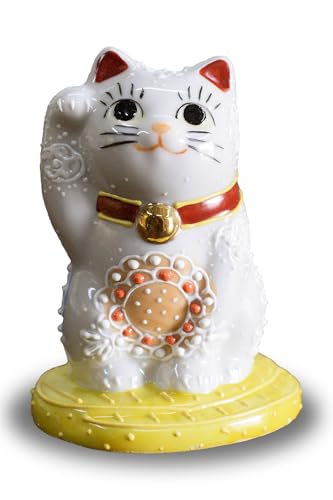







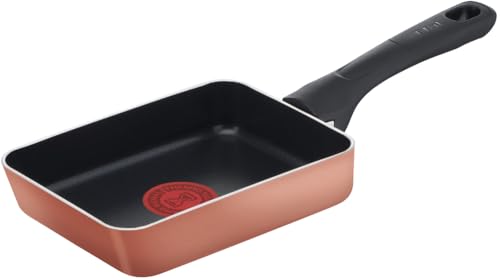
Pots & Cookware (12)



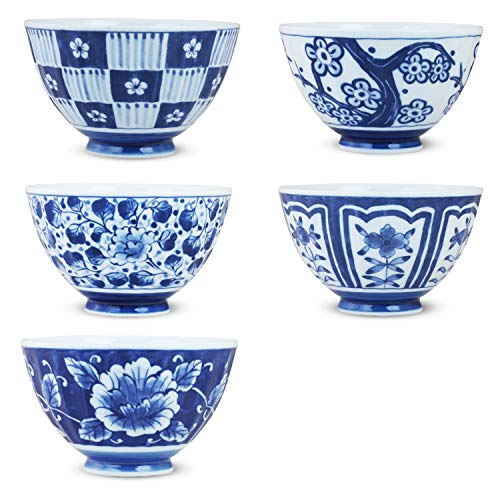
Bowls, Plates & Tableware (17)


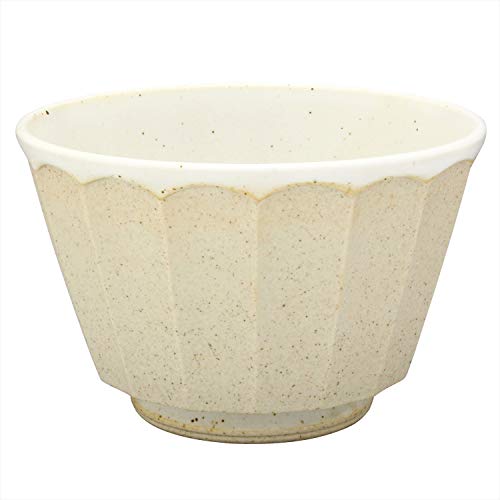


More Ceramics (1)

Other (5)


Browse by region
Aichi 3Akita 1Aomori 1Chiba 1Ehime 1Fukui 5Fukuoka 5Fukushima 7Gifu 7Gunma 1Hiroshima 1Hyogo 7Ibaraki 4Ishikawa 8Iwate 1Kagawa 1Kagoshima 1Kanagawa 1Kochi 1Kumamoto 5Kyoto 2Mie 2Miyagi 1Miyazaki 1Nagano 2Nagasaki 5Nara 1Niigata 3Oita 2Okayama 3Okinawa 4Osaka 1Saga 2Saitama 1Shiga 4Shimane 4Shizuoka 1Tochigi 2Tokushima 1Tokyo 4Tottori 2Toyama 3Yamagata 6Yamaguchi 1Yamanashi 1
Frequently asked questions
Is Japanese pottery dishwasher safe?
Porcelain (Arita, Hasami) usually is; unglazed or hand-painted stoneware usually is not. Each of our individual guides states what the maker recommends — when in doubt, hand-wash.
What is the difference between the famous kiln towns?
Each historic kiln is tied to its local clay and glaze tradition: iron-rich red shudei clay in Tokoname, straw-ash white in Hagi, wood-fired unglazed Bizen. Our per-piece guides explain the specific tradition behind each item.
Do these ship internationally?
Every piece we feature is sold on Amazon Japan with international shipping available; eligibility for your country is confirmed at checkout. See our buying guide for the full ordering walkthrough.
Affiliate disclosure: jpmono.com may earn a commission on qualifying purchases made through links on this page, at no additional cost to you.