Explore by Craft
Every Craft Tells a Story
Browse Japan's regional crafts by what they are — ceramics, lacquer, textiles, knives, woodwork, metalwork, paper and glass.
Ceramics & Pottery
126 crafts
📚 Complete buying guide: Japanese Pottery & Ceramics →
Stoneware, porcelain and tea-ceremony wares from Japan's historic kilns.
Tea Bowls (Chawan)9
 KyotoKyo-yaki Kiyomizu-yaki Matcha ChawanA hand-painted Kyo-yaki / Kiyomizu-yaki matcha chawan from Kyoto's Gojozaka kilns — the…View guide →
 ShigaShigaraki-yaki Matcha Chawan Tea BowlA wood-fired Shigaraki-yaki matcha chawan from Shiga, one of Japan's Six Ancient Kilns. Coarse local…View guide →
 ToyamaEtchu Seto-yaki Matcha Chawan Tea BowlEtchu Seto-yaki is Toyama's oldest ceramic ware, born in 1594 at the foot of the Tateyama mountains…View guide →
 KanagawaKamakura Shonan Studio Matcha Chawan Tea BowlKanagawa's Kamakura was a medieval Zen capital that shaped a deep tea culture. A guide to contemporary…View guide →
 GifuMino-yaki Shino Matcha Chawan Tea BowlMino-yaki Shino ware from Gifu was Japan's first white-glazed pottery, born in the Momoyama tea world. A…View guide →
 YamagataHirashimizu-yaki Zansha Matcha ChawanHirashimizu-yaki tea bowls from Yamagata are glazed with zansha, a 'remaining-snow' effect where iron in…View guide →
 YamaguchiHagi-yaki Matcha Chawan Tea BowlHagi-yaki, the Mori clan's domain pottery founded by Korean potters in 1604, shapes matcha bowls whose…View guide →
 IshikawaOhi-yaki Amber-Glaze Matcha ChawanOhi ware is Kanazawa's hand-formed, amber-glazed raku pottery, born from the Maeda domain's tea culture…View guide →
 FukuokaTakatori-yaki Matcha Chawan Tea BowlA Fukuoka kiln favored by tea master Kobori Enshu, Takatori-yaki pairs thin, refined walls with warm…View guide →
Yunomi Teacups15
 FukushimaObori Soma-yaki Double-Walled YunomiObori Soma-yaki double-walled yunomi from Fukushima stay cool to hold yet keep tea hot, glazed in…View guide →
 AkitaShiraiwa-yaki Namako Blue Glaze YunomiShiraiwa-yaki is Akita's oldest ceramic, born in 1771 under the Satake clan's Kubota domain. Its…View guide →
 ShizuokaShitoro-yaki Yunomi Tea CupFired in Kanaya since the 1500s, Shitoro-yaki is one of Kobori Enshu's Seven Kilns. Its iron-glazed…View guide →
 KochiOdo-yaki Tosa Sometsuke YunomiOdo-yaki is the official kiln founded by the Tosa Yamauchi clan in 1653. Its crackle-glazed sometsuke…View guide →
 NaraAkahada-yaki Nara-e YunomiAkahada-yaki is Nara's milky-glazed pottery, brushed with Nara-e figures of deer and pavilions over…View guide →
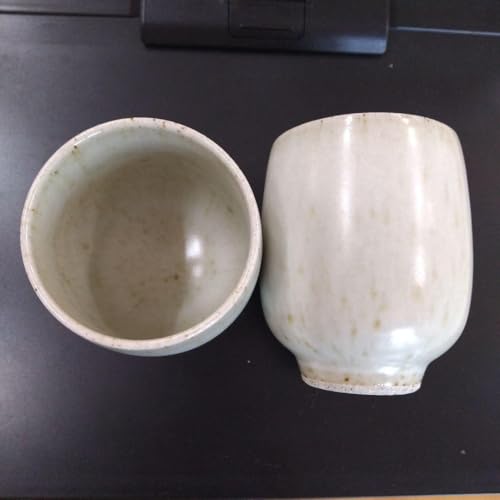 YamagataHirashimizu-yaki Zankin Yunomi Tea CupHirashimizu-yaki from Yamagata City fires local iron-rich clay into a nashiji 'pear-skin' celadon, its…View guide →
 KumamotoShodai-yaki Uchikake Glaze YunomiShodai-yaki is one of Kyushu's oldest folk kilns, founded around 1632 under Kumamoto's Hosokawa lords…View guide →
 FukuiEchizen Yaki YunomiEchizen ware from Fukui is one of Japan's Six Ancient Kilns. This iron-rich stoneware yunomi shows…View guide →
 NiigataMumyoi-yaki Sado Red Clay YunomiSado Island's Mumyoi-yaki is fired from iron-rich red clay dug near the Sado gold mine, polished to a…View guide →
 HyogoTamba Tachikui-yaki YunomiA natural ash-glaze teacup from Tachikui in Hyogo, one of Japan's Six Ancient Kilns. Eight centuries of…View guide →
 ShimaneFujina-yaki Yumachi-gama YunomiA warm yellow-glaze teacup from Izumo's Yumachi-gama, the lakeside kiln Bernard Leach once visited —…View guide →
 KagawaSanuki Rihei-yaki Kyoto-Style YunomiSanuki Rihei-yaki is Kagawa's oldest pottery, born when the Takamatsu domain invited a Kyoto Awataguchi…View guide →
 JapanTsubaki Shu Hagi Yaki Hime Tsuchi YunomiHagi-yaki (萩焼) is the **tea-ceremony pottery of Hagi**, in northern Yamaguchi Prefecture — practiced…View guide →
 NaganoMatsushiro-yaki Pottery YunomiMatsushiro-yaki is the ash-glazed pottery of the Sanada clan's castle town in Nagano. Its deep…View guide →
 FukushimaAizu Hongo-yaki Ameyu YunomiTohoku's oldest pottery, Aizu Hongo-yaki has been fired since the 1640s. This amber-glazed yunomi…View guide →
Sake Cups & Tokkuri24
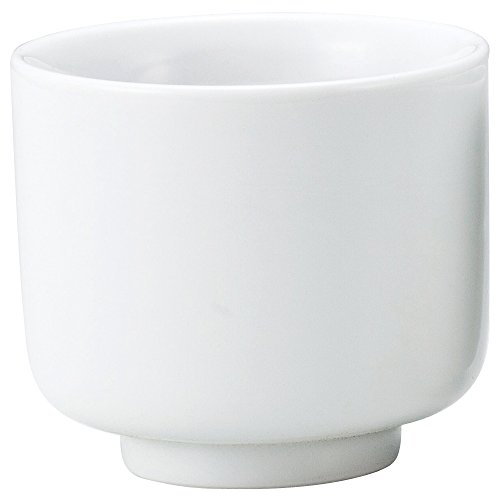 KagoshimaSatsuma Ware Shiro-Satsuma Sake CupShiro-Satsuma's ivory crackle glaze, born under the Shimazu domain, once charmed Meiji export buyers…View guide →
 OkayamaBizen-yaki Hidasuki Guinomi Sake CupFrom Okayama's Imbe village, one of Japan's Six Ancient Kilns, this unglazed wood-fired Bizen guinomi…View guide →
 SagaKaratsu Ware E-Garatsu Guinomi Sake CupSaga's Karatsu ware is rustic, iron-painted stoneware shaped by Korean potters who settled after the…View guide →
 HyogoTamba Tachikui-yaki Guinomi Sake CupTamba Tachikui-yaki is one of Japan's Six Ancient Kilns, fired in Sasayama, Hyogo for over 800 years…View guide →
 IwateKokuji-yaki Ame-Glaze Katakuchi Spouted BowlKokuji-yaki is Iwate's northernmost kiln, firing amber-and-white ame-glaze stoneware since the 1810s…View guide →
 TottoriInkyuzan-yaki Ash-Glaze Tokkuri Sake FlaskA tokkuri sake flask from Inkyuzan-yaki, Tottori's oldest working kiln under the Ikeda clan. Ash and…View guide →
 NaganoMatsushiro-yaki Katakuchi Sake PourerA blue-green glazed katakuchi pourer from Matsushiro-yaki, the Sanada clan's old domain kiln in Nagano…View guide →
 KumamotoShodai-yaki Katakuchi Sake PourerShodai-yaki's straw-ash nagashi glaze has run over Kumamoto clay since 1632. Where to buy a katakuchi…View guide →
 NagasakiMikawachi Ware Hirado Sometsuke Sake CupMikawachi ware is the fine white porcelain of Nagasaki's old Hirado domain, prized for delicate karako…View guide →
 FukuiEchizen-yaki Yakishime Tokkuri Sake FlaskEchizen-yaki is one of Japan's Six Ancient Kilns, fired unglazed at high heat so wood ash melts into a…View guide →
 OitaOnta-yaki Tobikanna Katakuchi Spouted BowlA hand-thrown Onta-yaki katakuchi from Hita's mingei kilns, marked with the rhythmic tobikanna…View guide →
 KumamotoShodai-yaki Nagashigake Guinomi Sake CupA Shodai-yaki guinomi from northern Kumamoto: nagashi-gake straw-ash streaks poured over an iron-dark…View guide →
 OsakaKosobe-yaki Guinomi Sake CupA hand-painted guinomi from Kosobe-yaki, the refined Settsu kiln revived in Takatsuki between Kyoto and…View guide →
 SaitamaHanno-yaki Katakuchi Spouted BowlHanno-yaki is Saitama's Edo-period folk pottery from the Iruma River valley. This katakuchi spouted bowl…View guide →
 IshikawaKutani Ware Gosai Guinomi Sake CupIshikawa's Kutani ware is Japan's boldest overglaze porcelain. Here's where to buy a hand-painted gosai…View guide →
 KumamotoShodai-yaki Nagashi-gake Katakuchi Sake PourerShodai-yaki is Kumamoto's flagship stoneware, born from the Hosokawa clan's 1632 transfer to Higo. Its…View guide →
 KumamotoShodai-yaki Katakuchi Spouted BowlShodai-yaki katakuchi from the foot of Mt. Shodai in Kumamoto pours straw-ash glaze in dramatic…View guide →
 HyogoTanba-Tachikui Ware Tokkuri Sake FlaskOne of Japan's Six Ancient Kilns, Tanba-Tachikui ware turns iron-rich clay into a natural ash glaze…View guide →
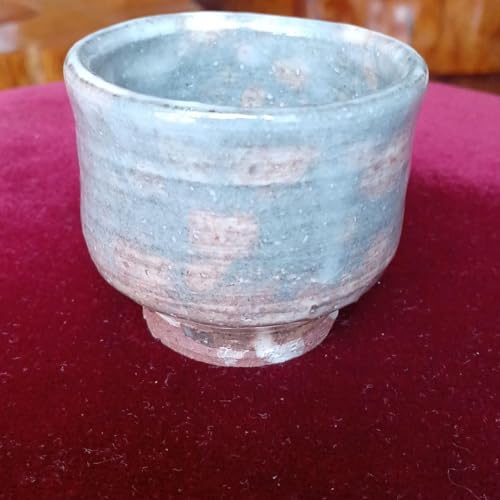 HiroshimaMiyajima-yaki Osunayaki Sake CupMiyajima-yaki blends sacred sand from beneath Itsukushima Shrine into its clay, an Edo-era pilgrimage…View guide →
 GunmaJishoji-yaki Katakuchi Sake PourerJishoji-yaki is a small Edo-era folk kiln in Gunma's Agatsuma highlands. Its ash- and iron-glazed…View guide →
 FukushimaObori Soma-yaki Double-Walled Sake CupFukushima's coastal flagship kiln: a double-walled (nijuyaki) sake cup glazed in cracked aohibi blue and…View guide →
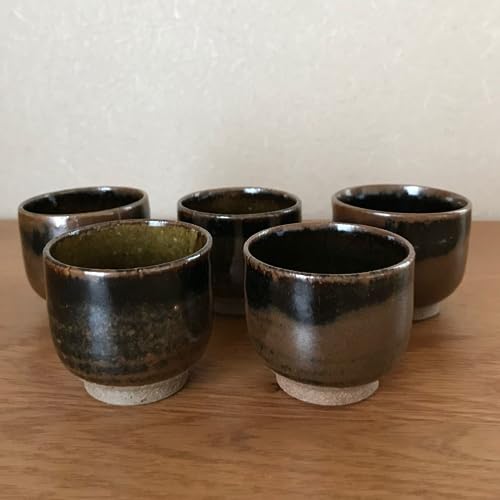 ToyamaEtchu Seto-yaki Guinomi Sake CupFired in the Tateyama foothills since the late 16th century, Etchu Seto-yaki is Toyama's oldest ceramic…View guide →
 ChibaBoso Studio Ceramic Tokkuri Sake FlaskA hand-thrown ceramic tokkuri from the Boso Peninsula, anchored in Sawara's Little-Edo canal…View guide →
 NiigataMumyoi-yaki Sado Red Clay GuinomiMumyoi-yaki is fired from the iron-rich red earth of Sado's gold mines, polished to a metallic sheen and…View guide →
Teapots7
 KyotoKiyomizu-yaki Kyusu TeapotA hand-painted Kiyomizu-yaki side-handle kyusu from Kyoto's Gojozaka kiln district, built for brewing…View guide →
 NagasakiMikawachi-yaki Karako-e Porcelain Kyusu TeapotHirado domain's official kiln still paints cobalt karako children on paper-thin white porcelain. A guide…View guide →
 YamagataHirashimizu-yaki Nashi-Seiji Celadon TeapotHirashimizu-yaki from Yamagata City fires a pear-skin 'nashi-seiji' celadon found nowhere else. This…View guide →
 HyogoTamba Tachikui-yaki TeapotTamba Tachikui-yaki is one of Japan's Six Ancient Kilns, fired near Sasayama for over 800 years. This…View guide →
 MieBanko-yaki Shidei Kyusu TeapotYokkaichi's Banko-yaki shidei kyusu makes most of Japan's clay teapots. Its unglazed purple clay reacts…View guide →
 TochigiMashiko-yaki Teapot KyusuA thick, earthy Mashiko-yaki kyusu glazed in kaki iron or nuka ash — the mingei teapot Hamada Shoji's…View guide →
 NiigataMumyoi-yaki Sado Red Clay Kyusu TeapotMumyoi-yaki is Sado Island's unglazed red-clay ware, fired from iron-rich earth dug beside the Sado gold…View guide →
Mugs10
 JapanYanase Asao Onta Yaki MugOnta-yaki (小鹿田焼) is the **mountain-village mingei pottery tradition of Sarayama**, in Hita City…View guide →
 OkinawaYachimun Tsuboya Pottery MugYachimun is Okinawa's Tsuboya pottery, shaped by the Ryukyu Kingdom's trading era. We cover its bold…View guide →
 JapanTsukamoto Mashiko Yaki Seiji MugMashiko-yaki (益子焼) is the **mingei-tradition pottery of Mashiko**, in southeastern Tochigi Prefecture —…View guide →
 JapanSenzan Tobeyaki Mug Cup Akasen KarakusaTobe-yaki (砥部焼) is the **white porcelain tradition of Tobe Town**, in central Ehime Prefecture on…View guide →
 YamagataHirashimizu-yaki Zansetsu Glaze MugHirashimizu-yaki fires iron-rich clay from Mt. Chitose into a creamy 'lingering snow' glaze. A quiet…View guide →
 HyogoTanba Tachikui Yaki MugTanba-yaki is one of Japan's Six Ancient Kilns, fired in Sasayama hills since the Heian era. Our team…View guide →
 IbarakiKasama-yaki MugKasama-yaki is Ibaraki's free-spirited stoneware, born in the 1770s from Shigaraki roots and now eastern…View guide →
 IshikawaKutani Ware Gosai Hand-Painted Coffee MugKaga's Kutani ware turns five-color overglaze enamel into a daily coffee mug. A Japanese editorial team…View guide →
 ShimaneShussai Kiln Shussai Blue MugA hand-thrown mug from Izumo's Shussai Kiln in the cobalt glaze known as Shussai Blue. Where to buy this…View guide →
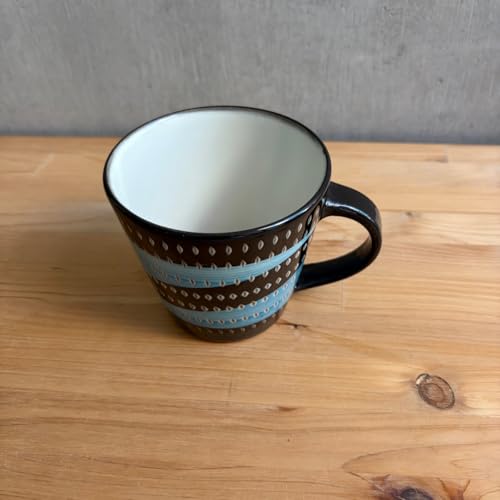 FukuokaKoishiwara Yaki Tobikanna MugKoishiwara yaki's tobikanna chatter marks turn a daily mug into a slice of Fukuoka mingei. A buyer's…View guide →
Cups, Tumblers & Coffee11
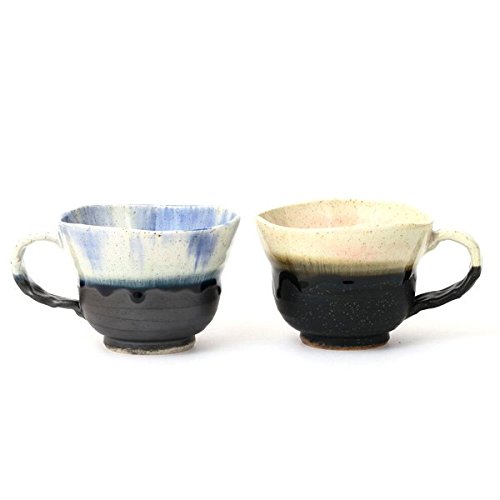 MiyagiTsutsumi-yaki Namako Glaze TumblerA blue-and-white namako-glazed tumbler from Tsutsumi-yaki Kenba-gama, the last surviving folk kiln of…View guide →
 TokushimaOtani-yaki TumblerOtani-yaki from Naruto, Tokushima is robust ash-glazed stoneware once shaped into giant indigo-dye vats…View guide →
 IshikawaKutani Ware Gosai Overglaze Coffee Cup and SaucerIshikawa's Kutani ware paints its famous five-color gosai overglaze onto a Western-style coffee cup and…View guide →
 YamanashiKoshu Fuji Ash-Glaze Ceramic Wine CupA volcanic ash-glazed ceramic wine cup from Yamanashi, the cradle of Japanese winemaking. Born in…View guide →
 YamagataHirashimizu-yaki Zansetsu Celadon Coffee CupHirashimizu-yaki from Yamagata City fires local iron-rich Chitoseyama clay into a 'remaining snow'…View guide →
 AomoriTsugaru Kanayama-yaki Yakishime Beer CupUnglazed wood-fired stoneware from Goshogawara, Aomori. The rough yakishime surface of this Tsugaru…View guide →
 IbarakiKasama-yaki Ceramic Coffee DripperKasama-yaki is the Kanto region's oldest pottery and the parent kiln of Mashiko. Its iron-rich clay…View guide →
 TochigiMashiko-yaki Kaki-Glaze Ceramic Coffee DripperA hand-thrown Mashiko-yaki pour-over dripper in Tochigi's signature persimmon kaki glaze, born from the…View guide →
 HyogoIzushi-yaki White Porcelain Coffee CupIzushi-yaki is Japan's rare pure-white porcelain from Tajima. Here is where to buy a translucent…View guide →
 AichiSeto-yaki Ceramic Coffee DripperSeto-yaki, the only glazed member of Japan's Six Ancient Kilns, shapes a ceramic pour-over dripper that…View guide →
 OkayamaBizen-yaki Beer TumblerA wood-fired, glaze-free Bizen stoneware tumbler from Okayama's Inbe village. Its microscopically rough…View guide →
Vases & Flower5
 FukuiEchizen-yaki Natural Ash Glaze Flower VaseEchizen-yaki is one of Japan's Six Ancient Kilns, fired unglazed for 850 years so wood-ash settles into…View guide →
 OkayamaBizen Ware Flower Vase (Hanaire)One of Japan's Six Ancient Kilns, Bizen ware is unglazed, wood-fired stoneware whose porous body keeps…View guide →
 FukuiEchizen-yaki Flower VaseEchizen-yaki is one of Japan's Six Ancient Kilns, fired unglazed from iron-rich Fukui clay so falling…View guide →
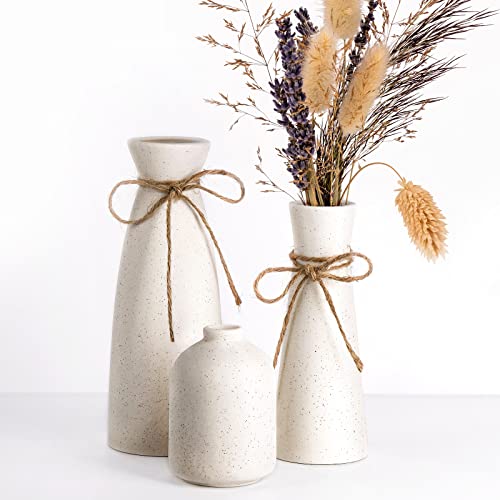 ShigaShigaraki-yaki Flower VaseShigaraki ware is one of Japan's Six Ancient Kilns, fired in the Shiga hills where Emperor Shomu once…View guide →
 FukuiEchizen-yaki Wood-Fired Flower VaseEchizen-yaki is one of Japan's Six Ancient Kilns, fired unglazed in Fukui since the late 12th century…View guide →
Figurines & Lucky Charms14
 FukuokaHakata Ningyo Clay FigurineHakata Ningyo are unglazed, bisque-fired clay figurines painted with quiet precision in Fukuoka. We sort…View guide →
 OkinawaTsuboya-yaki Shisa Guardian Lion PairTsuboya-yaki is Okinawa's flagship ceramic craft, born from the Ryukyu Kingdom's royal kilns. We cover…View guide →
 TokyoImado-yaki Maneki-neko Lucky Cat FigurineImado-yaki is the Edo-era Asakusa earthenware tied to the maneki-neko's birth legend. A hand-shaped…View guide →
 IshikawaKutani-yaki Maneki-neko Gold Lucky CatThe Kutani-yaki maneki-neko is the premium standard for Japan's lucky cat: hand-painted in Kutani's five…View guide →
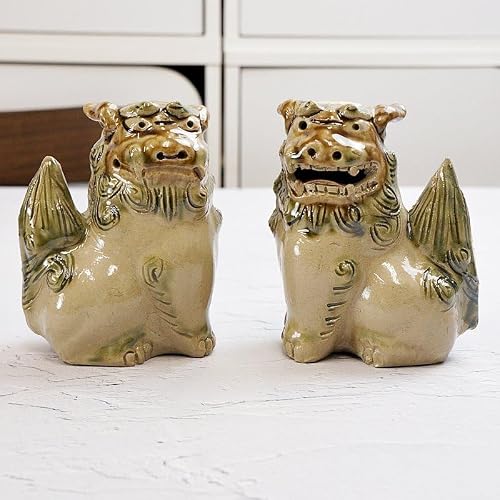 OkinawaTsuboya-yaki Shisa PairHand-formed in Naha's centuries-old Tsuboya kiln district, these yachimun shisa lion-dogs guard the…View guide →
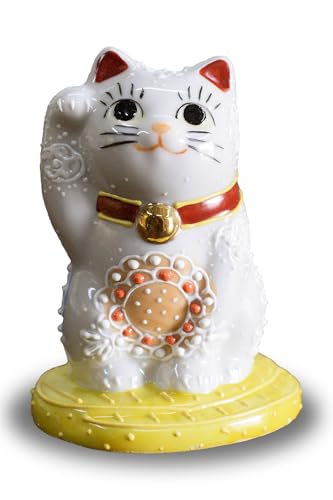 IshikawaKutani-yaki Gold Maneki-Neko Lucky CatA hand-painted Kutani-yaki maneki-neko brings Kaga's 360-year overglaze porcelain tradition home —…View guide →
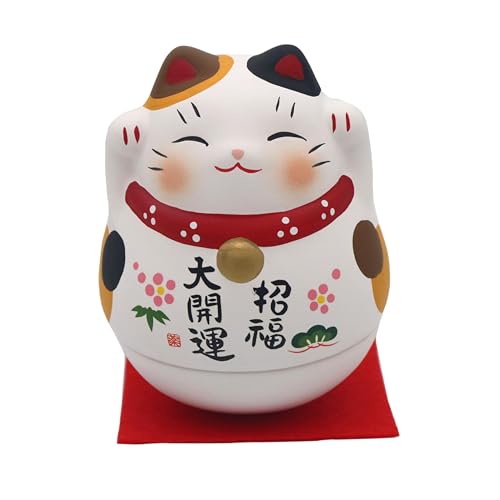 TokyoImado-yaki Maneki-neko Lucky CatImado-yaki is the Edo-period earthenware credited with the very first maneki-neko. A hand-shaped…View guide →
 MiyazakiSadowara Ningyo Clay DollSadowara Ningyo are hand-painted earthenware folk dolls from a Shimazu castle town in Miyazaki. We sort…View guide →
 ShigaShigaraki-yaki Tanuki FigurineThe Shigaraki-yaki tanuki is Japan's most recognizable good-luck figurine, hand-shaped from iron-rich…View guide →
 ShigaShigaraki-yaki Tanuki OkimonoFrom one of Japan's Six Ancient Kilns, the Shigaraki tanuki is a hand-built ceramic raccoon dog placed…View guide →
 TokyoImado-yaki Maneki-neko Clay Cat FigurineImado-yaki is Tokyo's old Asakusa earthenware and the birthplace of the maneki-neko. This hand-shaped…View guide →
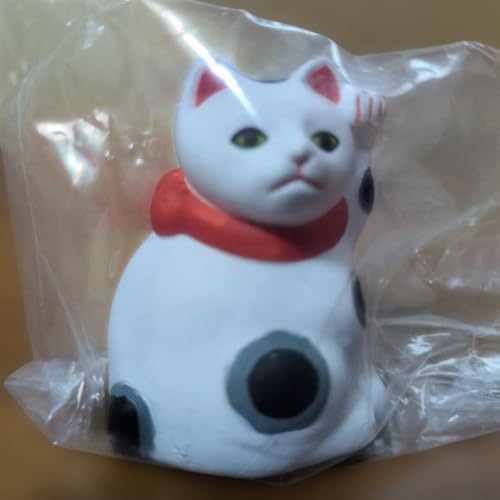 TokyoImado-yaki Maneki-neko Clay CatImado-yaki is the Edo-born earthenware of Asakusa, and Imado Shrine is celebrated as the birthplace of…View guide →
 AichiSeto-yaki Maneki-neko Beckoning CatA hand-painted ceramic beckoning cat from Seto, the Aichi kiln town that gave Japanese the very word for…View guide →
 IshikawaKutani-yaki Maneki-neko Lucky CatA hand-painted Kutani-yaki beckoning cat from Ishikawa brings the bold five-color overglaze and gold…View guide →
Pots & Cookware12
 MieBanko-yaki Donabe Clay PotYokkaichi's Banko-yaki produces roughly 80% of Japan's donabe. High-petalite clay survives direct flame…View guide →
 FukuokaKoishiwara-yaki Tobikanna PlateKoishiwara-yaki's tobikanna chatter-mark plates carry 340 years of Fukuoka folk-kiln craft. We break…View guide →
 FukushimaAizu Hongo-yaki Nishin-bachi Herring PotAizu Hongo-yaki is Tohoku's oldest kiln town, and its amber-glazed nishin-bachi—a lidded square pot for…View guide →
 IbarakiKasama-yaki Rice BowlKasama-yaki is one of the Kanto region's oldest ceramic traditions, born under the Kasama domain in the…View guide →
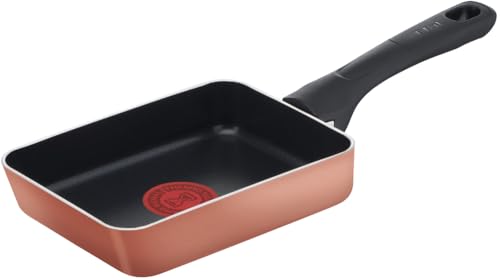 ShimaneYumachi-gama Fujina-yaki Egg BakerA yellow-glazed stoneware egg baker from Shimane's Yumachi kiln, shaped on advice from Bernard Leach…View guide →
 TottoriUshinoto-yaki Somewake PlateUshinoto-yaki's green-and-black somewake glaze is a landmark of Tottori folk pottery, revived by the…View guide →
 FukushimaAizu Hongo-yaki Nishin-bachi Ame-Glaze BowlAizu Hongo-yaki is Tohoku's oldest ceramic tradition, born from castle roof tiles ordered by lord Gamo…View guide →
 FukuokaKoishiwara Ware Tobikanna Rice BowlKoishiwara ware's rhythmic tobikanna chatter marks were born in a Fukuoka mountain village and praised…View guide →
 OkinawaTsuboya-yaki Yachimun PlateTsuboya-yaki is Okinawa's signature 'yachimun' pottery, thick-bodied and boldly glazed. This hand-thrown…View guide →
 OitaOnta-yaki Tobikanna Serving PlateOnta-yaki is Oita's living folk-pottery village, and its chatter-marked tobikanna plates carry 300 years…View guide →
 ShimaneYumachi Kiln Izumo Yellow-Glaze Egg BakerA Mingei-rooted egg baker from Shimane's Yumachi Kiln, where Fujina yellow glaze and Bernard Leach's…View guide →
 FukushimaAizu Hongo-yaki Ameyu Nishin-bachiFukushima's oldest kiln town makes a rectangular amber-glazed vessel built for pickling and oven work…View guide →
Bowls, Plates & Tableware18
 IbarakiKasama-yaki Oval PlateKasama-yaki is the Kanto region's oldest stoneware, born under the Mito-allied Kasama domain in the…View guide →
 NagasakiHakusan Hasami-yaki G-Type Soy Sauce DispenserA 1958 Masahiro Mori design still made in the 400-year porcelain town of Hasami, Nagasaki. The non-drip…View guide →
 SagaImari Nabeshima Iro-Nabeshima Porcelain PlateIro-Nabeshima was the porcelain the Nabeshima clan made only as gifts for the shogun, fired behind…View guide →
 GifuMino-yaki Oribe Square PlateGifu's Mino-yaki is the kiln region behind nearly half of Japan's tableware. This Oribe square plate…View guide →
 GifuMino-yaki Oribe Mukozuke DishMino-yaki Oribe ware turns Furuta Oribe's bold green copper glaze and deliberately warped 'hyuge' forms…View guide →
 GifuMino-yaki Shino Donburi Rice BowlMino-yaki from eastern Gifu produced Japan's first white glaze, Shino. This warm milk-white donburi rice…View guide →
 IshikawaKutani-yaki Gosai Mamezara Small Plate SetKutani-yaki mamezara bring 370 years of Kaga overglaze color to the table — five bold gosai pigments on…View guide →
 GifuMino-yaki Oribe Green-Glaze Serving DishA copper-green Oribe serving dish from Gifu's Mino kilns — the bold, deliberately distorted tableware…View guide →
 HyogoIzushi-yaki White Porcelain Soba PlateIzushi-yaki is the only pure-white porcelain among Japan's traditional crafts, fired in the Tajima…View guide →
 NagasakiHasami Ware Porcelain Rice BowlHasami ware has set Japan's everyday tables for 400 years. This porcelain gohan chawan pairs Edo-born…View guide →
 GifuMino-yaki Oribe Mukozuke Serving DishMino-yaki Oribe ware brings Momoyama-era tea aesthetics to the table: copper-green glaze, asymmetric…View guide →
 FukushimaAizu Hongo-yaki Amber-Glaze Rice BowlAizu Hongo-yaki is the oldest pottery in the Tohoku region, born from castle roof tiles in 1593. Its…View guide →
 EhimeTobe-yaki Baizan-gama Porcelain Rice BowlBorn in Ehime's Ozu domain in 1777, Tobe-yaki is thick white porcelain hand-painted in cobalt blue…View guide →
 GifuOribe-yaki Mino Green-Glaze Mukozuke Serving DishOribe-yaki is the boldest of Momoyama tea ceramics: copper-green glaze, off-kilter forms, and iron-brush…View guide →
 JapanShodai Yaki Chihiro Kiln Rim PlateShōdai-yaki (小代焼) is the **reduction-fired stoneware tradition of Arao** in northwestern Kumamoto…View guide →
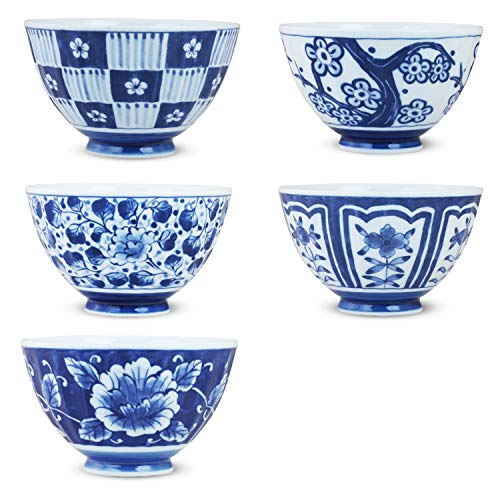 AichiSeto Ware Sometsuke Rice BowlOne of Japan's Six Ancient Kilns, Seto gave its name to 'setomono.' This hand-painted blue-and-white…View guide →
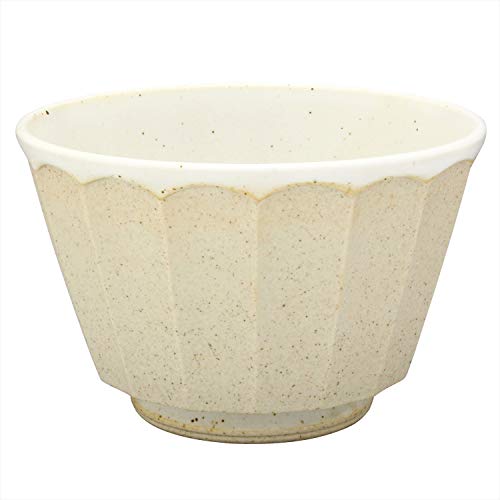 NagasakiHasami-yaki Porcelain BowlHasami-yaki is Nagasaki's 400-year porcelain tradition, now known worldwide for clean, stackable…View guide →
 YamagataHirashimizu-yaki Zangetsu Soba ChokoHirashimizu-yaki from Yamagata City fires the iron-flecked clay of Mt. Chitose into the signature…View guide →
Lacquerware
77 crafts
📚 Complete buying guide: Japanese Lacquerware →
Urushi bowls, trays and boxes — layered, polished and built to last.
Soup Bowls (Owan)17
 IshikawaWajima Nuri Lacquer Soup BowlWajima Nuri, Japan's most revered urushi lacquerware, makes soup bowls that pair a jinoko-hardened wood…View guide →
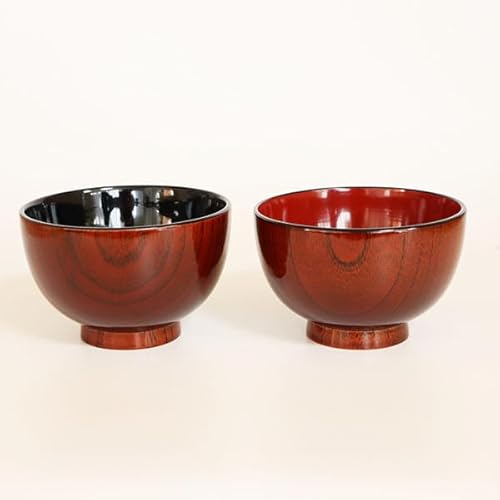 MiyagiNaruko Shikki Kijiro Lacquer Soup BowlA hand-lacquered keyaki owan from the Naruko Onsen tradition, finished in transparent kijiro-nuri so the…View guide →
 KagawaKagawa Shikki Kinma Lacquer BowlKagawa Shikki is Shikoku's carved lacquer tradition from the Takamatsu domain. Here's where to buy an…View guide →
 IbarakiAwano Shunkei Lacquer Jubako Tiered BoxAwano Shunkei lacquerware from Ibaraki — one of Japan's Three Shunkei traditions since 1489. Where to…View guide →
 OkinawaRyukyu Shikki Tsuikin Lacquer CupRyukyu lacquerware carries the vermilion warmth of the Ryukyu Kingdom's royal workshops. This free cup…View guide →
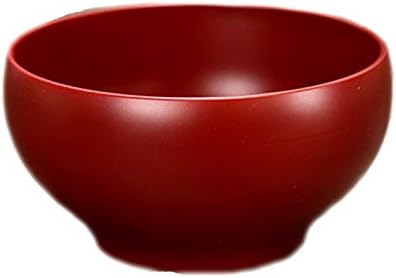 JapanKarin Honpo Aizu Nuri Marumi Wan Soup Bowl RedAizu-nuri (会津塗) is the **lacquerware tradition of the Aizu region** in western Fukushima Prefecture —…View guide →
 AomoriTsugaru-Nuri Lacquer Soup BowlTsugaru-Nuri is Aomori's only designated lacquerware, built from dozens of polished coats. This…View guide →
 YamagataYamagata Shikki Maki-e Lacquer Soup BowlA hand-lacquered owan from Yamagata's butsudan-and-maki-e workshops, where Mogami River merchants…View guide →
 EhimeSakurai Shikki Lacquer Soup BowlSakurai Shikki is Imabari's Edo-era lacquerware, once carried across the Seto Inland Sea by wankebune…View guide →
 ChibaSawara Lacquer Soup Bowl (Shiruwan)A vermilion-and-black urushi soup bowl rooted in Sawara, Chiba's Edo-era 'Little Edo' canal town whose…View guide →
 FukuiEchizen Shikki Lacquer Soup BowlEchizen Shikki is the workhorse of Japanese lacquerware, supplying most of the nation's restaurants. A…View guide →
 NaganoKiso Shikki Lacquer Soup BowlA Kiso-Hirasawa lacquered miso soup bowl from Nagano's Nakasendo valley, built up in durable urushi over…View guide →
 JapanSumida Kihei Kishu Shikki Soup Bowl Pair BC TSUBOKishū-shikki (紀州漆器) is the **lacquerware tradition of Kuroe, in northern Wakayama Prefecture** —…View guide →
 HyogoHarima Lacquer Soup Bowl (Owan)A hand-lacquered wooden owan from Hyogo's Harima region, where Himeji's castle town and the Engyo-ji…View guide →
 KanagawaOdawara Shikki Keyaki Lacquer Soup BowlA wiped-lacquer (suri-urushi) soup bowl turned from zelkova in the old Hojo castle town of Odawara…View guide →
 IshikawaYamanaka Lacquer Soup Bowl (Owan)Yamanaka-nuri lacquer soup bowls pair Ishikawa's finest rokuro woodturning with black-and-vermilion…View guide →
 KagoshimaKawanabe Makie Lacquer Kogo Incense ContainerFrom Kagoshima's Kawanabe altar workshops comes a gold makie kogo — a small lidded lacquer incense…View guide →
Chopsticks4
 JapanHarimaya Tsugaru Nuri Meoto ChopsticksTsugaru-nuri (津軽塗) is the **multi-layer lacquer tradition of Hirosaki**, in western Aomori Prefecture —…View guide →
 IshikawaWajima-nuri Lacquer ChopsticksWajima-nuri chopsticks are urushi ohashi built on Wajima's jinoko undercoat, layered through 100-plus…View guide →
 NiigataNiigata Shikki Take-nuri Lacquer ChopsticksNiigata Shikki take-nuri chopsticks recreate the nodes and grain of real bamboo entirely in urushi…View guide →
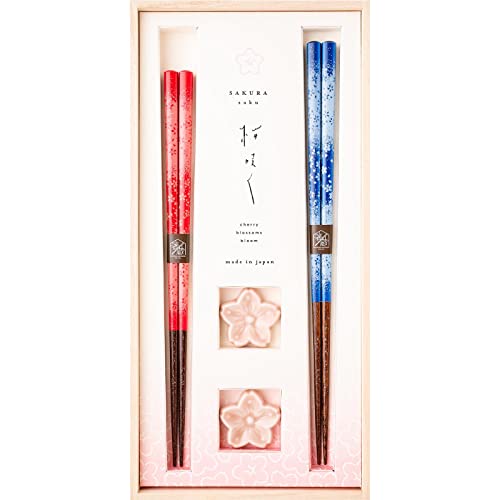 FukuiWakasa Nuri Lacquer ChopsticksWakasa Nuri lacquer chopsticks from Obama, Fukui carry shell-inlay layers polished to a deep luster…View guide →
Sake Cups & Vessels6
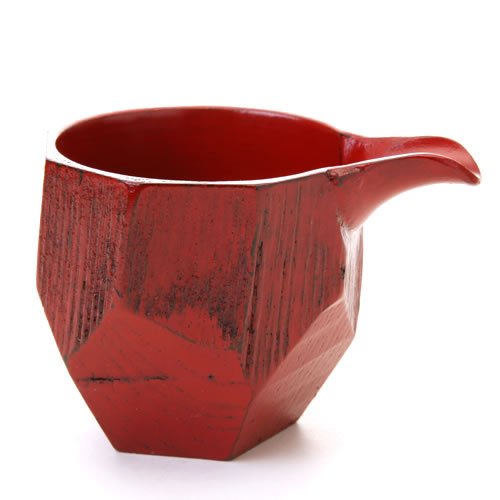 KochiTosa Lacquer Katakuchi Sake PourerA vermilion-and-black urushi katakuchi pourer from Kochi, hand-lacquered over local hinoki. Rooted in…View guide →
 YamaguchiOuchi-nuri Vermilion Lacquer Sake CupYamaguchi's Ouchi-nuri lacquer carries the gold autumn-grass and lozenge crest of the medieval Ouchi…View guide →
 MiyagiNaruko Shikki Ryusen-nuri Lacquer CupNaruko Shikki Ryusen-nuri lacquer cups carry the marbled wood-grain finish of Miyagi's hot-spring…View guide →
 IwateHidehira-nuri Gold-Leaf Lacquer Sake CupA vermilion urushi sake cup crowned with Hidehira-nuri's signature gold-leaf clouds, carrying the golden…View guide →
 IwateJoboji-Nuri Lacquer Sake CupJōbōji-nuri is Iwate's plain, undecorated lacquerware from Ninohe, finished in Japan's finest domestic…View guide →
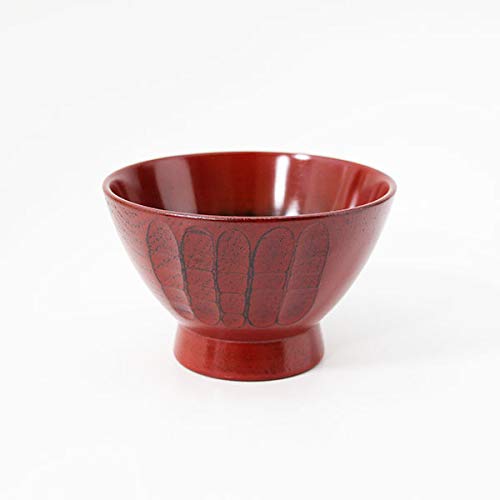 WakayamaKishu Negoro-nuri Lacquer Sake CupKishu Negoro-nuri sake cups wear vermillion urushi over a black ground that surfaces with use. A…View guide →
Hand Mirrors4
 NagasakiNagasaki Maki-e Lacquer Hand MirrorA maki-e lacquer hand mirror in Nagasaki's Nanban export tradition, where Dejima-era trade fused…View guide →
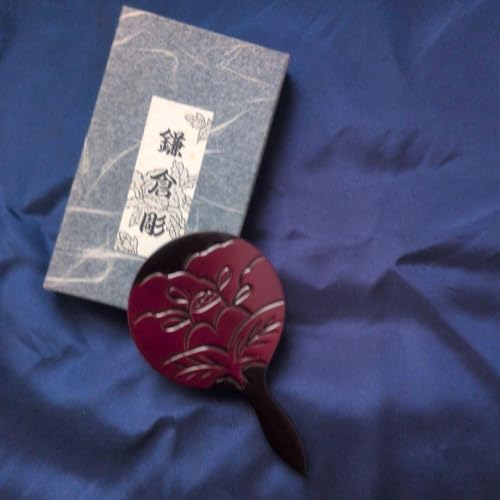 KanagawaKamakura-bori Carved Lacquer Hand MirrorA katsura-wood hand mirror carved in relief and finished in urushi, Kamakura-bori carries an 800-year…View guide →
 OsakaOsaka Naniwa Maki-e Lacquer Hand MirrorA hand-decorated maki-e hand mirror from Osaka's Naniwa altar-lacquer lineage—gold urushi flecked onto…View guide →
 TochigiNikko-bori Carved Lacquer Hand MirrorBorn from the master carvers who built Nikko Toshogu, Nikko-bori lacquerware uses the signature hikkaki…View guide →
Dolls & Ornaments1

Boxes & Jubako15
 MieIse Shunkei Lacquer Bento BoxIse Shunkei is Mie's transparent-lacquer ware, born from the Ise Grand Shrine pilgrim trade. Its…View guide →
 KyotoKyo Shikki Maki-e Kogo Incense ContainerKyo Shikki is Kyoto's refined lacquerware, born from the old capital's court, temples, and tea ceremony…View guide →
 ToyamaTakaoka Shikki Aogai Raden Lacquer BoxToyama's Takaoka lacquer tradition shines in aogai raden — iridescent mother-of-pearl shell inlaid into…View guide →
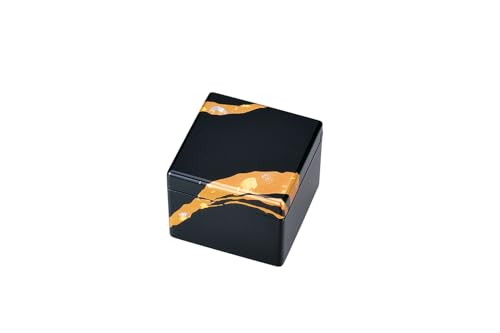 AichiOwari Nagoya Maki-e Lacquer BoxA gold maki-e accessory box from Nagoya, where Owari Tokugawa patronage and the Nagoya butsudan trade…View guide →
 KagawaSanuki Shikki Kinma Lacquer Natsume Tea CaddySanuki Shikki from Takamatsu carries Tamakaji Zokoku's Kinma carved-and-inlaid urushi tradition. A…View guide →
 NiigataMurakami Kibori Tsuishu Carved Lacquer Natsume Tea CaddyMurakami Kibori Tsuishu is Niigata's hand-carved vermilion lacquerware from a northern castle town. This…View guide →
 FukuiEchizen Shikki Lacquer Jubako BoxEchizen Shikki is one of Japan's largest urushi lacquer centers, with roughly 1,500 years of history in…View guide →
 FukushimaAizu-nuri Lacquer Jubako BoxA two-tier Aizu-nuri jubako from Fukushima, finished in deep urushi lacquer with maki-e detail. Built…View guide →
 SaitamaKawagoe Edo-Style Lacquer Jubako BoxA two-tier black-and-vermilion urushi jubako from Saitama's Koedo merchant town of Kawagoe. We explain…View guide →
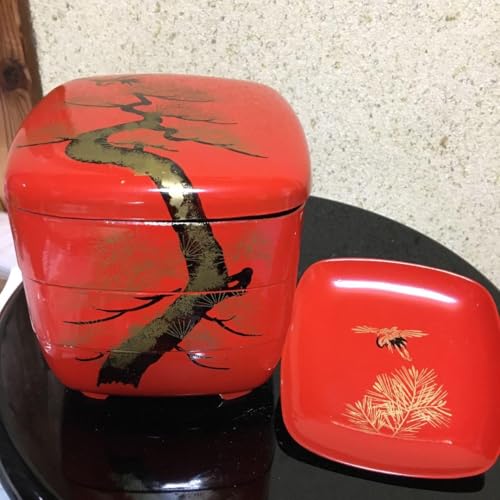 FukushimaAizu-Nuri Maki-e Jubako Lacquer Stacking BoxA two-tier Aizu lacquer jubako finished with auspicious pine-bamboo-plum maki-e, the New Year food box…View guide →
 TokushimaAwa Yusan-bako Lacquered Picnic BoxTokushima's yusan-bako is a three-tier lacquered picnic box children carried on Awa spring outings…View guide →
 ShigaHikone Butsudan Maki-e Lacquer Accessory BoxA Shiga lacquer accessory box built with the same maki-e, gold-leaf, and metal-fitting trades that made…View guide →
 NaraNara Shikki Raden Kogo Incense ContainerNara Shikki lacquerware carries the raden mother-of-pearl tradition straight from the 8th-century…View guide →
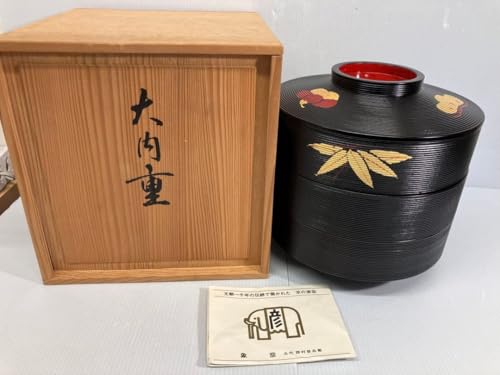 KyotoKyo Shikki Makie Lacquer JubakoKyoto's Kyo-shikki lacquer, refined in the old imperial capital, reaches its peak in maki-e gold-painted…View guide →
 KumamotoHitoyoshi Hanatebako Camellia Lacquer BoxA lacquer-painted wooden keepsake box from Hitoyoshi in the Kuma valley, its camellia motif rooted in…View guide →
Cups & Vessels2
 IshikawaYamanaka Lacquer Natural Wood Free CupA free cup turned from vertical-grain wood and finished in wiped urushi by Yamanaka, the Kaga region…View guide →
 KagawaSanuki Shikki Lacquer CupSanuki Shikki is the lacquerware of Takamatsu, revived by Tamakaji Zokoku under the Matsudaira domain…View guide →
Trays & Plates19
 OkinawaRyukyu Shikki Tsuikin Lacquer Kashizara PlateOkinawa's Ryukyu lacquerware carries tsuikin relief patterns pressed from colored lacquer dough. We…View guide →
 KagawaSanuki Shikki Kinma Lacquer TraySanuki lacquerware from Takamatsu revives the kinma technique—lines carved into cured urushi, then…View guide →
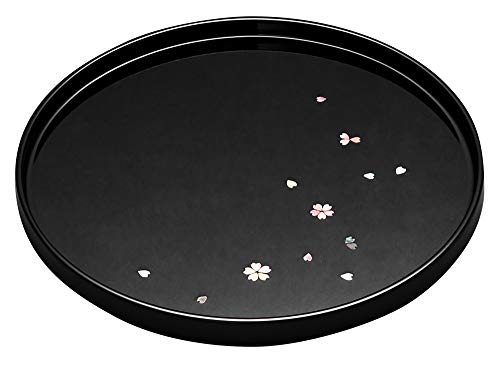 NaraNara Shikki Raden Lacquer TrayNara Shikki revives the raden mother-of-pearl inlay technique preserved in Todaiji's Shosoin treasures…View guide →
 KanagawaKamakura-bori Carved Lacquer Sweets PlateBorn in the Zen temples of Japan's first samurai capital, Kamakura-bori carves wood into peony relief…View guide →
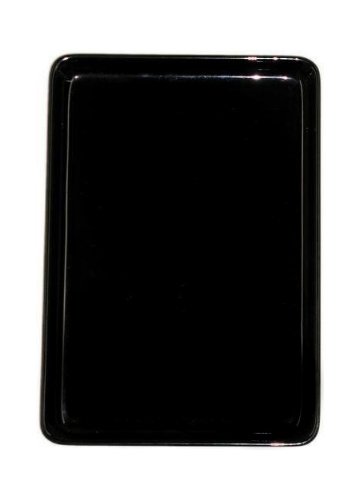 SagaHizen Shu-Urushi Vermilion Lacquer TrayA hand-lacquered vermilion (shu-urushi) round tray from Saga's Hizen lacquer tradition, its deep…View guide →
 HokkaidoHokkaido Ainu Moreu Urushi Lacquer Coaster SetA modern Hokkaido lacquer coaster set finished in urushi over a relief-carved Ainu moreu spiral motif —…View guide →
 OkinawaRyukyu Lacquer Tsuikin TrayRyukyu lacquerware (Ryukyu shikki) carries the Okinawan kingdom's tribute-trade heritage. This vermilion…View guide →
 OitaHita Sugi Fuki-Urushi Cedar TrayA wiped-lacquer (fuki-urushi) serving tray of Hita cedar from Oita, where the urushi sinks into the wood…View guide →
 NiigataMurakami Kibori Tsuishu Carved Lacquer PlateNiigata's Murakami Kibori Tsuishu is deeply carved zelkova layered with vermilion urushi. Here is a…View guide →
 ToyamaTakaoka Shikki Raden Lacquer TrayTakaoka Shikki pairs urushi lacquer with raden mother-of-pearl inlay, born in the same 1609 castle town…View guide →
 GunmaJoshu Fuki-Urushi Keyaki Lacquer PlateA round zelkova plate from Gunma's Joshu highlands, finished in fuki-urushi (wiped lacquer) so the wood…View guide →
 WakayamaKishu Negoro-nuri Lacquer TrayWakayama's Kishu Shikki in the Negoro style layers vermilion urushi over black so it wears to reveal the…View guide →
 TokyoEdo Shikki Tokyo Lacquer Coaster SetYamada Heiando has made Tokyo urushi lacquerware since 1919 as an Imperial Household purveyor. Its Edo…View guide →
 FukushimaAizu-nuri Makie Lacquer TrayA hand-lacquered Aizu obon serving tray from Fukushima, decorated in gold makie over deep urushi. One of…View guide →
 WakayamaKishu Negoro-nuri Lacquer PlateKishu Negoro-nuri layers vermilion urushi over a black ground so the red wears back to reveal black—the…View guide →
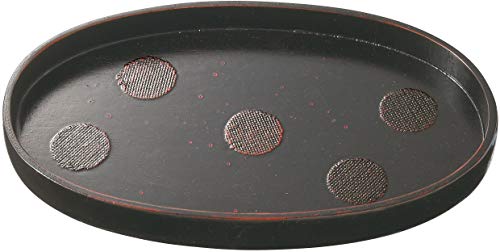 HiroshimaMiyajima-zaiku Rokuro Lacquer TrayMiyajima-zaiku lacquer trays are wood-turned on Itsukushima, the shrine island, then finished in clear…View guide →
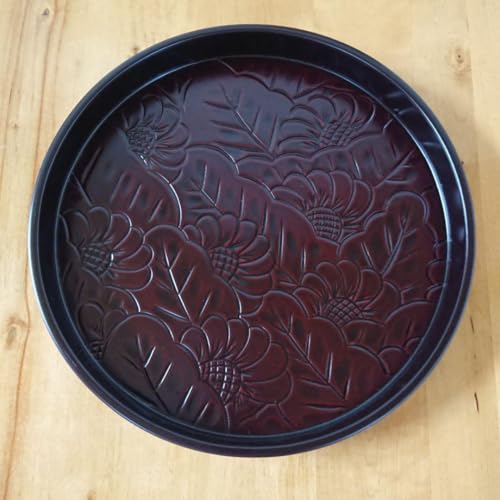 KanagawaKamakura-bori Carved Lacquer TrayKamakura-bori carves a pattern into katsura wood before layering urushi lacquer—a Zen-temple craft born…View guide →
 FukushimaAizu Nuri Makie Lacquer PlateAizu-nuri began when lord Gamo Ujisato brought Omi lacquer artisans to Aizu in 1590. This makie serving…View guide →
 GifuHida Shunkei Lacquer TrayHida Shunkei lacquer lets cypress grain glow through amber urushi—a Takayama craft descended from the…View guide →
More Lacquerware9
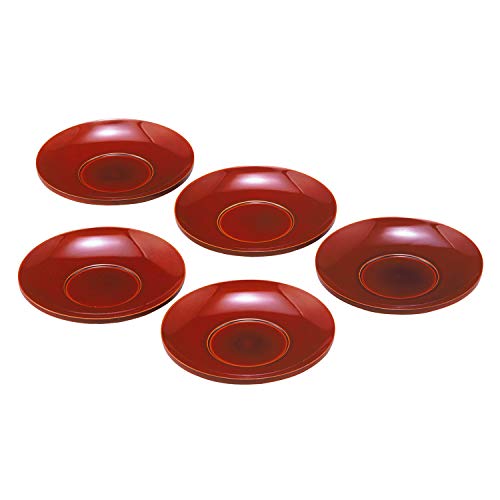 GifuHida Shunkei Lacquer Chataku Tea SaucersHida Shunkei-nuri leaves the wood grain visible under clear amber urushi. These Takayama-made chataku…View guide →
 KagawaKagawa Shikki Kinma Lacquer BowlKagawa Shikki (Sanuki lacquerware) carries the incised, color-filled Kinma technique revived by Tamakaji…View guide →
 OkinawaRyukyu Lacquerware Tsuikin BowlRyukyu shikki is Okinawa's royal lacquerware, born of Ryukyu Kingdom trade. This tsuikin bowl layers…View guide →
 FukuokaKurume Rantai Shikki Bamboo-Core Lacquer BowlRantai shikki layers urushi over a woven bamboo body, giving Fukuoka's Chikugo-region lacquerware a…View guide →
 ShimaneYakumo Nuri Lacquer Chataku Tea Saucer SetYakumo Nuri from Matsue layers translucent lacquer over painted motifs so the colors deepen and surface…View guide →
 GifuHida Shunkei Lacquer Flower Vase (Hanaire)Hida Shunkei is the original transparent-lacquer ware of Takayama, where amber urushi is laid over bare…View guide →
 GifuHida Shunkei-nuri Lacquer Bud VaseHida Shunkei-nuri finishes a turned cypress vase in translucent amber lacquer that lets the raw wood…View guide →
 ShizuokaSuruga Nuri Geta Lacquered Wooden SandalsShizuoka has been Japan's leading geta producer since its Sunpu castle-town days, finishing paulownia…View guide →
 NiigataMurakami Kibori Tsuishu Carved Lacquer Tea Saucer (Chataku)Murakami Kibori Tsuishu is Niigata's carved-and-lacquered wood craft, where the grain is chiseled before…View guide →
Textiles & Fashion
111 crafts
📚 Complete buying guide: Japanese Textiles →
Indigo, silk and cotton — woven, dyed and stitched by hand.
Neckties9
 MiyagiSendai Hira Silk NecktieSendai-hira is Miyagi's most formal woven silk, born from Date-clan patronage and once reserved for the…View guide →
 GunmaKiryu-ori Silk NecktieKiryu in Gunma has woven silk since antiquity and still anchors Japan's necktie trade. A jacquard-woven…View guide →
 AichiArimatsu Shibori ScarfArimatsu-Narumi Shibori is Japan's most refined tie-dye tradition, born in 1608 along the old Tokaido…View guide →
 YamagataYonezawa-ori Silk NecktieYonezawa-ori silk neckties carry the dyed-silk weaving the Uesugi domain nurtured in snowbound Yamagata…View guide →
 AkitaAkita Hachijo Plant-Dyed Silk NecktieAkita Hachijo is a hand-woven silk dyed with local kariyasu grass for its signature glowing yellow…View guide →
 JapanSanui Hakata Ori Necktie KenjogaraHakata-ori (博多織) is the **silk-brocade weaving tradition of Hakata** in northern Fukuoka Prefecture —…View guide →
 AichiArimatsu Narumi Shibori TenuguiArimatsu Narumi shibori is Japan's tie-dye heartland, born along the old Tokaido road in Owari. Here is…View guide →
 AichiArimatsu Shibori Indigo Cotton HandkerchiefArimatsu-Narumi Shibori is Aichi's Tokaido tie-dye, born in a 1608 post town. This hand-dyed indigo…View guide →
 KyotoNishijin-ori Silk NecktieA yarn-dyed jacquard tie woven in Kyoto's Nishijin district, where court weavers have worked silk since…View guide →
Scarves & Stoles23
 WakayamaKishu Nel Cotton Flannel MufflerWoven in Wakayama, Japan's cotton-flannel heartland, the Kishu nel muffler pairs soft brushed-cotton…View guide →
 ShigaOmi-Jofu Ramie Linen StoleOmi-Jofu is Shiga's nationally designated ramie textile, hand-woven along the Aichi River east of Lake…View guide →
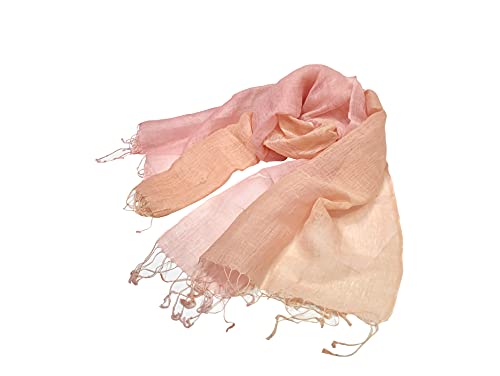 YamagataYonezawa-ori Silk StoleYonezawa-ori is Yamagata's samurai-domain silk, revived by reformer Uesugi Yozan and dyed with the…View guide →
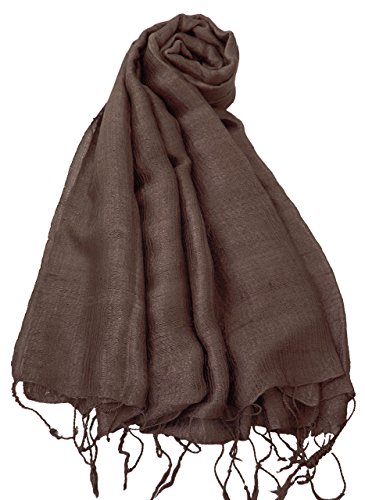 IwateIwate Homespun Wool ScarfIwate's homespun weavers card, spin, and hand-loom pure wool into soft, lightweight tweed scarves. A…View guide →
 SaitamaChichibu Meisen Silk ScarfChichibu Meisen is Saitama's bold, double-sided silk woven by the hogushi-zome process, where warp…View guide →
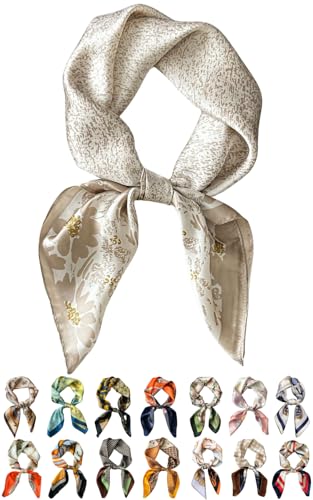 SaitamaChichibu Meisen Silk StoleChichibu Meisen is Saitama's reversible ikat silk, born from mountain sericulture and the daring…View guide →
 KanagawaYokohama Silk ScarfBorn from the silk-export port that opened Japan in 1859, the Yokohama scarf is hand-screen nassen…View guide →
 IshikawaKaga Yuzen Silk ScarfKaga Yuzen is Kanazawa's painterly silk dyeing, built on five earthy 'gosai' colors and realistic…View guide →
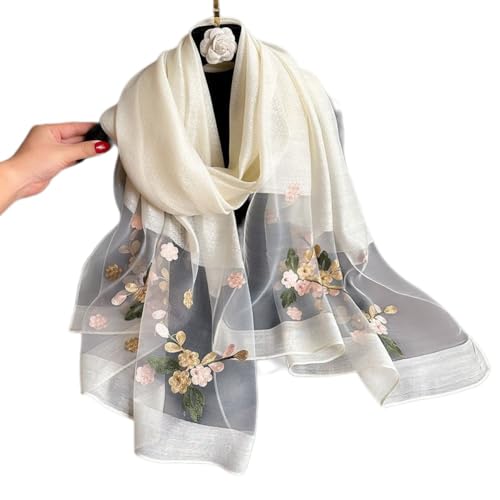 IshikawaKaga Yuzen Hand-Dyed Silk ScarfKaga Yuzen is Kanazawa's hand-painted silk dyeing, built on five earthy Kaga colors and realistic…View guide →
 NiigataOjiya Chijimi Ramie Crepe StoleOjiya Chijimi is Niigata's snow-country ramie crepe, woven from hand-spun choma fiber and bleached on…View guide →
 IbarakiYuki Tsumugi Silk StoleYuki Tsumugi is Ibaraki's UNESCO-listed silk, hand-spun from floss silk without twist and woven on a…View guide →
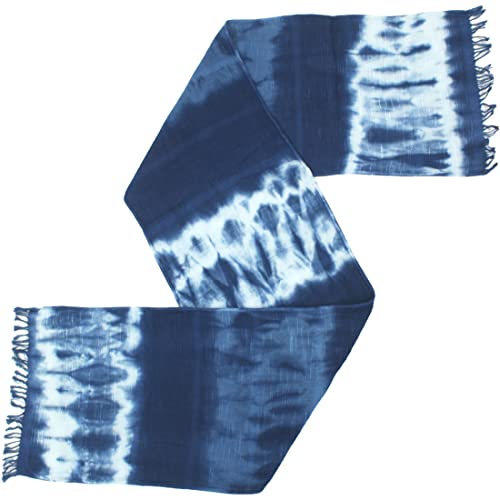 TokushimaAwa Shijira-ori Indigo Cotton StoleAwa Shijira-ori, a puckered indigo cotton from Tokushima, uses a rippling shibo surface that lifts the…View guide →
 KagoshimaOshima Tsumugi Silk StoleOshima Tsumugi is one of the world's most labor-intensive silk weaves, dyed in Amami's iron-rich mud and…View guide →
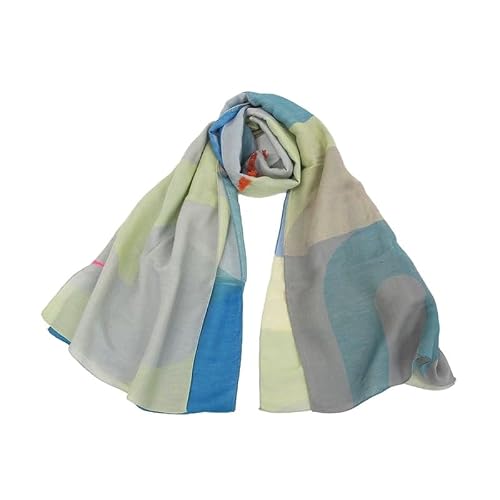 HyogoBanshu-ori Yarn-Dyed Cotton StoleA lightweight all-season stole woven in Nishiwaki, Hyogo from sakizome (yarn-dyed) cotton. We explain…View guide →
 TochigiYuki Tsumugi Hand-Spun Silk StoleYuki Tsumugi is hand-spun from real silk floss and woven on a backstrap loom in Oyama, Tochigi — a…View guide →
 IshikawaUshikubi Tsumugi Silk StoleWoven at the foot of Mt. Haku from hand-drawn double-cocoon yarn, Ushikubi Tsumugi is the pongee so…View guide →
 ChibaChoshi Chijimi Cotton Crepe StoleChoshi Chijimi is a rare indigo cotton crepe from Chiba's Tone River port, its twisted-weft shibo…View guide →
 YamagataYonezawa-ori Benibana Silk StoleYonezawa-ori is the silk that saved a bankrupt domain. Woven in Yamagata and colored with Mogami…View guide →
 YamagataYonezawa-ori Benibana Silk ScarfYonezawa-ori is the silk woven in Yamagata's old Uesugi castle town, dyed with benibana safflower along…View guide →
 NiigataOjiya Chijimi Ramie StoleOjiya Chijimi is Niigata's snow-bleached ramie crepe, a UNESCO-listed summer textile with a crisp shibo…View guide →
 NiigataOjiya-chijimi Ramie Summer StoleA snow-bleached ramie crepe from Niigata's Echigo snow country, Ojiya-chijimi twists cool, crinkled…View guide →
 ShigaOmi Jofu Ramie StoleOmi Jofu is a ramie-and-hemp summer cloth woven on the humid eastern shore of Lake Biwa and carried…View guide →
 KanagawaYokohama Scarf Hand-Printed Silk ScarfA hand-screen-printed pure silk scarf from Yokohama, the port city that once shipped most of Japan's raw…View guide →
Apparel5
 YamanashiMakita Shoten Koshu-ori Jacquard ParasolA densely woven jacquard parasol from Yamanashi's Gunnai weaving district, heir to Edo-era Kaiki lining…View guide →
 FukuokaHakata-ori Kenjo Silk ObiFukuoka's Hakata-ori is a 770-year silk weave whose ridged kenjo sash was presented yearly to the Kuroda…View guide →
 FukuokaHakata-ori Silk Kaku-ObiHakata-ori is Fukuoka's flagship silk weave, taut and ribbed so the sash holds its knot. Here is where…View guide →
 GunmaIsesaki Meisen Silk Haori JacketGunma's Isesaki Meisen is the bold-patterned silk that dressed Taisho Japan. Here is where to find an…View guide →
 TokushimaAwa Shijira-ori Cotton JinbeiA breathable Awa Shijira-ori jinbei from Tokushima — puckered indigo cotton woven to barely touch the…View guide →
Bags & Cases30
 AomoriTsugaru Kogin-zashi Embroidered PouchTsugaru Kogin-zashi is a counted-stitch embroidery born of Edo-era Aomori, white cotton worked into…View guide →
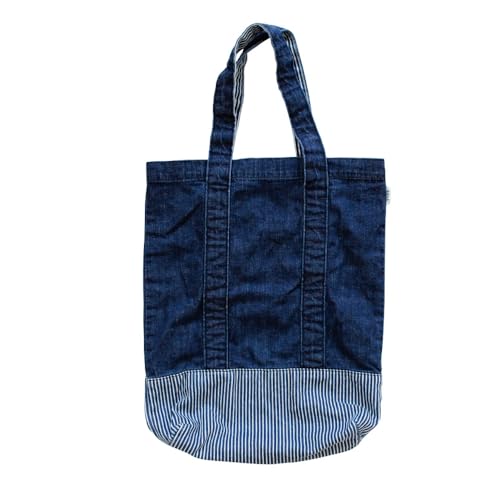 OkayamaKojima Denim Selvedge Tote BagFrom Kurashiki's Kojima district, the birthplace of Japanese jeans, comes a heavyweight selvedge denim…View guide →
 JapanIndenya Koshu Inden Bifold WalletKōshū inden (甲州印伝) is the **lacquered-deerskin tradition of Yamanashi Prefecture** — practiced…View guide →
 EhimeIyo-Gasuri Indigo Cotton Gamaguchi Coin PurseIyo-gasuri is one of Japan's three great kasuri weaves, born in Matsuyama. This clasp-frame gamaguchi…View guide →
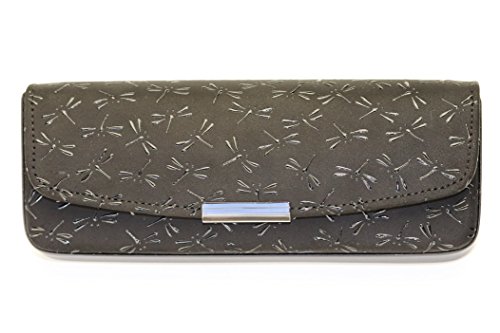 NaganoUeda Tsumugi Silk Eyeglass CaseUeda Tsumugi is one of Japan's three great silk pongees, woven in Nagano's old Sanada castle town. This…View guide →
 YamaguchiYanai-jima Kingyo Cotton PouchYanai-jima is the yarn-dyed striped cotton of Yamaguchi's old port town of Yanai, home to the…View guide →
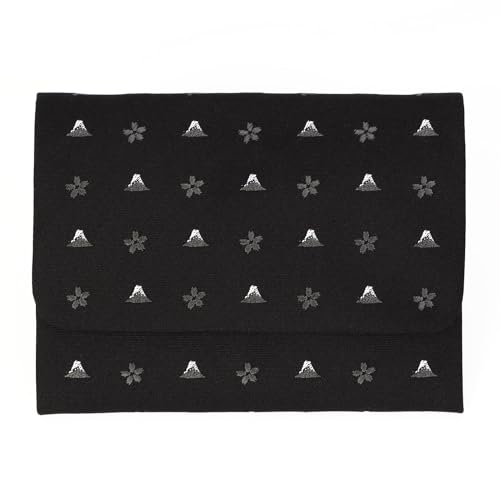 KyotoNishijin Ori Silk Card CaseFrom Heian-era looms to post-Onin War weavers in west Kyoto, Nishijin-ori carries 1,200 years of silk…View guide →
 NaganoUeda Tsumugi Silk Gamaguchi Coin PurseWoven in Nagano's old Sanada castle town of Ueda, this striped saki-zome silk coin purse carries one of…View guide →
 KochiTosa Cotton Tote BagA hand-woven tote in Tosa cotton (Tosa-men), the sturdy cloth that Tosa-han once cultivated along the…View guide →
 KagoshimaHonba Oshima Tsumugi Silk Eyeglass CaseHonba Oshima Tsumugi is one of Japan's three great silk tsumugi, hand-woven on Amami Oshima and colored…View guide →
 TochigiAshikaga Meisen Silk Card CaseAshikaga Meisen is Tochigi's bold, ikat-patterned everyday silk, woven in the hometown of the Ashikaga…View guide →
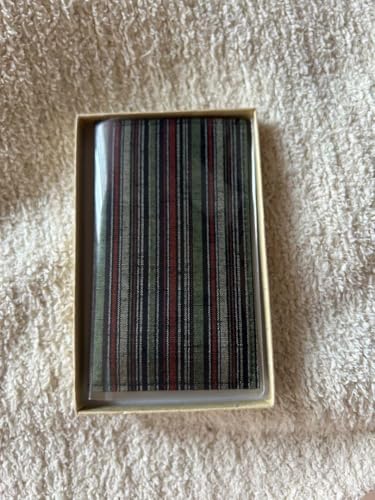 NaganoUeda Tsumugi Silk Card CaseUeda Tsumugi is the Sanada castle town's slubbed silk, prized for a durability so legendary it outlasts…View guide →
 ShizuokaEnshu Cotton Stripe Kinchaku PouchEnshu cotton stripe has been woven by the Tenryu River since Tokugawa times. Where to buy an authentic…View guide →
 NagasakiNagasaki Sarasa Cotton PouchBorn from Dejima's foreign trade, Nagasaki sarasa puts stencil-dyed calico motifs on a small cotton…View guide →
 HiroshimaBingo Kasuri Indigo Cotton Kinchaku PouchA drawstring kinchaku pouch woven from Bingo Kasuri, the indigo cotton ikat of eastern Hiroshima counted…View guide →
 YamagataUetsu Shinafu Bast Fiber Tote BagWoven from shina-tree bast fiber in Yamagata's Sekigawa village, Uetsu Shinafu ranks among Japan's three…View guide →
 HokkaidoAinu Embroidery Pouch (Ainu Monyo)A cotton zip pouch hand-stitched with Ainu monyo — the moreu spiral and aiushi thorn motifs of…View guide →
 NaganoShinshu Tsumugi Silk Card CaseHand-woven Shinshu Tsumugi silk from Nagano's old sericulture belt, plant-dyed and cut into a slim card…View guide →
 IbarakiYuki Tsumugi Silk Gamaguchi Coin PurseYuki Tsumugi is hand-spun true-silk floss woven on a backstrap loom in Ibaraki — a UNESCO-listed cloth…View guide →
 HiroshimaBingo Kasuri Indigo Cotton Tote BagBingo Kasuri from Fukuyama is one of Japan's three great kasuri. This indigo-dyed cotton tote turns…View guide →
 MieMatsusaka Momen Indigo Stripe Eyeglass CaseA slim eyeglass case sewn from Matsusaka Momen, the indigo-striped cotton that dressed Edo's…View guide →
 FukushimaAizu Momen Cotton Gamaguchi PouchWoven in Aizu for over four centuries, this indigo-striped cotton pouch carries the sturdy everyday…View guide →
 OkayamaKurashiki Hanpu Canvas ToteWoven on vintage low-tension shuttle looms in Okayama's old cotton port of Kurashiki, Baistone hanpu…View guide →
 FukuokaKurume Kasuri Indigo Cotton Tote BagKurume Kasuri is one of Japan's three great ikat weaves, hand-tied and indigo-dyed in Fukuoka's Chikugo…View guide →
 FukushimaAizu Momen Striped Cotton Tote BagAizu Momen is the sturdy striped cotton of Fukushima's old castle town, woven since the days of lord…View guide →
 AkitaAkita Hachijo Silk Eyeglass CaseAkita Hachijo is a rare plant-dyed silk from the old Satake domain, its kariyasu golden-yellow hira-ori…View guide →
 OkinawaYaeyama Minsa Cotton Card CaseOkinawa's Yaeyama Minsa weaves a 5-and-4 stripe meaning 'together forever.' Where to buy an authentic…View guide →
 TokyoEdo Komon Silk Gamaguchi Coin PurseEdo Komon is Tokyo's samurai-era stencil-dyed silk, its tiny komon pattern born of Edo sumptuary…View guide →
 FukuokaHakata-ori Silk Gamaguchi Coin PurseA firm, crisp silk coin purse woven in Fukuoka's 800-year Hakata-ori tradition, carrying the kenjo-gara…View guide →
 MieMatsusaka Momen Indigo Stripe Tote BagMatsusaka Momen is the indigo-striped cotton that dressed Edo's townspeople, woven in Mie's old merchant…View guide →
Towels6
 TochigiMooka Cotton TenuguiMooka Momen was Edo's most prized cotton, famed for its whiteness, softness, and durability. This…View guide →
 TochigiMoka Momen Indigo Cotton Tenugui Hand TowelMoka Momen was Edo's most prized cotton, once supplying the shogun's capital with its finest cloth. This…View guide →
 KagawaHota-ori Cotton Waffle-Weave Bath TowelHota-ori is Takamatsu's 330-year-old waffle-weave cotton, its tiny air pockets keeping it breathable and…View guide →
 OsakaSenshu TowelSenshu towels from Izumisano in southern Osaka—the birthplace of Japan's towel industry—use post-weave…View guide →
 EhimeImabari Towel Hand TowelJapan-based editorial team in Toyama and Nara introduces Imabari Towel — Ehime's Setouchi soft-water…View guide →
 OsakaSenshu TowelSenshu in southern Osaka is the birthplace of Japan's towel industry. Post-bleach (atozarashi) finishing…View guide →
Home & Cushions7
 SagaNabeshima Dantsu Cotton Chair PadNabeshima Dantsu is Saga's hand-knotted cotton pile weave, once a Nabeshima-domain monopoly gifted to…View guide →
 ShizuokaHamamatsu Chusen Tenugui Enshu CottonOne of Japan's three great chusen dyeing towns, Hamamatsu pours dye through stencils to color Enshu…View guide →
 FukuokaKurume Kasuri Indigo Cotton Cushion CoverKurume Kasuri is one of Japan's three great ikat traditions, hand-tied and indigo-dyed thread by thread…View guide →
 FukuokaKurume Gasuri Indigo Cotton Cushion CoverKurume Gasuri is the indigo cotton ikat born in Fukuoka's Chikugo plain around 1800. Here is where to…View guide →
 KumamotoYatsushiro Igusa Hanagoza Rush PlacematYatsushiro in Kumamoto has grown Japan's finest igusa rush since the 1500s. Here's what sets hanagoza…View guide →
 KagawaSanuki Kagari Temari Thread BallSanuki Kagari Temari are decorative thread balls hand-embroidered in Kagawa with plant-dyed cotton…View guide →
 MieMatsusaka Momen Indigo-Striped Noren CurtainMatsusaka Momen is the indigo-striped cotton that made Edo-era merchants fashionable nationwide…View guide →
Tenugui, Noren & Cloth28
 NaraShirakiya Snow White Fukin Nara Sarashi Dish ClothKaya-weave dish cloths rooted in Nara's Sarashi bleaching tradition. Where US readers buy Shirakiya Snow…View guide →
 KyotoKyoto Yuzen Furoshiki Wrapping ClothA Kyoto Yuzen-dyed furoshiki turns one square of cloth into reusable gift wrap, a bento cover, or a…View guide →
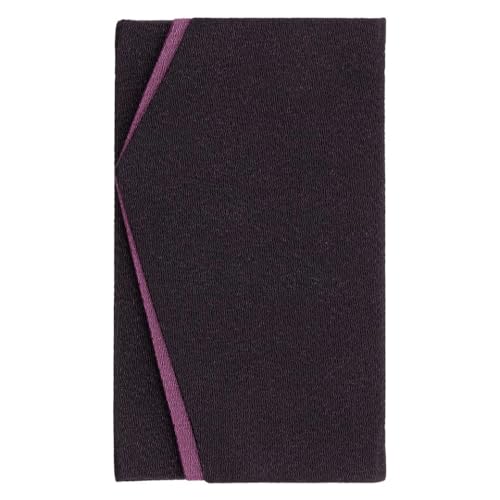 FukuiFukui Habutae Shioze Silk FukusaFukui made Japan the world's silk capital in the Meiji era, and its Shioze habutae—a thick, even…View guide →
 TokyoEdo Komon Silk Pocket SquareEdo Komon is Tokyo's stencil-dyed textile born from samurai kamishimo formalwear — solid from afar…View guide →
 HyogoBanshu-ori Cotton HandkerchiefBanshu-ori is Japan's leading yarn-dyed cotton, woven in Nishiwaki since 1792. A soft gauze handkerchief…View guide →
 MiyagiSendai-hira Silk HakamaSendai-hira is the silk hakama cloth that the Date domain raised to Japan's formal standard. Hand-woven…View guide →
 NiigataOjiya Chijimi Ramie NorenOjiya Chijimi is a snow-bleached ramie crepe from Niigata, a UNESCO-listed craft. Here is how a genuine…View guide →
 OitaKunisaki Shittoi Rush Woven Coaster SetHand-woven on the Kunisaki Peninsula from shittoi, a triangular rush grown nowhere else in Japan, these…View guide →
 OkinawaRyukyu Bingata NorenA Ryukyu Bingata noren carries Okinawa's vivid stencil-dyed motifs—hibiscus, waves, and birds—to your…View guide →
 ShigaOmi Jofu Ramie Linen HandkerchiefOmi Jofu is Shiga's ramie linen, woven near Lake Biwa where humid air keeps the bast threads supple…View guide →
 ShigaOmi-jofu Ramie Linen NorenOmi-jofu is Shiga's METI-designated ramie linen, woven along Lake Biwa's humid east shore and spread…View guide →
 JapanNibutani Attus Ainu Coaster Kaizawa YukikoNibutani attus (二風谷アットゥシ) is the **woven inner-bark cloth tradition of the Ainu** of Hokkaido —…View guide →
 GifuGujo Tsumugi Silk Book CoverGujo Tsumugi is a hand-woven, plant-dyed silk pongee from Gifu's Gujo-Hachiman castle town. This book…View guide →
 ShimaneHirose Kasuri Indigo Table RunnerHirose Kasuri is Shimane's bold picture-kasuri, indigo-dyed cotton woven in Yasugi since the 1820s. This…View guide →
 IshikawaKaga Yuzen Silk HandkerchiefKaga Yuzen is Kanazawa's hand-painted silk dyeing, defined by the muted Kaga gosai palette and realistic…View guide →
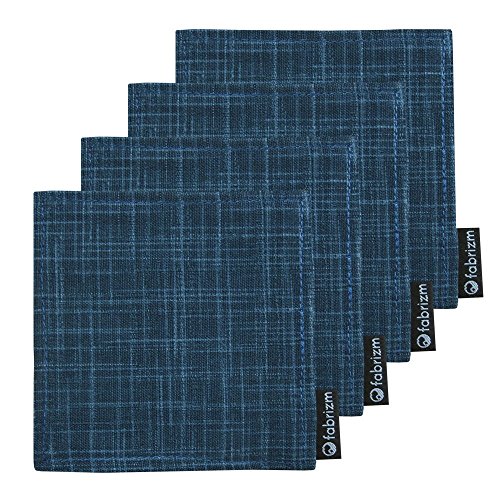 TottoriYumihama Kasuri Coaster SetFrom Tottori's Yumigahama dunes, indigo-and-white yumihama kasuri weaves pre-dyed cotton threads into…View guide →
 NiigataOjiya Chijimi Ramie Table RunnerA crinkle-textured ramie (choma) table runner woven in Niigata's snow country, finished by the…View guide →
 OsakaNaniwa Honzome Chusen Noren CurtainNaniwa Honzome is Osaka's hand-poured chusen dyeing, the technique born in Sakai in the 1880s. A noren…View guide →
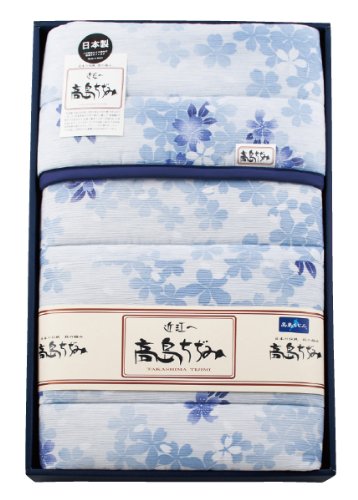 ShigaTakashima Chijimi Crepe Cotton BlanketWoven on the soft water of Lake Biwa, Takashima Chijimi is Japan's foremost crepe cotton — its…View guide →
 NiigataOjiya Chijimi Ramie NorenOjiya Chijimi is Niigata's snow-country ramie cloth, hand-twisted into a crinkled shibo crepe and…View guide →
 TokyoTomita Some Kogei Edo Komon Silk Pocket SquareEdo Komon is a Tokyo stencil-dyed silk so fine it reads as a solid color until it catches the light…View guide →
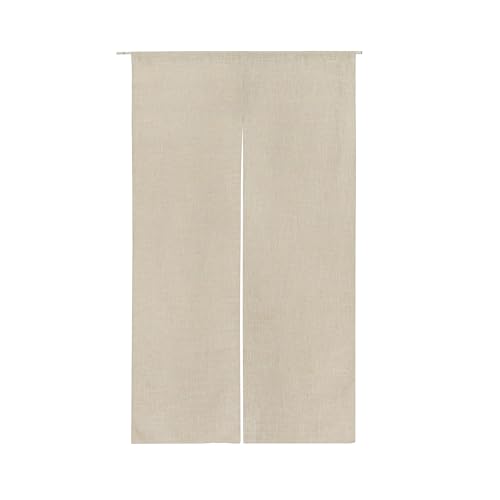 FukuokaKurume Kasuri Indigo Cotton Noren CurtainKurume Kasuri is one of Japan's three great kasuri traditions, woven from pre-dyed indigo threads whose…View guide →
 ShigaOmi Jofu Hemp FukinA ramie fukin from Shiga's Echi River valley, home of Omi Jofu, one of Japan's great summer hemp…View guide →
 IshikawaKaga Yuzen Silk FuroshikiA hand-painted silk furoshiki dyed in the Kaga Yuzen tradition of Kanazawa, defined by the five…View guide →
 NiigataOjiya Chijimi Ramie Crepe Table RunnerOjiya Chijimi is Niigata's snow-country ramie crepe, woven with high-twist weft for a crisp, cooling…View guide →
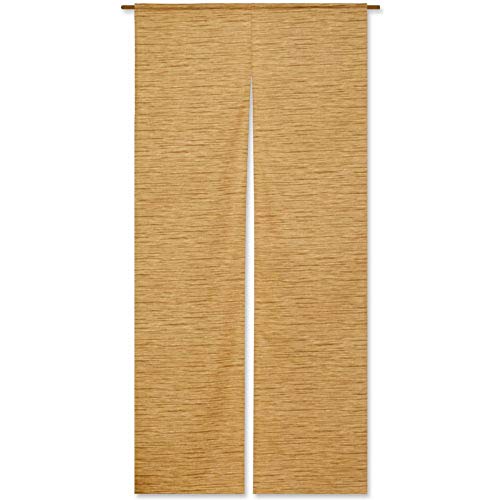 ShigaOmi Jofu Ramie Indigo Kasuri NorenOmi Jofu is Shiga's flagship ramie textile—crisp hand-twisted hemp with crepe shibo texture and indigo…View guide →
 OkinawaRyukyu Bingata Coaster SetBingata is the vivid paste-resist stencil dyeing once reserved for Ryukyu royalty. This coaster set…View guide →
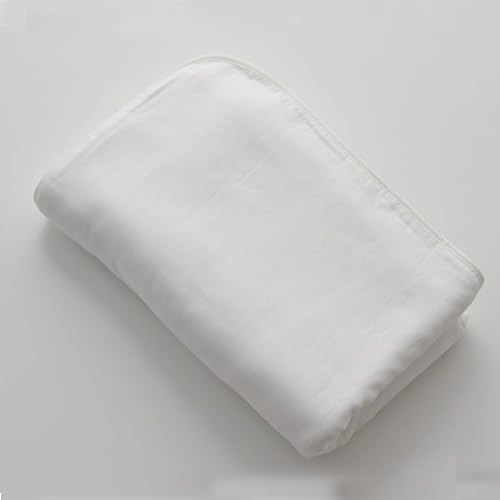 HyogoBanshu-ori Yarn-Dyed Cotton Gauze BlanketWoven in Nishiwaki, Hyogo since 1792, Banshu-ori is Japan's leading yarn-dyed cotton. Its sakizome…View guide →
More Textiles3
 FukuokaKurume Kasuri Monpe TrousersKurume Kasuri, one of Japan's three great ikat weaves, turns hand-dyed indigo cotton into easy monpe…View guide →
 FukushimaAizu Momen Indigo-Stripe Cotton ApronAizu Momen is Fukushima's thick indigo-striped cotton, woven since a 16th-century lord brought the craft…View guide →
 ToyamaJohana Shike-kinu Silk Goshuincho CoverJohana Shike-kinu is Toyama's last surviving slub-silk weave, born in a Jodo Shinshu temple town. Woven…View guide →
Knives & Blades
66 crafts
📚 Complete buying guide: Japanese Knives & Blades →
Hand-forged carbon-steel kitchen and craft knives from the old swordsmith towns.
Santoku3
 FukuiEchizen Uchihamono Hand-Forged Santoku KnifeEchizen Uchihamono knives carry seven centuries of Fukui swordsmithing into the kitchen. Here is where…View guide →
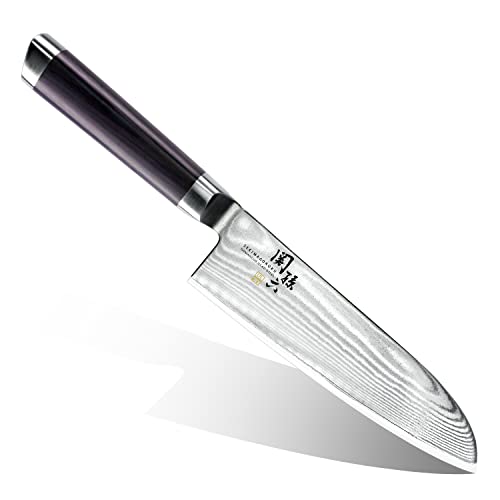 FukuiEchizen Yu Kurosaki Senko Santoku KnifeA hammered-finish santoku forged in Takefu, the heart of Echizen blade country, by smith Yu Kurosaki…View guide →
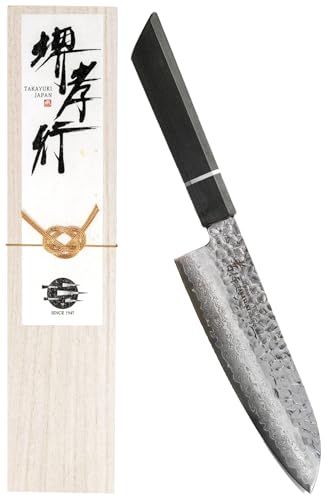 IwateNambu Hand-Forged Kurouchi Santoku KnifeA rustic black-forged santoku from Iwate, where Nambu iron and the ancient Mokusa sword smiths shaped…View guide →
Nakiri9
 NaganoShinshu Uchihamono Nakiri KnifeA hand-forged double-bevel nakiri from Nagano's Shinshu Uchihamono smiths, whose fire-forged, thin…View guide →
 IshikawaKaga Hamono Hand-Forged Nakiri KnifeA double-edged nakiri forged by Kanazawa smiths in the Kaga metalworking lineage behind Japan's gold…View guide →
 ShimaneShimane Okuizumo Tatara Steel Nakiri KnifeA double-bevel nakiri vegetable knife forged in the Izumo region of Shimane, where Okuizumo's tatara…View guide →
 KumamotoKawashiri Hocho Kurouchi NakiriA hand-forged Kumamoto vegetable knife from Kawashiri, the Higo port town where swordsmiths once served…View guide →
 FukuokaMiike Uchihamono Kurouchi Nakiri KnifeA hand-forged vegetable knife from Ōmuta's Miike blade tradition in southern Fukuoka. Rustic kurouchi…View guide →
 OkayamaBizen Osafune Nakiri KnifeA hand-forged nakiri vegetable knife from Okayama's Osafune, the ancient Bizen-den swordmaking heartland…View guide →
 FukuiEchizen Uchihamono Kurouchi Nakiri KnifeA hand-forged vegetable knife from Echizen, Fukui — Japan's first nationally designated cutlery craft…View guide →
 YamagataYamagata Uchihamono Hand-Forged Nakiri KnifeA hand-forged vegetable knife from Yamagata, where a Kyoto swordsmith settled in the 1400s and seeded…View guide →
 KochiTosa Uchihamono Kuro-uchi NakiriTosa's free-forged kuro-uchi nakiri pairs a rustic black blacksmith finish with a flat edge built for…View guide →
Gyuto & Chef5
 KumamotoKawajiri Uchihamono Gyuto Chef KnifeKawajiri Uchihamono is Kumamoto's port-town blacksmith tradition, born under Kato Kiyomasa and the…View guide →
 OsakaSakai Takayuki Gyuto Chef KnifeA double-bevel gyuto from Sakai, the Osaka forging town that arms most of Japan's professional chefs…View guide →
 NaraNara Yamato-den Hand-Forged Gyuto Chef KnifeA Nara knife house descended from the Yamato-den temple swordsmiths forges this carbon-steel gyuto…View guide →
 NiigataTojiro DP Gyuto Chef KnifeA VG10-core, three-layer clad gyuto forged in Sanjo, Niigata's centuries-old blade town. The DP series…View guide →
 ShigaKunitomo Hand-Forged Gyuto KnifeA hand-forged gyuto chef's knife from Shiga's Kunitomo, once one of Japan's two great matchlock-gun…View guide →
Petty & Paring3
 OitaOita Bungo Hand-Forged Petty KnifeA hand-forged kurouchi petty knife from Oita, where the Bungo Takada swordsmith lineage turned…View guide →
 ShizuokaShimada Uchihamono Petty KnifeShimada in Shizuoka once forged blades for the Imagawa and Takeda; today its smiths hand-forge petty…View guide →
 KanagawaMasamune Kogei Kamakura Hand-Forged Petty KnifeA hand-forged petty knife from Kamakura's Masamune Kogei, carrying the Soshu sword tradition of…View guide →
Deba & Fish Knives7
 TokyoTokyo Tsukiji Yanagiba Sashimi KnifeA single-bevel yanagiba forged in the Edo blade tradition of Tokyo's Tsukiji district, the long, thin…View guide →
 SagaSaga Hizen Hand-Forged Ajikiri Fish KnifeA single-bevel ajikiri forged in Saga, heir to the Hizen Tadayoshi swordsmith line. Built for breaking…View guide →
 AichiOwari Honesuki Boning KnifeA single-bevel Japanese boning knife from Aichi's Owari blade lineage, the same Nagoya region that…View guide →
 WakayamaKishu Hand-Forged Deba KnifeA single-bevel deba forged in the Kishu tradition of Wakayama, where Saiga gunsmith ironwork met the…View guide →
 JapanTosa Uchihamono Funayuki Knife KurouchiTosa uchihamono (土佐打刃物) is the **forged-blade tradition of Kōchi Prefecture** on Shikoku — practiced…View guide →
 TokushimaAwa Kaifu Hand-Forged Funayuki KnifeA hand-forged funayuki knife from Kaifu, Tokushima — where the medieval Kaifu-to sword tradition lives…View guide →
 NagasakiNagasaki Hizen Hand-Forged Ajikiri Fish KnifeA hand-forged ajikiri rooted in Nagasaki's Hizen smithing lineage — a compact single-bevel knife shaped…View guide →
Bunka4
 HiroshimaHiroshima Bingo Hand-Forged Bunka KnifeA hand-forged bunka knife carrying the Bingo Mihara sword-forging lineage of eastern Hiroshima…View guide →
 FukushimaAizu Hand-Forged Bunka KnifeA hand-forged bunka knife from Fukushima's Aizu region, where samurai-era swordsmithing techniques carry…View guide →
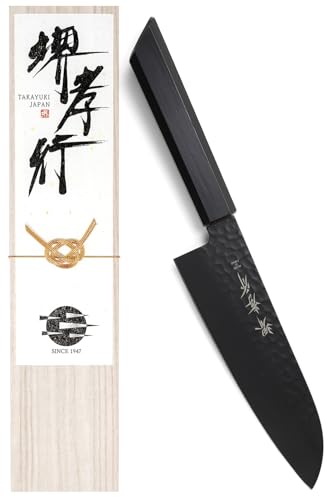 AomoriTsugaru Uchihamono Bunka KnifeA hand-forged Tsugaru bunka kitchen knife from Hirosaki, where Tsugaru-domain swordsmiths turned to…View guide →
 KochiTosa Kurouchi Bunka KnifeA hand-forged Tosa Uchihamono bunka knife from Kochi, where 400 years of free-forging (jiyu-tanzo)…View guide →
Chisels, Saws & Planes8
 HyogoMiki Uchihamono Oire Nomi Bench ChiselMiki Uchihamono oire-nomi are laminated white-steel bench chisels from Hyogo's carpentry-tool capital…View guide →
 NiigataEchigo Sanjo Oire-Nomi Japanese Bench ChiselFrom Niigata's blacksmith town of Sanjo, the oire-nomi is a laminated high-carbon bench chisel built for…View guide →
 NiigataEchigo Yoita Kanna Japanese Hand PlaneA Yoita-forged kanna carries four centuries of Echigo toolmaking in a laminated white-steel blade and…View guide →
 HyogoGyokucho Razorsaw Ryoba Japanese Pull SawA double-edged ryoba pull saw from Hyogo's Banshu Miki blacksmith tradition, cutting on the pull stroke…View guide →
 HyogoMiki Uchihamono Ryoba Pull SawFrom Hyogo's centuries-old 'city of hardware,' the Miki Uchihamono ryoba is a double-edged Japanese pull…View guide →
 HyogoMiki Uchihamono Oire Nomi Japanese Bench ChiselA hand-forged laminated bench chisel from Banshu Miki, Hyogo — Japan's great hardware town. Blue-steel…View guide →
 HyogoBanshu Miki Oire-Nomi Japanese ChiselA hand-forged Japanese bench chisel from Miki, Hyogo — laminated high-carbon steel on soft iron, the…View guide →
 HyogoBanshu Miki Oire Nomi Bench ChiselBanshu Miki's hand-forged oire-nomi bench chisel laminates hard white steel to soft iron for a keen…View guide →
Grooming4
 NiigataSuwada Classic Nail NipperA precision nail nipper hand-forged by Suwada in Sanjo, Niigata, where the Shinano River's blacksmith…View guide →
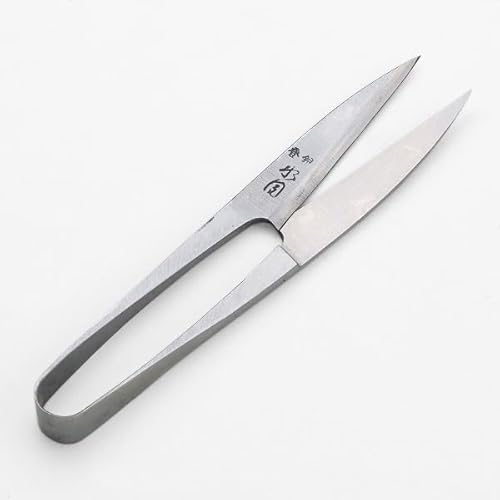 KagoshimaTanegashima Hand-Forged Nigiri ScissorsForged on the island where Japan's first matchlock guns were made in 1543, Tanegashima nigiri-basami…View guide →
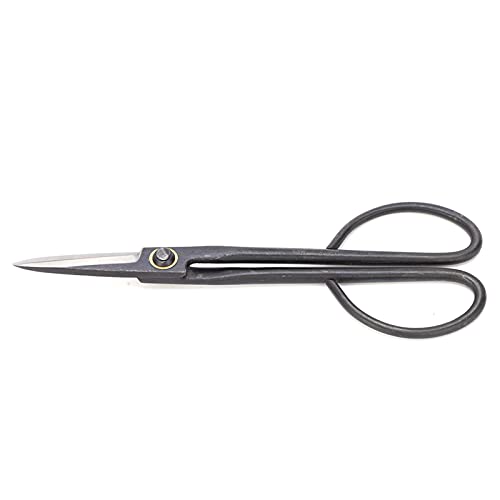 SaitamaJapanese Bonsai Shears (Koeda-basami)Hand-forged Japanese bonsai shears from Saitama's Omiya tradition — precise koeda-basami built for…View guide →
 KyotoKyo Hamono Warabite Ikebana Flower Scissors (Hanabasami)Kyoto is the birthplace of ikebana, and its Kyo Hamono smiths forge the warabite-gata hanabasami —…View guide →
Garden, Sickle & Shears12
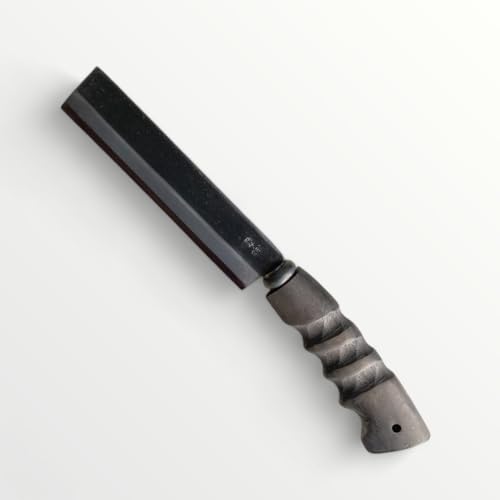 MiyazakiMiyakonojo Uchihamono Nata HatchetA full-tang nata hatchet hand-forged end to end by one Miyakonojo smith — Miyazaki's nationally…View guide →
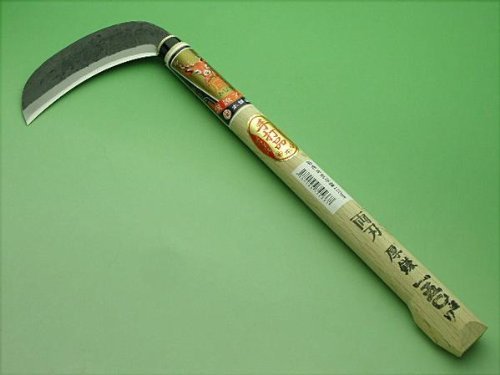 KochiTosa Uchihamono Garden Sickle (Kama)A free-forged Japanese grass sickle from Kochi's 400-year Tosa Uchihamono tradition. Learn what sets its…View guide →
 NaganoShinshu Uchihamono Hand-Forged SickleA thin, razor-sharp sickle hand-forged in Nagano, where Sengoku-era smiths who served at Kawanakajima…View guide →
 ChibaChiba Koshogu Hand-Forged Grass SickleA nationally designated Chiba craft, Koshogu hand-forges blades on the Kujukuri plain. This high-carbon…View guide →
 ChibaChiba Kosho-gu Hand-Forged Garden SickleA hand-forged kama from the Boso peninsula's Chiba Kosho-gu blacksmiths, the farm-and-garden tool…View guide →
 ShimaneOkatsune Pruning ShearsForged in Yasugi, the heart of Izumo's thousand-year tatara steel tradition, Okatsune's bypass secateurs…View guide →
 GunmaJoshu Hand-Forged Mulberry Sickle (Kama)A hand-forged Japanese mulberry sickle (kama) from Gunma's silk country, where Tomioka's mills and…View guide →
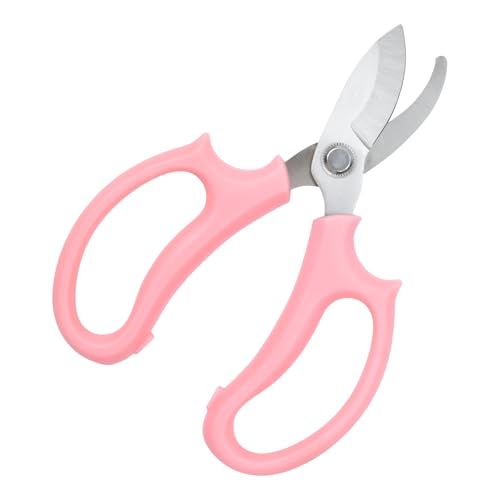 ChibaChiba Kosho-gu Hand-Forged Bonsai Pruning ShearsForged in the old farm-tool smithies of the Shimosa plain, Chiba Kosho-gu bonsai shears pair a clean…View guide →
 NaganoShinshu Uchihamono Nata HatchetForged in Nagano's Shinshu blade district, the single-bevel nata is a laminated carbon-steel hatchet…View guide →
 HyogoBanshu Miki Bonsai Pruning ShearsHand-forged carbon-steel pruning shears from Banshu Miki, Hyogo's centuries-old hardware town. Classic…View guide →
 KochiTosa Uchihamono Hand-Forged Nata HatchetA double-bevel kurouchi nata hatchet free-forged by Tosa smiths in Kochi, where 400 years of jiyu-tanzo…View guide →
 NaganoShinshu Uchihamono Garden SickleShinshu Uchihamono garden sickles trace to swordsmiths who settled after the Kawanakajima…View guide →
Specialty Knives6
 MiyagiSendai Hand-Forged Kiritsuke KnifeA carbon-steel kiritsuke whose sword-tip profile traces straight back to Sendai's Kunikane swordsmiths…View guide →
 AkitaAni Matagi Fukuro Nagasa KnifeThe Ani matagi's Fukuro Nagasa is a hand-forged Akita hunting knife whose hollow socket handle mounts…View guide →
 KagawaSanuki Udon-Kiri Noodle-Cutting KnifeA heavy single-purpose blade from Kagawa, the udon heartland of Japan. Forged for slicing rolled Sanuki…View guide →
 YamanashiKoshu Tenkoku-to Seal Engraving KnifeA hand-forged tenkoku-to (seal engraving knife) rooted in Yamanashi's Rokugo seal town and Koshu…View guide →
 NaganoShinshu Uchihamono Soba-Kiri Noodle KnifeA hand-forged Shinshu blade made for slicing buckwheat noodles, the soba-kiri carries Nagano's…View guide →
 MieSengo Muramasa Katana Letter OpenerMie's old Ise province produced the feared Sengo Muramasa swordsmith school. This Japanese-made…View guide →
Folding & Craft Knives3
 HyogoNagao Higonokami Folding KnifeJapan's friction-folding pocket knife, hand-forged in Miki, Hyogo by the sole licensed maker. Where to…View guide →
 TottoriTottori Hoki Hand-Forged Kiridashi KnifeA single-bevel hand-forged kiridashi marking knife from Hoki, western Tottori — the Heian-era homeland…View guide →
 IbarakiMakabe Uchihamono Kiridashi Carving KnifeA hand-forged kiridashi marking knife from Makabe, Ibaraki, where blacksmiths below Mount Tsukuba have…View guide →
More Knives2
 KumamotoKawashiri Usuba Vegetable KnifeA single-bevel usuba from Kawashiri, the medieval Midorikawa port town where Higo blacksmiths turned…View guide →
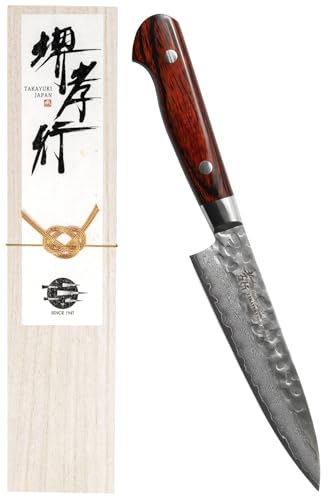 OkayamaBizen Osafune Hand-Forged KnifeOkayama's Bizen Osafune was Japan's greatest sword-forging center for centuries. Today its smiths still…View guide →
Wood & Bamboo
83 crafts
📚 Complete buying guide: Japanese Woodcraft & Bamboo →
Joinery, carving and bentwood — paulownia, hinoki, zelkova and bamboo.
Bento & Containers10
 AkitaKabazaiku Cherry Bark Tea Caddy (Chazutsu)From the samurai town of Kakunodate in Akita, kabazaiku wraps polished wild cherry bark around a tea…View guide →
 IshikawaYamanaka Rokuro Woodturned Tea CaddyFrom Ishikawa's Yamanaka Onsen, home to Japan's finest woodturning, a bare zelkova tea caddy with…View guide →
 KagoshimaYakusugi Cedar Tea CaddyTurned from Yakusugi, the ancient cedar of Yakushima's UNESCO forest, this tea caddy carries…View guide →
 AichiOwari Kiri Paulownia Rice ContainerOwari kiri-zaiku is Nagoya's castle-town paulownia joinery. Its rice container uses paulownia's natural…View guide →
 NaganoKiso Menpa Bentwood Bento BoxKiso Menpa is a bentwood lunch box of hot-bent Kiso cypress sewn with cherry bark. The breathing wood…View guide →
 NaganoKiso Hinoki Ohitsu Wooden Rice ContainerA wooden rice tub turned from Kiso cypress, the protected timber of Japan's central highlands. Its bare…View guide →
 NiigataKamo Kiri Paulownia Rice ContainerA humidity-regulating paulownia rice keeper from Kamo, Japan's paulownia-chest capital. Lightweight…View guide →
 SaitamaKasukabe Kiri Paulownia Rice ContainerSaitama's Kasukabe paulownia (kiri) joinery turns moisture-regulating, insect-resistant wood into a…View guide →
 NiigataKamo Kiri Paulownia Rice Container (Kometsu)From Kamo in Niigata, where artisans make roughly 70% of Japan's paulownia chests, comes a kiri-wood…View guide →
 OsakaOsaka Senshu Kiri Paulownia Rice BinA paulownia rice container from Osaka's Senshu paulownia-joinery tradition. Kiri wood naturally…View guide →
Boxes & Chests23
 SaitamaKasukabe Kiri Paulownia Accessory ChestA small drawered paulownia chest from Kasukabe, Saitama's old paulownia-joinery town. Featherlight…View guide →
 FukuiEchizen Tansu Iron-Fitted Keyaki ChestEchizen Tansu pairs solid keyaki (zelkova) joinery with thick hand-forged iron hardware, a Fukui chest…View guide →
 KyotoKyo Sashimono Paulownia Wood BoxKyo Sashimono is Kyoto's nail-free joinery, refined over centuries by the imperial court and the tea…View guide →
 YamagataTendo Shogi Koma Wooden Shogi PiecesTendo in Yamagata carves roughly 95% of Japan's shogi pieces, a craft born when impoverished samurai…View guide →
 ShimaneUnshu Soroban Wooden AbacusUnshu Soroban is the wooden abacus of Okuizumo, Shimane, born in Japan's tatara iron-sand country. Hard…View guide →
 FukuiEchizen Tansu Iron-Fitted Wood ChestEchizen Tansu joins Fukui zelkova and paulownia joinery with hand-forged iron fittings from the same…View guide →
 MiyagiSendai Tansu Keyaki Jewelry ChestA small Sendai Tansu chest in zelkova wood, finished with kijiro-nuri grain-revealing lacquer and…View guide →
 YamagataTendo Shogi Koma Boxwood PiecesTendo produces most of Japan's shogi pieces. These boxwood koma, their kanji inked or carved in lacquer…View guide →
 ChibaYokaichiba Kiri Paulownia Rice Bin (Komebitsu)Yokaichiba on the Boso plain has worked paulownia (kiri) since the Edo period. Its nail-free sashimono…View guide →
 TokyoEdo Sashimono Shima-Guwa Jewelry BoxEdo Sashimono is Tokyo's nail-free joinery craft, fitting island-mulberry boards with hidden…View guide →
 TokushimaAwa Yusan-bako Tiered Wooden Picnic BoxA hand-painted three-tier lacquered box that Tokushima children once carried on spring hillside outings…View guide →
 SagaSaga Morodomi Sashimono Wooden StoolA solid-wood low stool peg-jointed in the sashimono tradition of Saga's Morodomi district, heir to the…View guide →
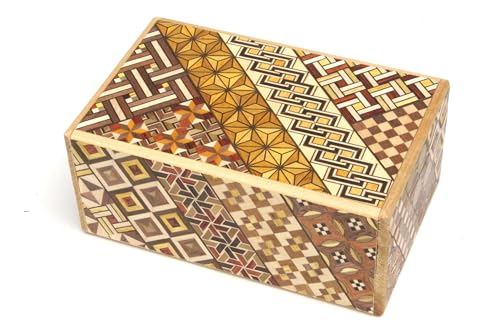 KanagawaHakone Yosegi-zaiku Secret Puzzle BoxHakone Yosegi-zaiku is Japanese marquetry built from naturally colored woods, never dyes. The secret…View guide →
 IwateIwayado Tansu Iwate Iron-Hardware Wooden ChestIwayado Tansu pairs honey-toned zelkova and lacquer with hand-forged iron hardware, a chest-making craft…View guide →
 IwateIwayado Tansu Keyaki Wood ChestIwayado Tansu joins keyaki zelkova wood, kijiro lacquer, and hand-forged Nanbu iron hardware in a chest…View guide →
 KagoshimaSatsuma Tsuge Boxwood CombA hand-cut comb of dense Satsuma boxwood, seasoned for years in camellia oil. Antistatic, gentle on…View guide →
 ShizuokaSuruga Sashimono Paulownia BoxSuruga Sashimono is nail-free joinery woodwork born in Sumpu, where Tokugawa Ieyasu gathered master…View guide →
 SaitamaKasukabe Kiri Paulownia Wood Accessory BoxKasukabe's nationally designated paulownia (kiri) woodwork turns Saitama's lightest wood into a…View guide →
 YamagataTendo Shogi Koma Carved Wooden PiecesTendo in Yamagata carves roughly 95% of Japan's shogi pieces, a craft born from samurai side-work in the…View guide →
 KumamotoKuma Hanatebako Camellia Wooden BoxA hand-painted box from Hitoyoshi in Kumamoto's Kuma valley, the Hanatebako carries bold camellia motifs…View guide →
 YamagataTendo Shogi Koma Carved Shogi PiecesTendo in Yamagata makes most of Japan's shogi pieces, a craft born among Oda-clan samurai. A guide to…View guide →
 OsakaOsaka Karaki Sashimono Rosewood Tea TrayOsaka Karaki Sashimono joins imported rosewood and ebony into a nail-free serving tray, born from the…View guide →
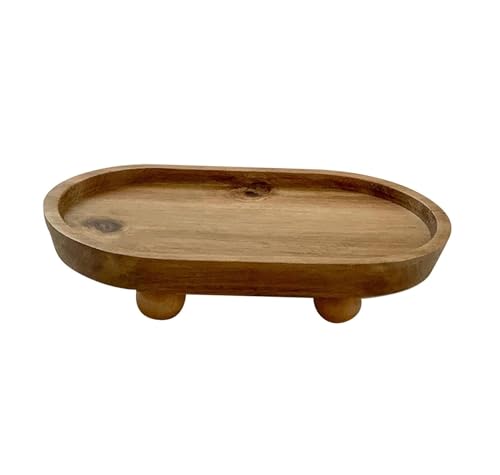 ShizuokaSuruga Sashimono Wooden TraySuruga Sashimono is Shizuoka's nail-less joinery craft, born from master carpenters who gathered to…View guide →
Carvings, Dolls & Figurines16
 GifuHida Ichii Ittobori Yew Wood NetsukeA single-knife miniature carved from Hida yew, left unstained so the wood's two-tone grain deepens to…View guide →
 HokkaidoHokkaido Kibori Bear Wood CarvingHokkaido's iconic kibori-no-kuma is a hand-carved wooden bear that began as winter farm work in Yakumo…View guide →
 GunmaUsaburo Kokeshi Sosaku Wooden DollUsaburo Kokeshi has lathe-turned sosaku wooden dolls in Gunma's Haruna foothills since 1950. Where to…View guide →
 YamaguchiOuchi Ningyo Lacquered Wooden DollsTurned-wood folk dolls finished in vermilion Ouchi-nuri lacquer, Ouchi ningyo were born when the Ouchi…View guide →
 TochigiNikko-bori Carved Wooden TrayNikko-bori is a Tochigi woodcraft born around the 1636 Toshogu Shrine rebuild, when carvers stayed on…View guide →
 ToyamaInami Choukoku Carved Owl OrnamentA hand-carved camphor-wood owl from Inami, Japan's largest woodcarving town, where temple craftsmen…View guide →
 ToyamaInami Wood Carving Owl OrnamentInami Choukoku is Japan's premier temple-carving tradition, and this hand-carved keyaki owl turns those…View guide →
 ToyamaInami Chokoku Carved Wood Wall PanelInami woodcarving turns a single block of zelkova into a deep, openwork relief panel. Rooted in the…View guide →
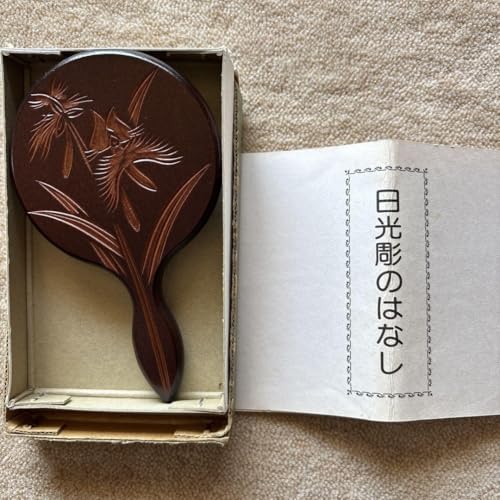 TochigiNikko-bori Hand-Carved Wooden Hand MirrorNikko-bori carving descends from the artisans who rebuilt Nikko Toshogu. This wooden hand mirror shows…View guide →
 JapanKyugetsu Naruko Kokeshi Doll KotohogiNaruko kokeshi (鳴子こけし) is the **wooden folk doll tradition of Naruko-onsen**, in Ōsaki City…View guide →
 NaraNara Ittobori Carved Wood Deer FigurineNara Ittobori turns a few decisive chisel strokes into a faceted, polychrome wooden deer — the sacred…View guide →
 ToyamaInami Woodcarving Owl OrnamentInami in Toyama is Japan's temple-carving capital, where Zuisen-ji sculptors carve keyaki and camphor…View guide →
 NaraNara Ittobori Carved Wooden Deer OkimonoNara Ittobori is a single-knife wood carving born from Kasuga Shrine festival figures. This carved deer…View guide →
 GifuHida Ichii Ittobori Yew Wood OkimonoHand-carved from Japanese yew (ichii) in Takayama, this Hida Ittobori okimono needs no paint — the…View guide →
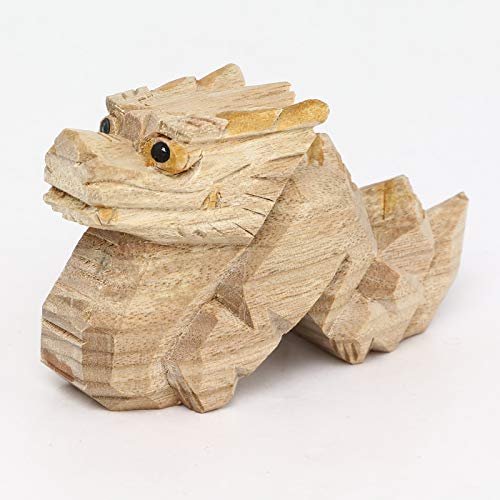 KagawaSanuki Ittobori Zodiac Wood CarvingHand-carved in Takamatsu, Sanuki Ittobori shapes wood with bold single-knife facets and bright mineral…View guide →
 ToyamaInami Woodcarving Chopstick Rest SetHand-carved by the temple sculptors of Inami, Toyama, these relief chopstick rests turn a single block…View guide →
Bamboo Baskets12
 OitaBeppu Takezaiku Bamboo Fruit BasketBeppu Takezaiku baskets are woven from Oita madake bamboo by hand, a craft grown from hot-spring…View guide →
 JapanSuruga Take Sensuji Fuurin Bamboo Wind ChimeSuruga take-sensuji-zaiku (駿河竹千筋細工) is the **fine bamboo basketry tradition of Shizuoka City** —…View guide →
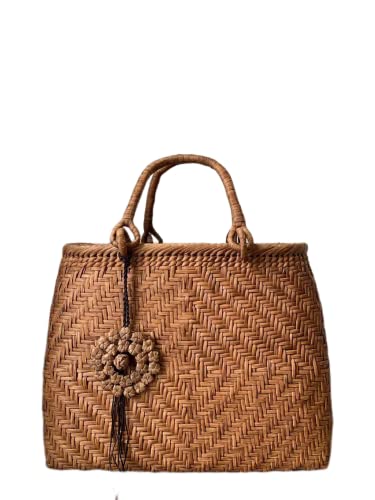 FukushimaOkuaizu Yamabudo Basket BagWoven from wild grapevine bark in the snowbound mountain villages of Okuaizu, this Mishima yamabudo…View guide →
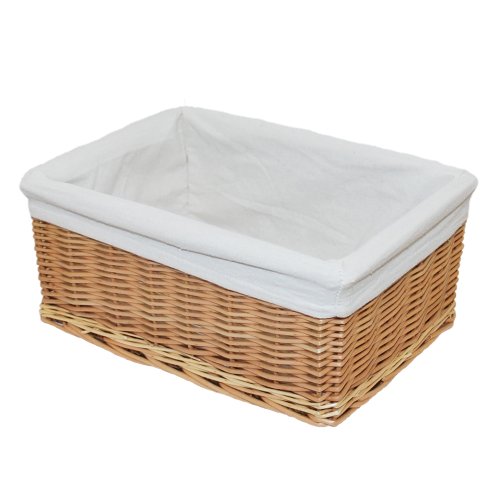 HyogoToyooka Willow Basket Tajima Kiryu-zaikuHyogo's Tajima region wove willow along the Maruyama River for over a thousand years. This hand-plaited…View guide →
 HyogoToyooka Kiryu Willow Storage BasketToyooka Kiryu Zaiku is Hyogo's 1,000-year willow craft, born on the Maruyama River floodplain and once…View guide →
 OkayamaKatsuyama Takezaiku Bamboo ZaruHand-woven from highland madake bamboo in Maniwa, Okayama, the Katsuyama Takezaiku zaru is a sturdy…View guide →
 OitaBeppu Take-zaiku Bamboo BasketFrom Japan's largest bamboo-craft region in Oita, a hand-woven madake kago shaped by centuries of Beppu…View guide →
 OitaBeppu Bamboo Basket (Beppu Takezaiku)Beppu Takezaiku is Japan's only nationally designated bamboo craft, born from the rice and market…View guide →
 OitaBeppu Bamboo Basket (Takezaiku)Beppu Takezaiku is Japan's only nationally designated bamboo craft, hand-woven from madake bamboo in…View guide →
 HyogoToyooka Kiryu-zaiku Willow BasketA hand-woven willow basket from Toyooka in northern Hyogo, where 1,200 years of Tajima wickerwork seeded…View guide →
 OitaBeppu Bamboo Woven BasketBeppu take-zaiku is the only bamboo craft designated a national traditional craft of Japan. Hand-woven…View guide →
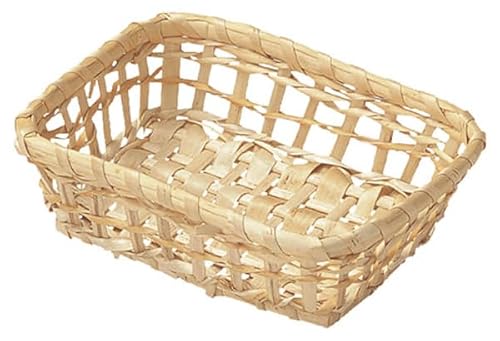 HyogoToyooka Kiryu Willow BasketToyooka's Kiryu-zaiku willow baskets are woven from Maruyama River basket willow—a Tajima craft traced…View guide →
Musical Instruments1

Cups, Chopsticks & Masu3
 MiyazakiObi Cedar (Obi-Sugi) Wooden TumblerObi-sugi cedar once grew tall and oil-rich for the Ito clan's Edo-era ships. Today the same fragrant…View guide →
 KagoshimaYakusugi Cedar ChopsticksHand-finished chopsticks turned from Yakusugi, the ancient cedar of Yakushima island. Tight, resin-rich…View guide →
 GifuOgaki Hinoki Masu Sake CupA hinoki masu from Ogaki, Gifu — the castle-town that crafts roughly 80% of Japan's wooden sake…View guide →
Tableware, Trays & Tools15
 WakayamaKishu Hinoki Bath Bucket (Yu-oke)Kishu hinoki from Wakayama's Kii forests is prized for aroma and decay resistance. Here's where to buy…View guide →
 HiroshimaMiyajima Shamoji Wooden Rice ScoopA hand-carved rice scoop from Miyajima, the sacred island off Hiroshima where a monk shaped the first…View guide →
 AomoriAomori Hiba Cutting BoardThe Aomori hiba cutting board pairs a naturally antibacterial Japanese cypress with everyday durability…View guide →
 HokkaidoNibutani-ita Ainu Carved Wood TrayA hand-carved hardwood tray from Nibutani in Hokkaido, incised with the flowing moreu, aiushi and ramu…View guide →
 IbarakiOku-Kuji Tochi Woodturned PlateA lathe-turned plate of horse-chestnut (tochi) from the Oku-Kuji hills of Ibaraki, finished in oil to…View guide →
 KanagawaOdawara Hikimono Turned Wooden BowlOdawara hikimono is one of Japan's oldest woodturning traditions, born in the Hojo castle town beside…View guide →
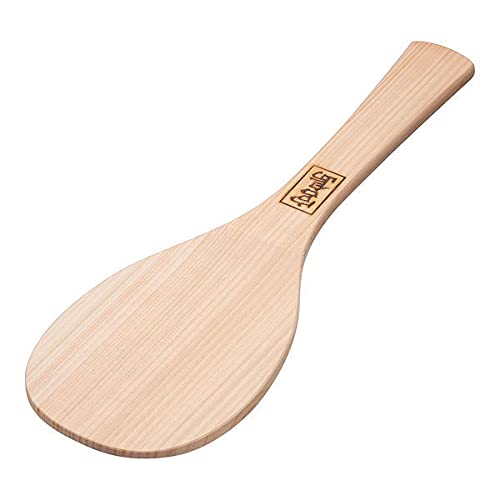 HiroshimaMiyajima Shamoji Rice PaddleMiyajima-zaiku shamoji are the wooden rice paddles born at the gate of Itsukushima Shrine, carved from…View guide →
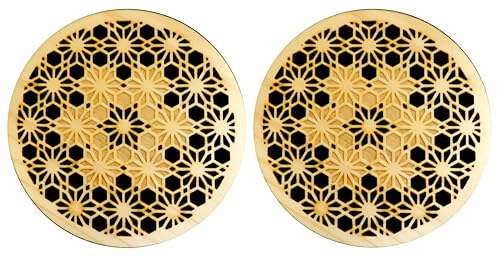 TokyoEdo Kumiko Coaster SetEdo Kumiko coasters lock dozens of tiny cypress slats into a geometric asanoha hemp-leaf lattice with no…View guide →
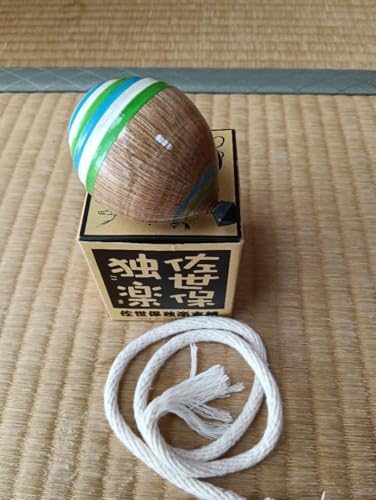 NagasakiSasebo Koma Spinning TopSasebo Koma is Nagasaki's iron-shod battling top, lathe-turned from dense ubame oak and banded in red…View guide →
 JapanDaiichi Banshu Soroban Abacus PastelBanshū soroban (播州そろばん) is the **abacus tradition of Ono City**, in southwestern Hyōgo Prefecture —…View guide →
 NaganoKiso Hinoki Cutting BoardA single-piece Kiso hinoki cutting board brings Owari-domain cypress into the kitchen — light…View guide →
 KochiTosa Hinoki Cutting BoardA Tosaryu Tosa hinoki cutting board brings the clean aroma and knife-friendly softness of Shimanto-river…View guide →
 ShigaOmi Kijishi Woodturned Tochi BowlA bare tochi-wood bowl from Higashi-Omi, cradle of Japan's kijishi woodturners since Prince Koretaka's…View guide →
 YamagataTendo Shogi Koma Wooden Shogi Pieces SetTendo in Yamagata carves about 95% of Japan's shogi pieces. A guide to authentic Tendo Shogi Koma sets —…View guide →
 FukuokaHakata Koma Spinning TopHand-turned wooden tops from Edo-era Hakata, banded in bright lacquer and balanced on an iron tip — a…View guide →
More Woodwork2
 ShizuokaSuruga Takesensuji Bamboo Flower VaseSuruga Takesensuji Zaiku is Shizuoka's round-rod bamboo craft from Ieyasu's Sunpu capital — hand-bored…View guide →
 JapanHakone Yosegi Marquetry Octagonal Pen StandHakone yosegi-zaiku (箱根寄木細工) is the **wood-marquetry tradition of Hakone**, in western Kanagawa…View guide →
Metalwork
71 crafts
📚 Complete buying guide: Japanese Metalwork →
Cast iron, tin, brass and copper — from tetsubin kettles to wind bells.
Tetsubin & Cast Iron17
 MieKuwana Cast Iron SkilletCast in Kuwana, the old Tokaido castle town at the mouth of the Kiso rivers in Mie, this hand-finished…View guide →
 IwateNambu Tekki Cast Iron TeapotWhere to buy a Nambu Tekki cast iron teapot from Iwate — an enamel-lined kyusu built to brew and pour…View guide →
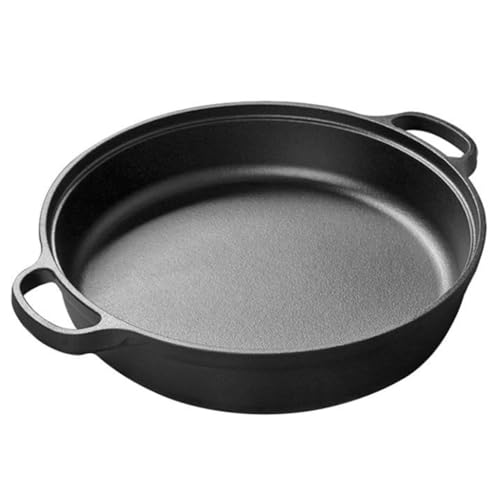 SaitamaKawaguchi Imono Cast Iron Sukiyaki NabeForged in Kawaguchi, Saitama's Edo-era iron-casting town on the Arakawa, this cast iron sukiyaki nabe…View guide →
 YamaguchiHagi Cast Iron Furin Wind ChimeA cast iron furin wind chime from Hagi, Yamaguchi—heir to the castle town's tatara and…View guide →
 TochigiTenmyo Imono Cast Iron TrivetA hand-cast iron trivet from Sano's thousand-year-old Tenmyo foundries in Tochigi — heir to the…View guide →
 YamagataYamagata Imono Cast Iron Sukiyaki PanYamagata Imono is one of Japan's oldest casting traditions, born on the Mamigasaki River in 1057. This…View guide →
 IwateIwachu Nambu Tekki Cast Iron SkilletIwachu's Nambu Tekki cast iron skillet is sand-cast in Morioka, Iwate, heir to a 400-year domain…View guide →
 YamagataYamagata Imono Cast Iron Sukiyaki NabeBorn from the Mamigasaki River's molding sand nearly 900 years ago, Yamagata Imono's thin-cast iron…View guide →
 HiroshimaTulip Hiroshima Sashiko NeedlesTulip's Hiroshima-made sashiko needles draw on Edo-era needle craft from Japan's needle capital…View guide →
 SagaSaga Hizen Cast Iron Incense Burner KoroA hand-cast iron koro from Hizen Saga, heir to the Nabeshima domain foundries that cast Japan's first…View guide →
 TochigiSano Tenmyo Cast Iron Chagama Tea Ceremony KettleSano's Tenmyo iron-casting tradition reaches back to the Heian era. Its rough-skinned chagama kettle is…View guide →
 HokkaidoHokkaido Cast Iron Jingisukan Grill PanThe domed cast-iron jingisukan pan is Hokkaido's signature tabletop grill, shaped so lamb juices run…View guide →
 SaitamaKawaguchi Imono Cast Iron SkilletKawaguchi Imono is the cast iron craft of Saitama's old Nakasendo post town, where Arakawa river sand…View guide →
 YamagataYamagata Imono Cast Iron TrivetYamagata Imono is one of Japan's two great cast-iron traditions, born of Heian-era war and prized for…View guide →
 IwateNambu Tekki Cast Iron Wind Chime (Furin)Iwate's Nambu ironware isn't only kettles. A cast iron furin rings with a clear, lingering summer tone…View guide →
 FukuiSabae Titanium Reading GlassesSabae in Fukui forges over 90% of Japan's eyeglass frames and pioneered titanium eyewear in 1981. Here…View guide →
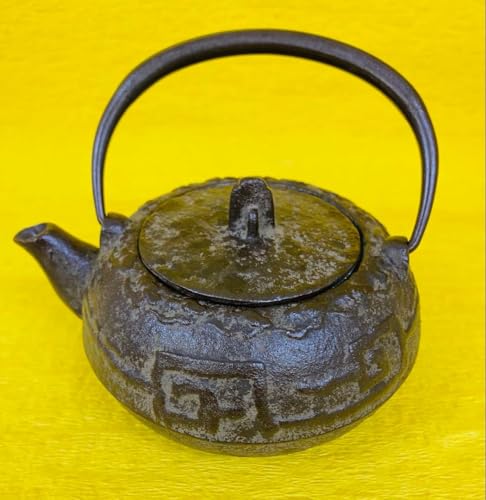 YamagataYamagata Imono Cast Iron TeapotYamagata Imono casters have refined thin-wall iron since the 11th century. This enamel-lined cast iron…View guide →
Wind Bells3
 KanagawaOdawara Sahari Bronze Wind Chime (Furin)A hand-cast sahari bronze wind chime from Odawara, the Hojo clan's castle town whose foundries have…View guide →
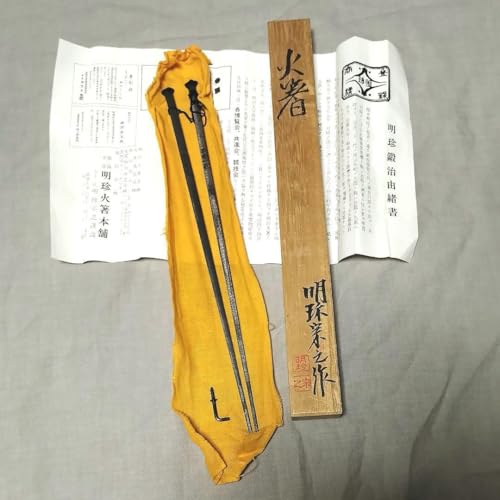 HyogoMyochin Hibashi Furin Iron Wind ChimeForged by a samurai-armorer lineage in Himeji, the Myochin hibashi furin turns iron fire chopsticks into…View guide →
 ToyamaTakaoka Doki Brass Wind Bell (Fuurin)A hand-finished brass wind bell from Takaoka, Toyama — the foundry town that casts roughly 90% of…View guide →
Bells & Charms11
 TokushimaAwa Tokushima Cast Bronze Orin BellA hand-cast bronze orin from Tokushima, where Awa butsudan craftsmen and Awa Odori bell-casters refined…View guide →
 MiyazakiTakachiho Kagura-Suzu Cast Brass BellA cluster of cast brass bells on a ringed handle, the kagura-suzu carries the sound of sacred dance from…View guide →
 ToyamaTakaoka Doki Bronze Orin Meditation BellA cast-bronze orin (rin) bell from Takaoka, the 400-year foundry town that cast Toyama's Great Buddha…View guide →
 OsakaOsaka Naniwa Suzuki Tin Tokkuri Sake FlaskPure tin softens sake and holds the chill—Osaka's Naniwa Suzuki tokkuri brings the hand-cast metalwork…View guide →
 KagoshimaSatsuma Suzuki Iwakiri Bikodo Tin TumblerHand-finished pure-tin tumblers from Kagoshima's Satsuma Suzuki tradition. Tin's high conductivity…View guide →
 OsakaOsaka Naniwa Suzuki Tin TumblerPure-tin tumblers from Osaka's Naniwa Suzuki tradition mellow sake and keep beer crisp—a nationally…View guide →
 NaganoIiyama Butsudan Brass Orin BellA hand-finished brass orin bell from Iiyama, Nagano's snow-country temple town, home to the Iiyama…View guide →
 OitaUsa Hachiman Cast Brass Orin BellA cast brass orin bell from Oita, rooted in Usa Jingu—head of Japan's 40,000 Hachiman shrines and…View guide →
 OsakaOsaka Naniwa Suzuki Tin Tea CaddyA hand-finished pure-tin chazutsu from Osaka's Naniwa Suzuki tradition. Soft, malleable tin forms a…View guide →
 ToyamaTakaoka Orin Rin Gong Meditation BellTakaoka is where roughly 90% of Japan's cast bronzeware is made, and its orin (rin gong) bells carry…View guide →
 ToyamaTakaoka Doki Bronze Orin Singing BowlA bronze orin (rin) singing bowl cast in Takaoka, Japan's bronzeware capital since 1609. Sahari alloy…View guide →
Incense & Buddhist Ware9
 ToyamaTakaoka Doki Bronze Incense Burner KoroTakaoka Doki is Japan's foremost bronze-casting tradition, born in 1611 Toyama. This hand-cast koro…View guide →
 NaraNara Butsugu Brass Incense Burner (Koro)A hand-cast brass koro incense burner from Nara, heir to the bronze-casting craft that raised Todai-ji's…View guide →
 FukushimaAizu Brass Candle Stand ShokudaiA hand-finished brass shokudai from Aizu-Wakamatsu, the castle town of Aizu painted candles. Where to…View guide →
 NagasakiNagasaki Cast Bronze Candlestick (Shokudai)A cast bronze shokudai candlestick in the Chinese-influenced style that Nagasaki's Obaku Zen temples…View guide →
 KagawaSanuki Cast Bronze Waniguchi Temple GongA hand-cast bronze waniguchi gong from Takamatsu, Kagawa, rooted in the metal-fittings trade that served…View guide →
 AomoriTsugaru Cast Brass Koro Incense BurnerA cast brass koro incense burner rooted in Hirosaki's Zenrin-gai temple district, where the Tsugaru…View guide →
 WakayamaKoyasan Bronze Incense Burner (Koro)A cast bronze koro incense burner rooted in the temple metalwork of Mount Koya, Wakayama — the holy…View guide →
 ChibaChiba Sawara Cast Brass Altar CandlestickA cast brass tsuru-kame altar candlestick from Chiba's Shimōsa temple-and-shrine country, where Sawara…View guide →
 ShigaHikone Brass Incense BurnerHikone's altar metalworkers have shaped brass kazari fittings since the Ii clan era. This solid-brass…View guide →
Cloisonné & Enamel2
 AichiOwari Shippo Cloisonné Chopstick Rest SetOwari Shippo cloisonné from Aichi sets silver-wired enamel into jewel-bright chopstick rests—heir to…View guide →
 AichiOwari Shippo Cloisonne PendantOwari Shippo is Aichi's silver-wired cloisonne enamel craft, born near Nagoya in the 1830s. This pendant…View guide →
Jewelry & Accessories6
 YamanashiKoshu Crystal Hand-Polished SphereA hand-polished clear-quartz sphere from Kofu, Yamanashi — heart of Japan's only historic crystal-mining…View guide →
 AkitaAkita Ginsen-zaiku Silver Filigree BroochOpenwork lace twisted from hair-thin pure silver wire, rooted in the Satake clan's Edo-era silver mines…View guide →
 KumamotoHigo Zogan Damascene Pendant NecklaceHigo Zogan inlays pure gold and silver into rust-blackened iron, a samurai-era damascening craft from…View guide →
 IshikawaKaga Zogan Inlaid PendantKaga Zogan is Kanazawa's damascene inlay craft, born from Maeda-clan armor and stirrup fittings. This…View guide →
 KumamotoHigo Zogan Gold Inlay PendantHigo Zogan is Kumamoto's Edo-period craft of inlaying gold and silver into blackened iron, a discipline…View guide →
 OkinawaRyukyu Silver Jiifaa HairpinA hand-forged Ryukyu silver jiifaa hairpin rooted in Okinawa's kanzeku royal metalwork, once worn by…View guide →
Vases & Flower3
 ToyamaTakaoka Doki Bronze Flower VaseTakaoka Dōki is Japan's foremost bronze-casting craft, born in Toyama in 1611. This cast-bronze kabin…View guide →
 ToyamaTakaoka Doki Cast Bronze Flower VaseTakaoka casts most of Japan's bronze. This flower vase, finished with the city's signature chakushoku…View guide →
 ToyamaTakaoka Doki Cast Bronze Flower VaseA sand-cast bronze hanaire from Takaoka, the town that casts nine-tenths of Japan's copperware…View guide →
Gold Leaf2
 IshikawaKanazawa Haku Gold-Leaf Sakazuki Sake CupKanazawa produces nearly all of Japan's gold leaf. This gilded lacquer sakazuki pairs a turned-wood core…View guide →
 IshikawaHakuichi Kanazawa Kinpaku Gold LeafHakuichi's Kanazawa kinpaku — gold leaf from the city that hammers over 99% of Japan's foil — carries…View guide →
Tumblers & Cups7
 TokyoTokyo Ginki Hand-Engraved Silver TumblerTokyo Ginki is the Edo silversmith tradition once serving the shogunate. This hand-engraved…View guide →
 NiigataTsubame Tsuiki Copper Beer TumblerA single sheet of pure copper, raised entirely by hand-hammering with no seams or joints. Niigata's…View guide →
 TokyoTokyo Ginki Hammered Silver Sake CupTokyo Ginki is Edo's designated silverware craft, born from the shogunate's silversmiths who once worked…View guide →
 ToyamaTakaoka Doki Tin Sake CupA hand-cast 100% tin sake cup from Takaoka, Toyama — the casting town that supplies most of Japan's…View guide →
 EhimeEhime Besshi Pure Copper TumblerDrawn from the copper legacy of Niihama's Besshi mine, this pure-copper tumbler chills beer fast and…View guide →
 OsakaOsaka Naniwa Pewter Tin Sake CupOsaka Naniwa Suzuki tin sake cups, hand-spun in the old merchant capital, are prized for softening sake…View guide →
 NiigataTsubame Tsuiki Hammered Copper MugA single sheet of copper, raised entirely by hammer in Niigata's Tsubame-Sanjo metal town. We cover what…View guide →
Tableware & Desk7
 OkayamaBizen Osafune Katana Letter OpenerForged in Osafune, Okayama—Japan's greatest sword town since the Kamakura era—this miniature katana…View guide →
 ShizuokaSunpu Cast Brass Paperweight (Bunchin)A cast brass bunchin paperweight from Shizuoka, the Sunpu castle town where Tokugawa Ieyasu commissioned…View guide →
 ShimaneOkuizumo Tatara Iron Bunchin PaperweightFrom Okuizumo, the cradle of Japan's tatara ironmaking, a hand-forged black-iron bunchin paperweight…View guide →
 ToyamaNousaku Tin KAGO Bendable BasketA 100% pure-tin basket from Takaoka you bend by hand into any shape—Nousaku turned famously soft tin…View guide →
 IbarakiMito-bori Hand-Engraved Brass Letter OpenerHeir to Mito's Edo-era sword-fitting engravers, this hand-chiseled brass letter opener bears…View guide →
 ToyamaNousaku Takaoka Tin KAGO Bendable BasketA 100% tin basket from Takaoka, Japan's foremost metal-casting town, that bends by hand into a bowl…View guide →
 NiigataTsubame-Sanjo Stainless Coffee Spoon SetMirror-polished 18-8 stainless coffee and dessert spoons from Tsubame-Sanjo, Niigata's metalworking…View guide →
More Metalwork3
 ToyamaNousaku KAGO Bendable Tin BasketNousaku's KAGO is cast from 100% tin so soft you bend it by hand into a bowl or basket. A living piece…View guide →
 KochiTosa Uchihamono Hori-Hori Garden KnifeA hand-forged hori-hori garden knife from Kochi's Tosa Uchihamono forging tradition—high-carbon steel…View guide →
 KyotoKyo Kanaami Copper Tea StrainerA hand-woven copper tea strainer from Kyoto's Kanaami wire-netting craft, its hexagonal kikko mesh…View guide →
Washi, Fans & Glass
64 crafts
📚 Complete buying guide: Washi, Fans & Glass →
Handmade paper, cut glass, calligraphy tools, fans and folk toys.
Glass15
 NagasakiNagasaki Poppen Glass (Bidoro)Nagasaki bidoro began at Dejima, the port where glassmaking first entered Japan. The poppen, a…View guide →
 OkinawaRyukyu Glass Kara-Kara Sake ServerBorn from postwar Okinawa recycling discarded bottles, the Ryukyu glass kara-kara is a hand-blown…View guide →
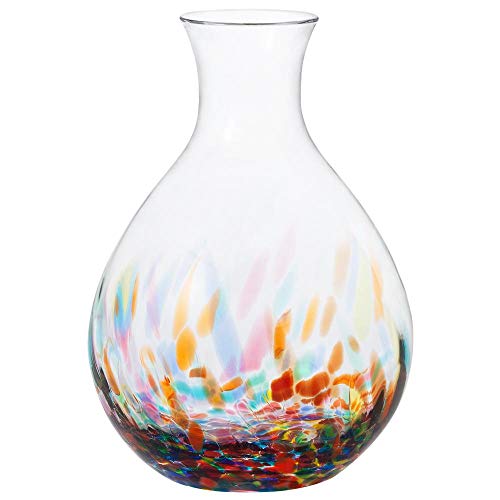 AomoriTsugaru Bidoro Glass TumblerTsugaru Bidoro turns a fishing-float glass technique into color-layered tumblers from Aomori. Here is…View guide →
 HokkaidoOtaru Glass Hand-Blown TumblerOtaru's hand-blown glass grew from herring-port lamp and float making into delicate drinkware. This…View guide →
 KagoshimaSatsuma Kiriko Whisky Rocks GlassSatsuma Kiriko whisky rocks glass: a thick iro-kise colored overlay cut by hand so each facet fades…View guide →
 FukuiWakasa Agate Hand-Polished Stone OrnamentWakasa agate (Wakasa meno-zaiku) from Obama, Fukui is a centuries-old gem-polishing craft. A heat-fired…View guide →
 OsakaTenma Kiriko Cut Glass TumblerTenma Kiriko is Osaka's revived cut-glass craft, defined by curved kamaboko grooves that bend light…View guide →
 TokyoEdo Kiriko Cut Glass Whisky GlassEdo Kiriko is Tokyo's hand-cut glass craft, born in 1834 Edo. This faceted whisky glass throws prismatic…View guide →
 ToyamaToyama Glass Hand-Blown TumblerA hand-blown tumbler from Toyama, Japan's self-declared 'City of Glass,' where contemporary studio…View guide →
 TokyoEdo Furin Hand-Blown Glass Wind BellEdo Furin are mold-free, mouth-blown glass wind bells painted from the inside, with a deliberately…View guide →
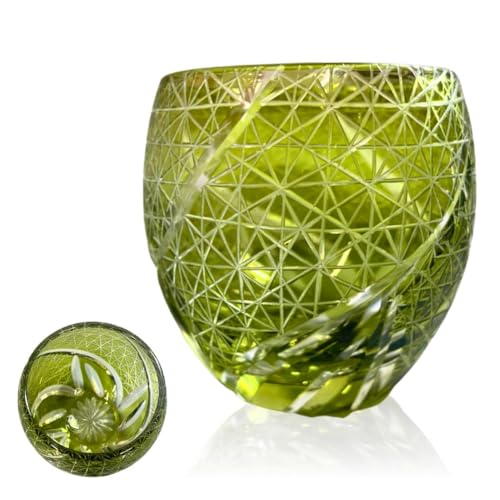 TokyoEdo Kiriko Cut Glass Sake CupEdo Kiriko is Tokyo's colored cut-glass craft, born in 1834 Edo and refined with British technique in…View guide →
 TokyoEdo Kiriko Cut Glass Whisky TumblerEdo Kiriko is Tokyo's hand-cut crystal craft, born in 1834 Edo and refined into the geometric…View guide →
 TokyoEdo Furin Hand-Blown Glass Wind ChimeEach Edo Furin is blown without a mold and painted from the inside, its deliberately rough rim giving…View guide →
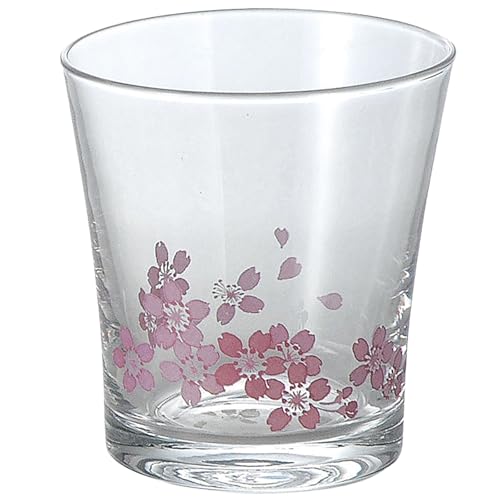 HokkaidoOtaru Glass TumblerOtaru glass grew out of Hokkaido's herring-era oil lamps and glass fishing floats into hand-blown soda…View guide →
 SagaHizen Vidro Mouth-Blown Glass Bud VaseHizen Vidro is Saga's mouth-blown glass, born from the Nabeshima domain's 19th-century Seirenkata…View guide →
Calligraphy Tools8
 HiroshimaKumano Fude Calligraphy BrushKumano crafts about 80% of Japan's brushes. This hand-bound shodo brush pairs supple animal hair with a…View guide →
 NaraAkashiya Nara Fude Calligraphy BrushA traditional Nara calligraphy brush from Akashiya, a brushmaker rooted in Japan's first capital—with…View guide →
 YamanashiAmehata Suzuri InkstoneQuarried in Yamanashi's Hayakawa valley since the 1300s, Amehata suzuri is a dense, fine-grained slate…View guide →
 MiyagiOgatsu Suzuri InkstoneOgatsu Suzuri is the slate inkstone from coastal Miyagi that supplies most of Japan's domestic suzuri…View guide →
 YamaguchiAkama Suzuri InkstoneA fine-grained inkstone quarried near Shimonoseki and prized by calligraphers since the Kamakura era…View guide →
 AichiToyohashi Fude Calligraphy BrushToyohashi in Aichi is one of Japan's three great brush towns, prized for hand-blended animal-hair…View guide →
 KochiTosa Washi Calligraphy PaperTosa washi from Kochi ranks among Japan's three great papers; its tengujo tissue is trusted by museums…View guide →
 EhimeOzu Washi Calligraphy PaperOzu Washi is Ehime's handmade kozo paper, drawn from the clear Hiji River since the Edo period. This…View guide →
Fans4
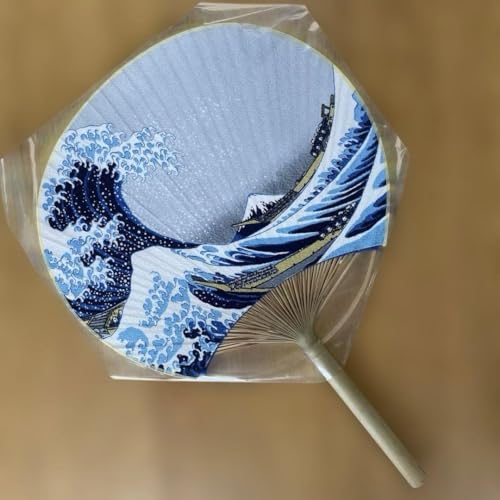 ChibaBoshu Uchiwa Hand-Split Bamboo FanBoshu Uchiwa from Chiba's Tateyama coast is one of Japan's three great uchiwa, hand-split from a single…View guide →
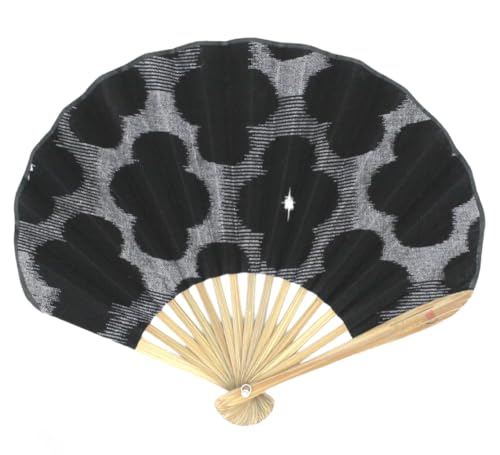 ShigaTakashima Sensu Folding FanA hand-finished Japanese folding fan built on Takashima senkotsu, the Shiga fan ribs that account for…View guide →
 NaraNara Uchiwa Hand-Carved Openwork FanNara Uchiwa is a transparent openwork fan whose ultra-fine carved deer and Shosoin motifs trace back to…View guide →
 KyotoKyo Sensu Folding FanThe folding fan was invented in Heian-era Kyoto, and Kyo Sensu still carries that courtly…View guide →
Lanterns3
 GifuGifu Chochin Mino Washi LanternGifu chochin lanterns stretch Mino washi over slender split-bamboo ribs—the craft behind Isamu Noguchi's…View guide →
 FukuokaYame Chochin Paper LanternFukuoka's Yame chochin pair hand-painted Mino washi with a single continuously spiraling bamboo frame…View guide →
 KanagawaOdawara Chochin Collapsible Paper LanternA hand-pasted washi-and-bamboo lantern that folds flat, the Odawara chochin once lit Edo travelers…View guide →
Folk Toys & Charms11
 MiyazakiHyuga Hamaguri Clam Shell Go StonesFrom the clam-rich coast of Hyuga in Miyazaki come Japan's finest white go stones, sliced from thick…View guide →
 AkitaAkita Yatsuhashi Ningyo Clay DollOne of Tohoku's oldest clay-doll traditions, Akita's Yatsuhashi ningyo blends Kyoto Fushimi style with…View guide →
 FukushimaAizu Akabeko Papier-Mâché Red CowA nodding red ox from Aizu, Fukushima — a 1,200-year-old papier-mâché charm against misfortune. Where to…View guide →
 KagawaTakamatsu Hariko Hoko-san Papier-Mache DollTakamatsu Hariko's Hoko-san is a hand-pasted papier-mache doll from Kagawa's old castle town, rooted in…View guide →
 SaitamaIwatsuki Edo Kimekomi DollIwatsuki in Saitama is Japan's largest doll-making town. Edo Kimekomi ningyo wrap paulownia-paste bodies…View guide →
 GunmaTakasaki Daruma Wishing DollTakasaki Daruma is Gunma's iconic papier-mâché wishing doll, born at Shorinzan Daruma-ji temple in the…View guide →
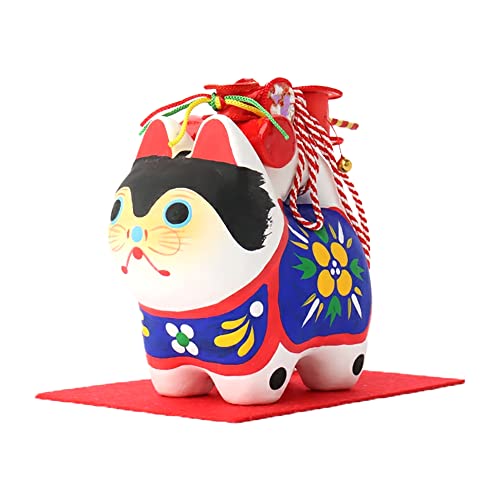 ShizuokaSuruga Hariko Papier-Mâché DogSuruga Hariko is Shizuoka's hand-layered washi papier-mâché craft from old Sunpu. This guide covers the…View guide →
 ToyamaGokayama Washi Kozo Paper Letter SetGokayama Washi is thick, strong kozo paper handmade in Toyama's World Heritage gassho villages. This…View guide →
 OitaTaketa Hime Daruma DollA hand-painted papier-mâché lucky doll from Taketa, Oita, modeled on a samurai's wife — the Goto family…View guide →
 ToyamaKeijusha Etchu Washi Katazome NotebookKeijusha's Etchu Yatsuo washi notebooks wrap Serizawa-style katazome stencil-dyed covers around handmade…View guide →
 ToyamaKeijusha Etchu Yatsuo Washi Card CaseA stencil-dyed (katazome) business card case made from Etchu Yatsuo washi, the Toyama paper once used to…View guide →
Washi & Paper17
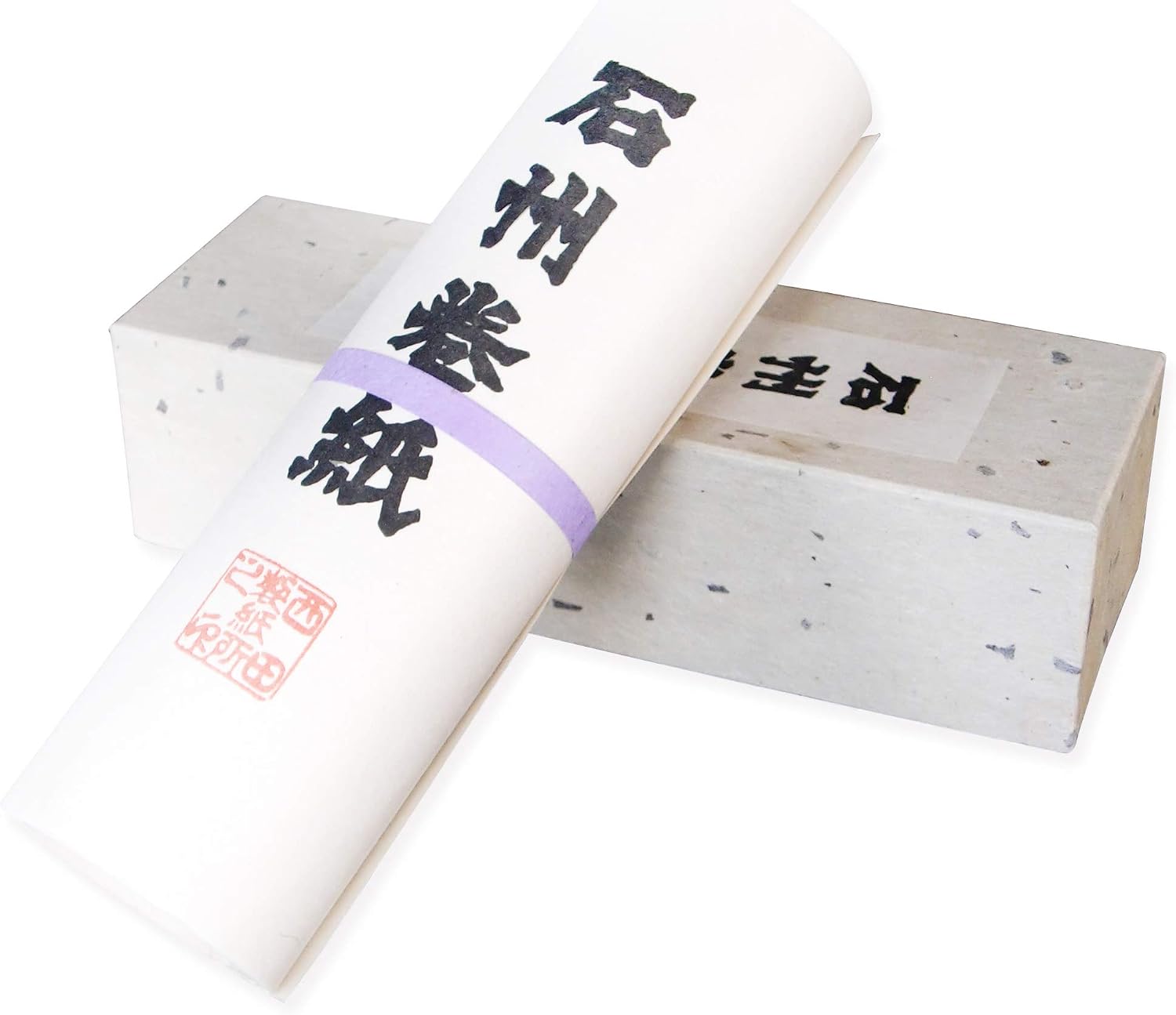 JapanKamimon Sekishu Washi Makigami Scroll PaperSekishū-washi (石州和紙) is the **handmade paper tradition of Iwami region**, in western Shimane Prefecture…View guide →
 GifuGifu Wagasa Japanese Paper UmbrellaGifu Wagasa is Japan's iconic washi-and-bamboo paper umbrella, hand-built in Gifu City from Mino washi…View guide →
 MieIse Katagami Stencil Art PanelIse Katagami is the thousand-year stencil-paper craft of Suzuka, Mie—washi hardened with persimmon…View guide →
 HyogoNajio Washi Gampi Art PaperNajio Washi is Hyogo's clay-infused gampi paper, prized for its lustrous, insect- and fade-resistant…View guide →
 SaitamaOgawa Hosokawa-shi Washi PaperHosokawa-shi from Ogawa, Saitama is one of three Japanese handmade washi traditions inscribed by UNESCO…View guide →
 ShimaneIzumo Mingei Washi Letter SetIzumo Mingei-shi washi was born of Japan's mingei folk-craft movement in Matsue, Shimane. A handmade…View guide →
 TochigiKarasuyama Washi LampshadeA handmade Karasuyama washi lampshade from Nasu-Karasuyama, Tochigi, where 1,100 years of kozo…View guide →
 TokushimaAwa Washi Awagami Fine Art PaperAwagami Factory's Awa Washi is handmade kozo and mitsumata paper from Tokushima's Yoshino River…View guide →
 OkayamaBitchu Washi Letter SetBitchu Washi is Okayama's mountain paper, hand-couched from kozo with Takahashi River water—this letter…View guide →
 MieIse-Katagami Dyeing StencilIse-katagami are the persimmon-tanned washi stencils that gave Japan its komon and yuzen patterns…View guide →
 NiigataOguni Washi Snow-Bleached Kozo PaperOguni Washi is Niigata's snow-country handmade paper, its kozo fibers laid on the snow to bleach soft…View guide →
 NaganoIida Mizuhiki Paper CordsIida in southern Nagano makes roughly 70% of Japan's mizuhiki — the stiffened washi cords tied into…View guide →
 YamagataMiyama Washi Postcard SetYamagata's Miyama Washi is a thick, durable handmade paper born under the Yonezawa Uesugi domain. This…View guide →
 MiyagiShiroishi Washi Kozo PaperShiroishi Washi is the unusually tough kozo paper of Katakura's castle town in southern Miyagi—strong…View guide →
 IshikawaKaga Mizuhiki Decorative Knot OrnamentKaga Mizuhiki turns twisted washi cords into sculptural three-dimensional knots, a Kanazawa gift-culture…View guide →
 GifuMino Washi Origami PaperMino washi, Gifu's UNESCO-listed handmade paper, brings over a thousand years of even nagashizuki craft…View guide →
 NaganoUchiyama-gami Snow-Bleached Washi PaperUchiyama-gami is snow-bleached kozo washi from Iiyama in Nagano's deep snow country, handmade for over…View guide →
More Crafts6
 OitaBeppu Bamboo Flower BasketBeppu Takezaiku is Japan's only nationally designated bamboo craft, hand-woven from local madake using…View guide →
 FukushimaAizu Painted Candles (Aizu E-rosoku)Aizu E-rosoku are hand-painted Japanese candles from snowbound Fukushima, where artisans paint camellias…View guide →
 WakayamaKishu Binchotan White CharcoalKishu Binchotan is Wakayama's Edo-era white charcoal, fired from ubame oak. It burns long, hot, and…View guide →
 HyogoAwaji-ko Sandalwood Incense SticksAwaji Island has perfumed Japan since agarwood drifted ashore in 595 AD. Here's where US readers can buy…View guide →
 FukushimaAizu E-rosoku Hand-Painted Japanese CandleAizu E-rosoku are hand-painted Japanese candles from snowbound Fukushima, made from sumac wax and…View guide →
 IwateNanbu Tekki Cast Iron Wind ChimeNanbu Tekki iron casts more than kettles: its furin wind chime rings with a clear, lingering tone…View guide →
Sweets & Snacks
23 crafts
📚 Complete buying guide: Japanese Sweets & Snacks →
Shelf-stable regional Japanese sweets, snacks and tea — yokan, rice crackers, dagashi and matcha that ship worldwide.
Yokan & Jellies5
 KyotoToraya Small Yokan 10-bar boxToraya (虎屋), founded in Kyoto in the early 1500s and purveyor of wagashi to the Japanese Imperial Court…View guide →
 FukushimaTamashimaya Tama Yokan (Balloon-Wrapped Adzuki Yokan Spheres)Most yokan arrives as a firm rectangular bar. Tamashimaya, a confectioner in the old castle town of…View guide →
 GifuTsuchiya Kaki Yokan (Bamboo-Tube Persimmon Yokan)In the castle town of Ogaki in southwestern Gifu, the confectioner Tsuchiya has been making sweets since…View guide →
 SagaMuraoka Sohonpo Ogi Yokan (Sugar-Crusted Hon-neri Adzuki Yokan, sealed gift box)Ogi, a small former castle town in Saga on the island of Kyushu, is known across Japan as "the town of…View guide →
 YamagataNoshiume Honpo Sato-ya Noshiume Plum Jelly SheetsNoshiume is a paper-thin sheet of ume plum pressed with sugar and agar, cut into strips and sandwiched…View guide →
Dry Wagashi & Higashi4
 IshikawaMorihachi Choseiden Rakugan HigashiIn the former castle town of Kanazawa, the confectioner Morihachi has been making sweets since 1625…View guide →
 KyotoRyokujuan Shimizu Konpeito (Kyoto sugar-crystal candy)Konpeito, the tiny star-shaped sugar candy, arrived in Japan with 16th-century Portuguese traders, and…View guide →
 AkitaKarakudo Morokoshi Adzuki-Flour HigashiMorokoshi is one of northern Japan's oldest dry confections, and Karakudo (唐土庵) in the old samurai town…View guide →
 KagawaBaikodo Wasanbon Higashi (Sanuki Wasanbon pressed-sugar sweets gift box)Wasanbon is Japan's most refined traditional sugar, milled to a powder so fine it melts on the tongue…View guide →
Rice Crackers & Okaki5
 AichiBankaku Sohonpo Yukari Ebi SenbeiYukari is the signature prawn cracker of Bankaku Sohonpo, a Nagoya confectioner founded in 1889 whose…View guide →
 NiigataKameda Seika Kaki no Tane Peanut & Arare Rice Crackers (6-bag box)Kaki no Tane are small, curved soy-glazed arare—named for their resemblance to persimmon seeds—mixed…View guide →
 HyogoHarimaya Honten Asahiage OkakiOkaki are the thicker, mochi-rice cousins of everyday senbei, and few makers are as widely recognized in…View guide →
 IwateIwate-ya Nanbu Senbei (Komatsu Seika, Sesame & Peanut Assortment Box)Nanbu senbei are thin, round wheat-flour wafers pressed between hot iron molds, a food born in the cold…View guide →
 SaitamaSoka Senbei Soy-Glazed Rice Crackers (individually wrapped assortment box)Soka Senbei are firm, hand-pressed rice crackers from Soka, a former post town on the old Nikko Kaido…View guide →
Candy & Dagashi8
 ToyamaOyaya Takaoka Ramune (Toyama pressed-sugar candy, boxed assortment)Takaoka, on the coastal plain of Toyama Prefecture, has been a casting town since 1611, when the Kaga…View guide →
 FukuokaHoshino Seichaen Yame Matcha (Hachiman, sealed tin)Tucked into the misty river valleys of Yame in southern Fukuoka, the village of Hoshino has built a…View guide →
 OsakaAmidaike Daikoku Awa-okoshi Osaka Crisp Rice-and-Sugar Confection BoxOkoshi is one of Japan's oldest confections — hardened puffed rice bound with sugar and starch syrup —…View guide →
 KochiImoya Kinjiro Imo Kenpi Candied Sweet Potato SticksImo kenpi is one of Kochi Prefecture's most recognizable everyday sweets: batons of local sweet potato…View guide →
 OkayamaKoeido Kibi Dango (individually wrapped box)Kibi dango are soft, chewy millet-and-glutinous-rice dumplings pressed into small flat rounds and…View guide →
 KagoshimaChiran-cha Deep-Steamed Sencha (Kagoshima Green Tea, sealed bag)Deep in the warm, sun-soaked south of Kyushu, Kagoshima has quietly become one of Japan's largest…View guide →
 ShizuokaOoigawa Chaen Fukamushi Sencha sealed foil bagShizuoka has been the beating heart of Japanese green tea for centuries, and no style is more closely…View guide →
 IbarakiKamejirushi Seika Yoshiwara Denchu (Mito kinako-dusted rice candy sticks)Yoshiwara Denchu is one of the few Japanese confections whose name still points at the room it was…View guide →